The Future of Artificial Intelligence: Education Matters Now More Than Ever
AI is reshaping our world, processing information and providing content all in a matter of seconds. But this may not be as wonderful as it sounds. In a future driven by technology, strong education is crucial, and education must evolve at rapid paces as AI is doing so.

Raul “doesn’t waste time” on TikTok: A student from Maramureș wins four national olympiads
In the far north of Romania, in a quiet corner of Maramureș, performance and perseverance have a face: a quiet, ambitious, and above all, self-taught teenager.

Chinese “Artificial Sun” – A Path Toward Clean, Inexhaustible Renewable Energy
In the face of growing climate challenges, Chinese scientists have taken a significant step toward a technology that could become an inexhaustible source of clean energy. The success of the "artificial sun" marks a new chapter in the search for a safe and renewable alternative to fossil fuels.
Profits Over Privacy? Google Brings Back Tracking in Chrome
Despite previous promises, Google has decided that its Chrome browser will continue supporting third-party advertising cookies – a decision that many experts see as a major blow to digital privacy.
Beyond the Headline: Navigating the False News Minefield
In today’s world, figuring out whether a news article - or even just a social media post - is real or false has become incredibly tough.
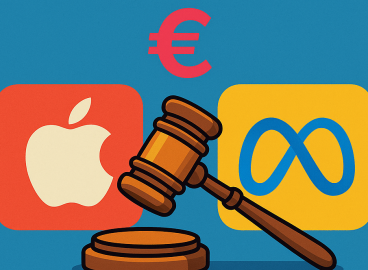
Is Big Tech in trouble? The EU fined Apple and Meta millions
Have you heard the most significant news for today? Your answer can't be no.
AI skills: A ticket to the future
Artificial Intelligence (AI) is undeniably not just a buzzword. It is everywhere; it is reshaping industries, creating new career paths, and transforming the way we live and work. For young people keeping in touch with such a huge technological advancement should not be just an option but rather essential.
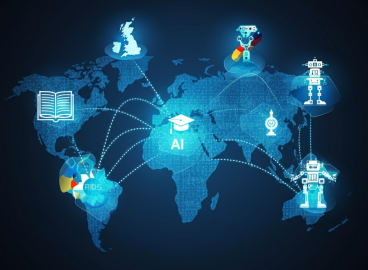
The AI Code of Conduct: A Tool for Trust or a Shield for Big Tech?
So, this "AI Code" was supposed to be all about being open and honest with how AI is being made. But now, people in the know are getting worried. Is this just another set of rules that's gonna fall apart?