- Celebrating diversity
- Clima
- Connecting the dots
- Current affairs
- Diversity and inclusion
- General
- Technology
- Youth
A Policy Brief: Youth Voices for the Future of Europe
PulseZ gave young people across Europe the space to speak on key issues — from skills and jobs to AI, democracy, mental health, and climate. This paper captures what we learned from youth voices and why it matters for Europe’s future.

Coping whilst terrified of politics – How to Cope Ep.2
From genocide to the rise of fascism, it can feel like there is not much to hope for in today’s political climate, and that there isn’t all that much we can do about it either. This episode speaks to Dr. Claire Yorke, a politics and international relations scholar and author of ‘Empathy in Politics and Leadership: The Key to Transforming our World’. Claire has spent her career focused on one question; “why isn’t politics more empathetic?” and the answer, it turns out, might be closer to home than many of us think.

Coping when the news is too much – How to Cope ep.4
Reema Dandachi is a young journalist studying at Aarhus University who is passionate about the good journalism can have in the world. Reema explains what went wrong with journalism on the internet, and how we can stay sane amid attention grabbing clickbait content around every corner.
What we learned – How to Cope ep.5
This episode concludes the series by delving into some of the pearls of wisdom that the guests have provided over the episodes, all in the pursuit of finding out how we cope.
Growing Up Online: The Price of Constant Visibility
For teenagers navigating identity in the digital age, the question is no longer simply “Who am I?” It is increasingly: “Who am I when the world is watching?”
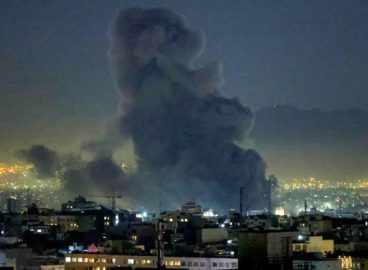
USA’s and Israel’s war on Iran is backfiring and here is why Greece should stay out of this
The goal is clear: Regime change in Iran that will complete USA’s domination in the post 9/11 Middle East and an end to the threat felt by Israel to expand its influence in a collapsing and chaotic Middle East. However the newly launched war on Iran is not going according to plan.
Next steps after the protest: Bulgaria’s next attempt of elections
Five months after one of the largest Gen Z-led protests, Bulgaria is heading into yet another election — the eighth in just a few years. On paper, it looks like the same cycle repeating itself. But underneath, something has shifted. This article looks at what actually changed after the protests, why the system keeps reproducing the same outcomes, and whether this vote is just another reset — or the first real chance to break the pattern.