Decolonising Language: How Words Shape Power, Identity, and Freedom
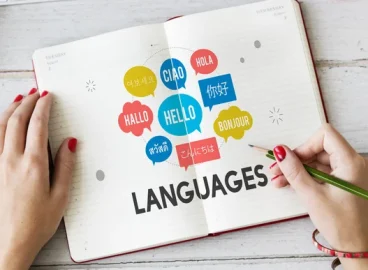
Language is never neutral. Everyday terms like “Middle East,” “Third World,” and “ethnic” still echo colonial perspectives that place Europe at the centre and cast other cultures as the “other.” Decolonising language means recognising these hidden power structures and rethinking the words that shape how we see the world.
The Maltese Language: A Rich Tapestry
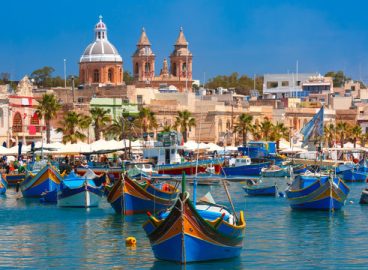
Maltese is a unique hybrid language and the only Semitic language in the European Union, rooted in Siculo-Arabic and enriched by Italian and English influences. It preserves Semitic structures such as the root-and-pattern system while adapting vocabulary from European languages. Texts like Il-Kantilena highlight how Maltese connects Malta’s Semitic past with its European cultural identity.
Susanne Siegert: Understanding the Holocaust Matters More Than Just Knowing Facts
Knowledge of the Holocaust is important, but it does not protect against antisemitism, says Susanne Siegert, journalist and TikToker specialising in Holocaust.
How can we fall in love with Europe again?
European culture - music, art, food, stories, and traditions form the true heart and soul of united Europe, connecting people across borders in ways that politics, markets, and institutions never can.
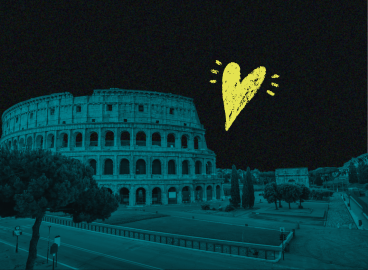
Super Bowl – Just a show or road to peace?
The Super Bowl has become an eventful night not only for the American sports-loving community but for people all around the globe. While it is meant to be an exciting...
“Sing for Greece”: Greece chooses its next representative for Eurovision 2026
ERT will once again select the Greek entry through a national final. However, this year’s Greek national final is nothing like the previous ones; on the contrary, it will be the biggest, most diverse and most exciting Greek national final ever.
The Skills We Take for Granted: What Didn’t Exist 20 Years Ago
Twenty years ago, the world looked remarkably different. The iPhone hadn't been invented yet, social media was in its infancy, and many of the skills we use daily didn't even exist. Let's explore the abilities that have become second nature to us but would have seemed like science fiction in 2005.
What is it like to work at a unique club for young people in Spiš?
In the small town of Spišská Belá in eastern Slovakia, a unique club has been operating for 15 years, where mainly young people spend their free time. Its coordinator - 21-year-old Jakub Varga - told us what working in this club is like.