



What Are Third Places?
The term “Third Place” was coined by sociologist Ray Oldenburg in 1989. A Third Place exists outside the confines of the first place, home, and the second place, work. These spaces create communal, public arenas where people can meet, exchange ideas, network, relax, and enjoy their free time without the obligation to spend money. Examples include town squares, bars, cafes, libraries, parks, and hair salons.
Oldenburg emphasized that Third Places should be accessible, affordable, spontaneous, and stress-free. They are spaces where conversation is the main activity, though games like chess or mahjong are common. They provide neutral ground, allowing anyone to enter without invitation, while familiar regulars create a sense of community. Importantly, these places are not tied to consumption: they encourage interaction rather than profit. As Oldenburg notes, “Third Places give us the space to be ourselves outside the binaries of home and work.”
Third Places are more than just locations—they are social ecosystems. They nurture human connections, allow the exchange of perspectives, and help foster a sense of belonging and shared identity, as sociologists Zoe Krueger Weisel and Mila Miletić argue.
A Historical Perspective: Coffee Houses as Third Places
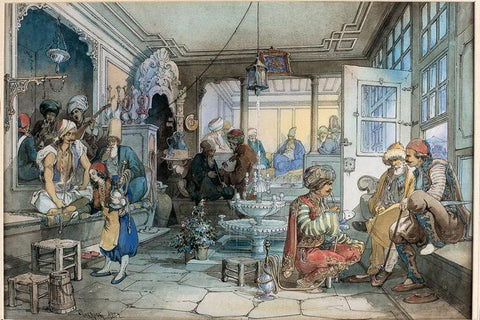
The modern concept of Third Places has deep historical roots in coffee houses, which began in the Middle East and reached England in the 17th century. Initially, coffee houses were seen as a novelty, but they quickly became arenas for political, philosophical, and social discourse.
In 1650, an entrepreneur known only as Jacob opened the first coffeehouse in Oxford, followed by others in Cambridge and London. The coffee house and its offered a democratic space where people of different social classes could gather, exchange ideas, and access the latest publications. As historian Samuel Pepys wrote in December 1660:
“[Coll. Slingsby] and I in the evening to the Coffee-house in Cornhill, the first time that ever I was there. And I find much pleasure in it through the diversity of company – and discourse.”
Coffee houses contrasted with the drunken inns and taverns of the era, providing a place where coffee spurred the intellect, while alcohol fueled emotions and music. Some English coffee houses came to be known as “penny universities”, where a penny bought a cup of coffee and access to intellectual debate.
The popularity of coffee houses was so profound that when King Charles II attempted to suppress them in 1675, public outcry forced him to retract the edict just ten days later. Coffee houses were seen as vital spaces of free speech and social equality, precursors to democratic practices in England. Even centuries ago, authorities recognized their power to unite communities and foster dialogue—a lesson that resonates today.
Source: https://batwcoffee.com/blogs/news/how-coffee-houses-brought-people-together-changed-peoples-minds-and-inspired-revolutions?srsltid=AfmBOopVQnOvQ-vV7U2Qa88hksHiBqOGRRX5y7tN7TwdnO4_fEzh3iLa
Modern Third Places and Corporate Challenges
In contemporary society, Third Places face a new challenge: commercialization. Chains like Starbucks market themselves as Third Places, but when guided by capitalist strategies, they may no longer meet Oldenburg’s criteria. These spaces often prioritize consumption, product promotion, and corporate branding over inclusive social interaction.
Authentic Third Places must remain non-commercial, inclusive, and accessible to all, fostering social cohesion without profit motives. Examples of such spaces today include the Street Gallery in Belgrade, public libraries, and non-profit parks. These areas maintain the spirit of Third Places, where people interact freely, exchange ideas, and build community.
As the authors Krueger Weisel and Miletić write,
“When Starbucks claims to be a Third Place between home and work, while simultaneously weaving its narrative around a product, relationships, and a sense of belonging, the question is not only for whom it is inclusive and accessible. The question is also how to reclaim the notion of the Third Place to meet the tremendous human need for community spaces, which allow people to interact without consumption.”
Third Places and Youth Development
Research shows that Third Places, including after-school programs and extracurricular activities, play a critical role in youth development. Students benefit academically, socially, and emotionally from engaging in these spaces.
Stepping outside the classroom can make a bigger difference than many people realise. Spaces like clubs, sports teams, and youth groups, often called “third places”—are quietly shaping how students grow, both academically and personally.
Research shows that students who spend time in these environments tend to feel more confident and motivated. They’re also more likely to stay in school, achieve better grades, and keep up with their work. In fact, regular participation has been linked to a noticeable drop in school dropout rates and a higher chance of going on to college.
But the impact goes far beyond report cards. These spaces help young people develop essential life skills, things like teamwork, leadership, and managing emotions. By interacting with peers and mentors in a more relaxed setting, students learn how to resolve conflicts, make responsible decisions, and build meaningful relationships. Over time, this leads to stronger emotional well-being and healthier social lives.
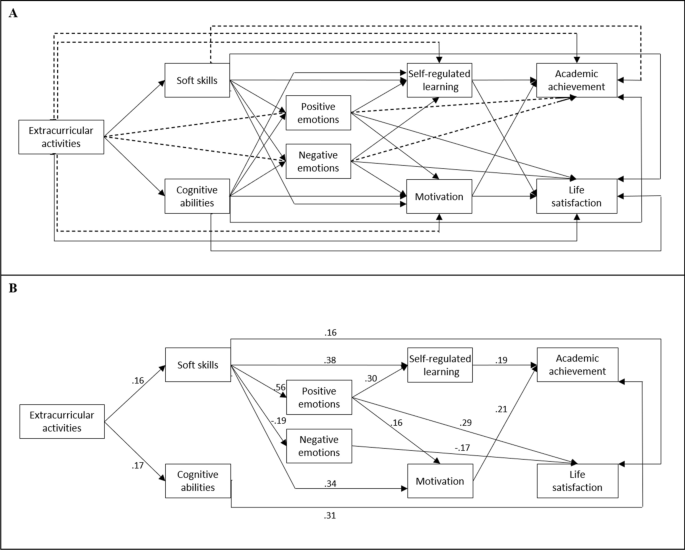
Extracurricular activities don’t boost academic success directly. Instead, they lead to subtle improvements. They build motivation, discipline, and independence, the kind of qualities that help students stay focused and perform better in school. At the same time, they contribute to something just as important: overall happiness and life satisfaction.
In essence, third places are more than just a way to pass the time after school. They are powerful environments where young people develop the confidence, skills, and mindset they need, not only to succeed in education, but to navigate life beyond it.
The diagram shows that extracurricular activities, often described as “third spaces” outside home and school, play a crucial role in youth development by influencing not only skills but also emotions and long-term outcomes. Overall, the diagram highlights that third spaces are essential because they support holistic development, helping youths grow emotionally, socially, and intellectually.
Source: https://link.springer.com/article/10.1007/s10212-022-00601-4
My Personal Experience
I may not have known it at the time, but participating in debates and 6th form extracurriculars set me up for success. These experiences taught me how to fail and try again, step out of my comfort zone, and make space for opposing opinions. They also helped me handle responsibility, manage my time efficiently, and improve my socializing skills. Being in these third spaces allowed me to learn how to interact with peers and mentors, develop confidence, and face challenges in a safe environment—lessons that have proven invaluable in both academic and personal growth.
Third Places as Pillars of Society
Authentic Third Places are essential to a healthy society. They strengthen social connections, foster dialogue, and create a sense of shared identity. These spaces break down the binary between home and work, giving individuals the freedom to be themselves, experiment socially, and engage in meaningful discussions.
In European countries, creating and maintaining third spaces for youth is essential for fostering democratic engagement and providing young people with a platform to voice their opinions. These spaces should not be seen as a luxury but as a vital component of civic and social development. Places such as libraries, community centers, youth clubs, cultural spaces, and public parks offer safe, inclusive environments for discussion, collaboration, and socialization. By providing these options, teenagers gain alternatives to risky behaviors such as substance abuse or underage drinking. Instead of retreating into harmful coping mechanisms, young people can build community, form friendships, practice dialogue, and develop the skills needed to participate meaningfully in society. Prioritizing these spaces ensures that youth have both the freedom and the guidance to engage with the world around them constructively.
However, not all spaces outside home and work qualify as Third Places. Recognizing the actors and motives behind these spaces is crucial. Only those that prioritize community over profit, and accessibility over exclusivity, can truly serve as Third Places.
As society faces the challenges of digitalization, remote work, and social fragmentation, preserving authentic Third Places is more important than ever. These spaces remind us that community depends on simple interactions, whether at a coffee house, a library, or a park. They are the quiet pillars of democracy, social cohesion, and human connection.
Source of featured image: https://www.gettyimages.dk/photos/hobbies