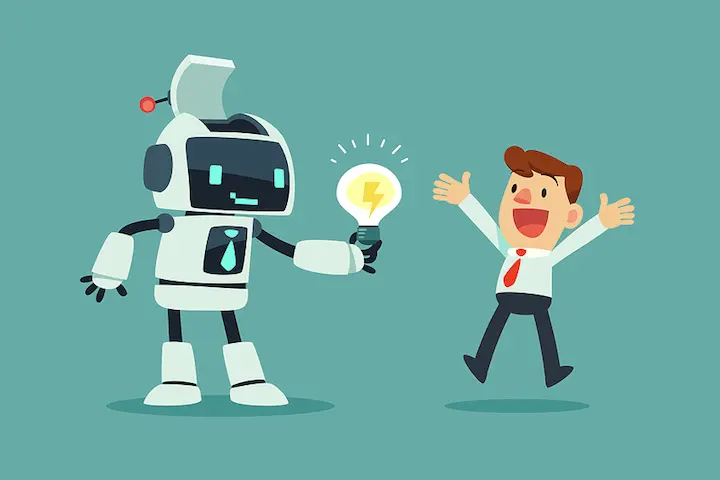
The Rise of AI as a Practice Space
Public speaking apps powered by AI now analyze pacing, filler words, confidence, and eye contact. Language models simulate interviewers and ask follow-up questions. Grammar tools built directly into smartphone keyboards don’t just correct mistakes, they suggest how you should sound. Calm. Clear. Professional.
What makes this moment different is how normalized it has become. These tools are no longer niche experiments. They are default features, pre-installed assistants, or top-ranked apps used casually between classes or late at night before a presentation.
In effect, AI has become a private rehearsal room, one where mistakes are invisible, retries are unlimited, and judgment doesn’t exist.
Why Students Are Turning to Algorithms Instead of People
Practicing with other humans is uncomfortable. You feel exposed. You worry about sounding awkward or unprepared. AI removes that friction completely.
You can rehearse the same sentence ten times without embarrassment. You can test different tones – confident, friendly, assertive and immediately see which one “works better.” You can prepare for situations you don’t feel ready to face yet.
For many students, especially those navigating a second language, social anxiety, or high-pressure environments, this feels empowering. AI offers structure where uncertainty exists.
But it also introduces a new question: what exactly are we practicing for?
From Learning Skills to Learning Performance
Most AI rehearsal tools don’t evaluate meaning, they evaluate delivery. They reward clarity, smoothness, and certainty. Over time, this trains users toward a specific style of communication: polished, efficient, emotionally neutral.
That’s not inherently bad. These are often useful skills. But real-life conversations are rarely optimized. They involve hesitation, misunderstanding, emotional friction, and unpredictability – things AI simulations don’t fully reproduce.
When students rehearse mainly with algorithms, there’s a risk that communication becomes more about sounding right than being understood. Practice shifts from exploration to optimization.
When Rehearsal Starts Replacing Experience
The most interesting change isn’t that students use AI, it’s when they stop moving beyond it.
If every difficult conversation is rehearsed until it feels safe, when does discomfort happen? If confidence is built in private simulations, how does it hold up in public uncertainty?
AI can reduce fear. But fear also teaches adaptation. Without exposure to unpredictability, rehearsal risks becoming a substitute for experience rather than preparation for it.
A Tool, Not a Script
None of this means students should stop using AI practice tools. In many cases, they are genuinely helpful, especially when access to mentorship, feedback, or safe environments is limited.
The challenge is learning when to step out of rehearsal mode.
AI works best as training wheels, not as a script for real life. Practicing with algorithms can build confidence, but confidence only becomes real when tested in imperfect, human situations.