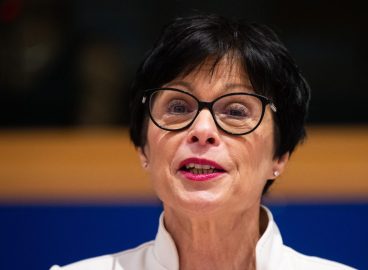
Human Trafficking in Europe – Between Rhetoric and Effective Enforcement
Faced with a rising number of victims and increasingly complex forms of human trafficking, EU institutions are stepping up cooperation. A recent meeting of prosecutors at Eurojust aimed to show that tackling this crime remains a top priority.
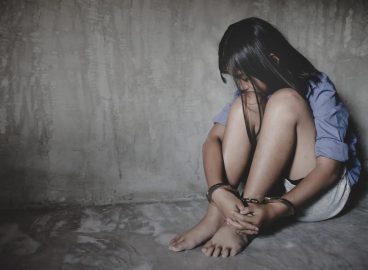
“Tusk’s Colleague” caught in corruption scandal
Former EU foreign policy chief and current College of Europe rector Federica Mogherini has been arrested in Belgium over alleged misuse of EU funds and corruption linked to the diplomatic academy she leads.
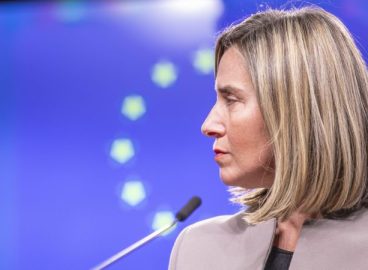
“Local politics isn’t a spectator sport for young people,” says 28-year-old elected official
At 28, Carlos Paiva Raposo serves as an elected councillor on the Cascais Municipal Assembly, viewing local politics as democracy's training ground. Amid youth disillusionment across Europe, he insists institutions must become far more accessible to regain their trust.
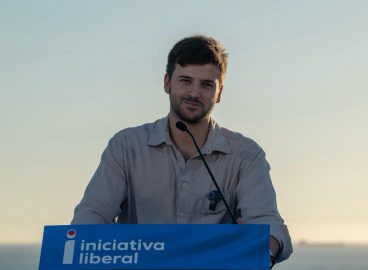
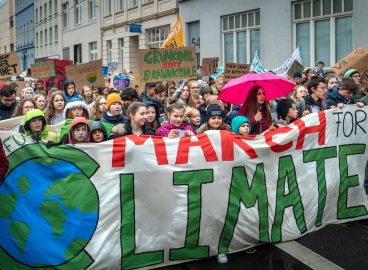
Non è mica la fine del mondo: A Joyful Holiday Dystopian Alien Tour of the End of Life on Earth
Aliens? Climate change? "Non è mica la fine del mondo" is an Italian graphic novel that features both, creating an impactful experience that speaks out about relevant issues we're still battling today, in a fun, lighthearted way.
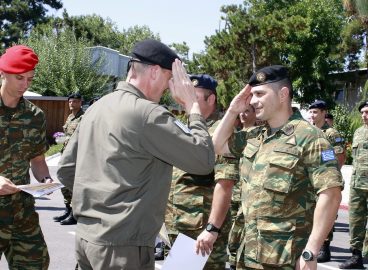
Conscription in Greece: Compulsory on paper, voluntary in reality but not for long
Despite being one of the few NATO members whose defense spending exceeds the Alliance’s target of 2% of GDP—reaching 3.1%—and despite never suspending compulsory military service amid tensions with neighboring Turkey, Greece’s armed forces still struggle to attract Gen Z.
What Italians and Europeans Really Want from the EU: A New Survey Explains
A European Union that is more united and more protective of its citizens, but also attentive to respect for democratic principles. This is the Europe European citizens would like.
The European Union funded Paragon: “Public funds for a company that spies on citizens”
In 2020, the European Investment Fund (EIF) financed Paragon Solutions, the Israeli company accused of spying on journalists and activists. The case raises questions about the transparency, oversight, and accountability of EU institutions.

EU enlargement: where do candidate countries stand?
The European Commission has released its annual enlargement package, assessing the progress made by EU candidate countries over the past year. Which states are steadily moving closer to the Union — and which are drifting further away?