The EU Migration & Asylum Pact 2026
The EU Migration and Asylum Pact, taking effect on 12 June 2026, seeks to standardize asylum rules across Europe through unified procedures, shared responsibility, and minimum living standards. As someone who fled Syria in 2013, I know the impact that safety and opportunity can have, access to education and programmes like the JA Company Programme allowed me to grow in ways that would have been impossible without protection.

MERCOSUR – A step ahead or a lamentable turn of events?
As the EU celebrates one of its biggest successes in trade policy, concerns are rising across Europe. Will the MERCOSUR deal be an enemy or a foe to EU citizens?

Poles Like Germans Less and Less: Poland–Germany Barometer 2025 [INTERVIEW]
The 2025 Poland–Germany Barometer reveals a sharp decline in Polish sympathy for Germans, contrasting with historically positive German views of Poles, influenced by social media, political polarization, and direct personal experiences.
![Poles Like Germans Less and Less: Poland–Germany Barometer 2025 [INTERVIEW]](https://www.pulse-z.eu/wp-content/uploads/2025/12/64838139_2768098793218016_8697313464504287232_n-800x450-1-368x270.jpg)
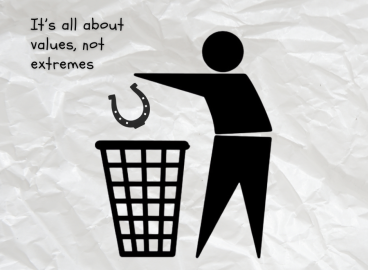
The Czech Republic bans communism: a politics of memory at work
With one signature, Czech President Petr Pavel outlawed communism, equating it with Nazi propaganda. Framed as justice, the ban turns memory into a battlefield and enforces a Cold War logic that narrows democracy into a struggle of extremes.
PEJ – Committee on the Environment, Climate and Food Security – ENVI II
This overview will show you how fashion has shifted the industry from an approach focused on the artistry of garments to a fast-paced, harmful cycle built on overproduction, pollution, and exploitation. It will outline the environmental and social costs of our clothing, the EU's efforts to create a sustainable future for fashion, and the role young consumers play in driving change.
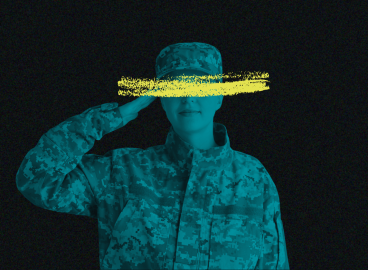
Croatia’s Compulsory Military Service 2026 Begins: A Generation Reports for Duty
Croatia's compulsory military service is no longer a debate—it's reality. As the first 2026 recruits enter barracks this January, a generation confronts the core test of this policy: strengthening national security without sacrificing its own future.
Why Misinformation is a Youth Issue, Not Just a Media Problem
If Social media and AI algorithms feels more real than the news, young people become the first targets of misinformation.

Voting, but not really heard
Civic education tells us how institutions look on paper, not how to influence them. And in a political culture that feels loud, tribal, and overwhelming, many young people enter their first election already feeling like outsiders.