Al and the Future of Work: Replacement or Reinvention
Artificial intelligence is often imagined as a thinking machine, but in reality it is far closer to a powerful pattern-recognition tool trained on vast amounts of data. While many fear that AI will replace human work entirely, history suggests that new technologies usually transform jobs rather than eliminate them. Machines may excel at speed and analysis, yet qualities such as empathy, moral judgment, and lived experience remain uniquely human. The real challenge, therefore, is not whether AI will shape our future, but how we choose to use it.

Next steps after the protest: Bulgaria’s next attempt of elections
Five months after one of the largest Gen Z-led protests, Bulgaria is heading into yet another election — the eighth in just a few years. On paper, it looks like the same cycle repeating itself. But underneath, something has shifted. This article looks at what actually changed after the protests, why the system keeps reproducing the same outcomes, and whether this vote is just another reset — or the first real chance to break the pattern.

Anemoia: nostalgia for the past or a cry for help?
Recently, it has become a common trend for teenagers to reminisce about how great it would be to live in a different time period. What has caused this feeling, and why? Might it be that the more times change, the more we wish to return to the past?

Working for free: how Malta’s internship system is failing young people
Somewhere between finishing your degree and landing your first real job, there is a stretch of time that nobody really prepares you for. You apply for internships, you get one,...
Representation vs Reputation
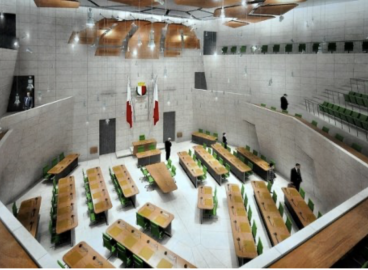
In a world of infinite choice, why is Malta’s democracy still a 'steak or fish' dinner party? It’s time to upgrade the two-party system for a 2026 reality.
Thessaloniki: Stress and bullying caused a 57-year-old English teacher to have a stroke and die
The death of 57-year-old teacher Sofia Christidou has shocked the whole country. She was a woman with many academic achievements and skills, but her life was cut short by stress and bullying from students and colleagues.

How recycling Fashion Trends can cause a Spike in the Rate of Eating Disorders
From the resurgence of Miu Miu skinnies to the "Pilates Princess" aesthetic, the fashion cycle has officially returned to the ultra-thin silhouettes of the late 90s and early 2000s. However, this 2026 revival carries a new, more insidious edge. While the original "Heroin Chic" era was overtly gritty, today’s obsession with thinness is often "repackaged" as holistic health—disguised by protein-loading, gut-cleansing, and the controversial rise of Ozempic.
We Can’t All Be CEOs
With the European Commission proposing a new EU-wide framework to make it easier to start companies, entrepreneurship is becoming not just a trend, but a policy direction. Yet as more young people turn toward self-employment and startup culture, an important question emerges: what happens to the jobs that keep society functioning?