Malta Pays Drivers €25,000 to Quit — But the Traffic Keeps Coming
Malta’s latest transport policy offers €25,000 to drivers who surrender their licence, but many argue the scheme risks becoming an expensive distraction from the island’s deeper traffic crisis.

Noma Island Controversy Deepens as Political Links and Permit Questions Emerge
Public concern grows over the Noma Island floating platform, with mayors, NGOs, and residents citing environmental risks and overcrowding. A petition demands transparency and safeguards. Momentum leader Arnold Cassola highlights potential political links, fueling fears of lobbying and weak regulation. The project has become a test of Malta’s governance and public trust.
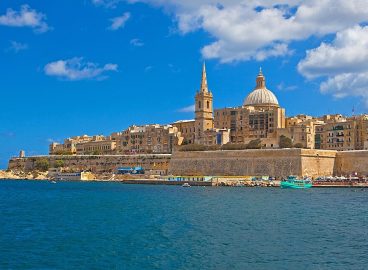
Can Young People Still Afford to Live in Malta?
For young Maltese, homeownership is slipping away. Apartment prices soared 10% last year, leaving minimum-wage couples able to afford just 2% of listings. Many rely on family support, while apartments shrink and costs rise. Government schemes help some, but independence is a struggle. Across the EU, rising prices and lagging supply echo Malta’s crisis, reminding young buyers that a home is more than walls—it’s security, stability, and hope.

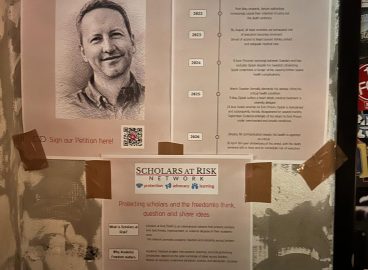
How do students advocate for academic rights? An in-site journey within the European Student Advocacy Day
Thanks to the support of my thesis supervisor, I was able to attend the European Student Advocacy Days at MCI — The Entrepreneurial School in Innsbruck, Austria, for a second time, on 19 and 20 February. This time, I participated as a postgraduate student and as an alumnus of the BA course Academic Freedom: A European and International Perspective, promoted by the University of Trento, the Jean Monnet Research Centre, and the European Society of Academic Freedom.
From Resignation to Renewal: How the Next EU Budget Can Secure the Future of Family Farming
Food is fundamental. It is a basic human right, one that has shaped wars, triggered unrest, and fuelled conflict. It is also a powerful political force and a matter deeply intertwined with security; food supply control is a well-known war tactic.

How anxiety affects Gen Z in Europe and what socioligsts suggest (written by a Gen Zer)
According to many reports, Generation Z is more stressed, unhappy and worried than the previous one. The reasons behind this phenomenon are more than an accident. They are entrenched with political, historical, climatic, social and cultural factors. In this article we go deep into each of these issues, trying to understand what Gen Z is experiencing and why.

What is the European Union stand on war in Iran? And why it is still unclear
The war in Iran has highlighted a long-standing issue for the European Union: the capacity to take one single and common stand amid global challenges. In this article we describe the position of the main European countries on war in Iran and their analogies, their differences and their contradictions, in order to answer a fundamental question: why is the European Union still so divided?
Is pineapple acceptable on pizza?
Hear me out on the most controversial pizza topping in history.