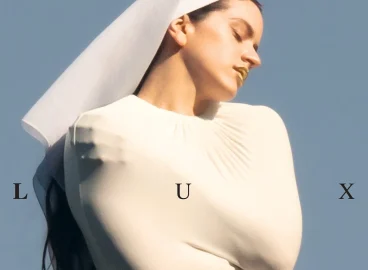
LUX, an hymn to feminine, faith and creation
In LUX, Rosalía turns inward, blending the sacred and the human in a daring exploration of spirituality and femininity. Across fourteen languages and stories of saints, poets, and mystics, the Catalan artist transforms vulnerability into transcendence.
Generations: Why do we care about them?
What is a generation and why is there such a thing? What are the different generations?

Threats Instead of Negotiations: The American Offensive Against the EU’s Climate Policy
A new tension in transatlantic relations has surfaced where it was least expected — in technical talks about the future of shipping. Reports from negotiations in London reveal how climate policy has become a battlefield in the struggle for global power.

Fewer Road Deaths, but the EU’s Vision Still Far Away
In 2024, road accidents claimed 19,940 lives across the European Union—a 2% drop compared to the previous year.
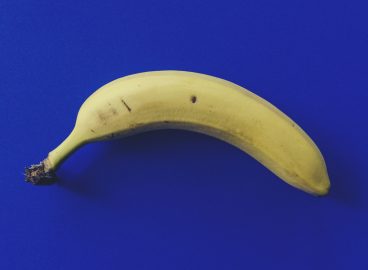
From bent bananas to banned cars: why EU hoaxes still go viral among people
From “bendy bananas” to “banned cars,” myths about the European Union keep circulating online. These so-called euromyths take complex regulations and reframe them into simple, funny, and emotional stories about “bans.”
Hungary Says: Never. Orbán Blocks Ukraine’s Path to the EU
The dispute between Viktor Orbán and Volodymyr Zelensky is more than just a diplomatic exchange of words. It reflects Europe’s growing war fatigue and raises questions about the limits of solidarity with Ukraine.

How Russian Disinformation Creates an Alternative History of the War
In the Russian information space, truth has long been lost to well-constructed fiction designed to absolve the aggressor and blame its victims. When these narratives spill over into global social media, they blur the boundary between history and propaganda.

All truth passes through three stages
Starting with the myth of the cave, Plato distinguishes the problem of reality and falsehood. When he asks Glaucon if he would share his accumulated knowledge with other people, he replies that he would not, because they would laugh at him or even kill him. Since observations are the same from Antiquity to Modern Times and continue in the present day, then the truth reveals a part of human nature, and it really does go through three phases.