


Threats Instead of Negotiations: The American Offensive Against the EU’s Climate Policy
A new tension in transatlantic relations has surfaced where it was least expected — in technical talks about the future of shipping. Reports from negotiations in London reveal how climate policy has become a battlefield in the struggle for global power.
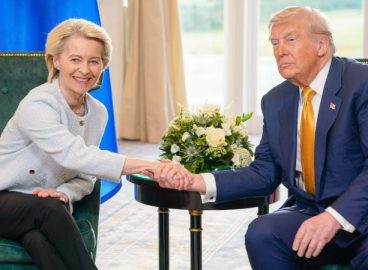
Europe’s €930 Billion Bill: The Cost of Fossil Fuel Dependence
Between 2021 and 2024, Europeans paid an additional €930 billion for fossil fuel imports. This massive surge was driven by extreme price spikes after the COVID-19 pandemic and Russia’s invasion of Ukraine.

Fewer Road Deaths, but the EU’s Vision Still Far Away
In 2024, road accidents claimed 19,940 lives across the European Union—a 2% drop compared to the previous year.

From bent bananas to banned cars: why EU hoaxes still go viral among people
From “bendy bananas” to “banned cars,” myths about the European Union keep circulating online. These so-called euromyths take complex regulations and reframe them into simple, funny, and emotional stories about “bans.”

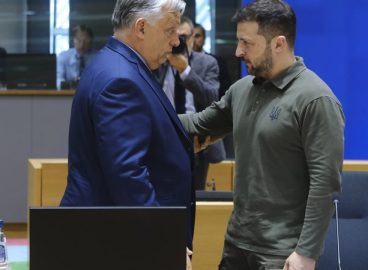
Hungary Says: Never. Orbán Blocks Ukraine’s Path to the EU
The dispute between Viktor Orbán and Volodymyr Zelensky is more than just a diplomatic exchange of words. It reflects Europe’s growing war fatigue and raises questions about the limits of solidarity with Ukraine.
Love at first swipe: How technology is changing our relationships
Tinder, Bumble, and Badoo are apps that once promised to revolutionize love and dating. But today they are also shaping the way young people think about intimacy, relationships, and commitment. Swiping has become a common part of dating, but it also raises the question: what happens when romance turns into an algorithm?

How Russian Disinformation Creates an Alternative History of the War
In the Russian information space, truth has long been lost to well-constructed fiction designed to absolve the aggressor and blame its victims. When these narratives spill over into global social media, they blur the boundary between history and propaganda.
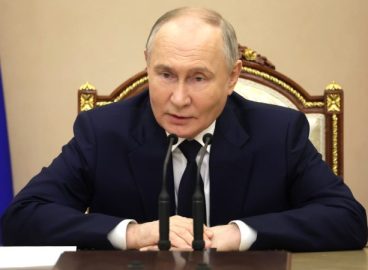
Europe Bans Political Ads, but Not Propaganda: Politics Goes Underground
A regulation designed to make election campaigns more transparent has ended up reshaping the entire social media advertising market. Major tech platforms are pulling out of political advertising across the EU, forcing parties, civic organisations and media outlets to rapidly rebuild their communication strategies.
