Standard of living in the EU – a gift or a curse?
Nowadays Europe is not torn apart by conflicts, rather it unites itself through disagreements being procedural in the forms of democracy. Europe does not look like the power horse it once has been but it definitely brings better stability amongst the member states.
Europe’s Green Gold? The Role of Algae in the EU’s Sustainable Future
A new study by the European Commission suggests that algae’s potential goes far beyond exotic cuisine. These tiny aquatic organisms could play a key role in cleaning water, producing feed and fertilizers, and even capturing carbon dioxide — making them one of Europe’s most promising allies in the fight for a greener future.

Voices of Migrants in European Transport
Migrants form a significant part of European societies. Transport, acting as the lifeblood of modern cities and regions, is becoming a test of whether the EU truly sees diversity as a strength rather than just a slogan.

The Cover Letter in the Digital Age: Strength or Relic?
Even as digital recruitment tools continue to grow in importance, the cover letter remains one of the few spaces where a candidate can still speak personally. In a world of mass competition and automated hiring, it may be more relevant than ever - read Michalina's insights into hiring process of the modern age.

TFN stories – DAY Intern fest
Besides supporting our own community, we also try to bring the NGO sector together for mutual support and sharing good practices. With the DAY Intern Fest, we shot two rabbits with one gun.
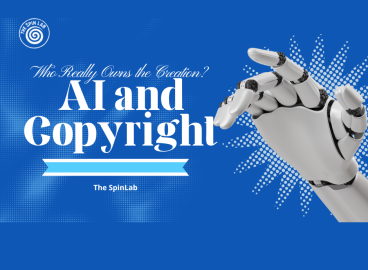
AI and copyright: who really owns the creation?
Have you ever asked an artificial intelligence to write a song? People often use this method to explore new ideas or test the system while assessing how effectively machines can replicate human creative abilities. But once you obtain the result, a spontaneous question arises: who holds the rights? You, the AI, or no one?
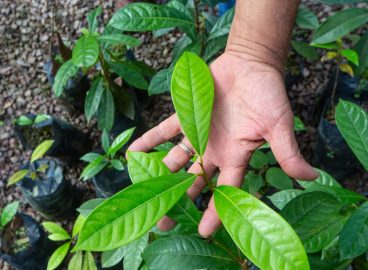
The many faces of the bioeconomy
The bioeconomy is one of the fastest-growing and most promising sectors in the European Union, worth over €2.4 trillion.
Austria’s privacy watchdog vs. YouTube: a battle over your data
Access to your personal data is one of the core rights guaranteed by the EU’s GDPR. But the ongoing dispute between Austria’s data protection authority and YouTube shows just how wide the gap can be between theory and practice.