AI “italian brainrot”
And all of this, as so much does these days, begins on the internet.
In 2024-2025, the phenomenon of “Italian brainrot” erupted across platforms such as Instagram and TikTok: a visual movement deriving from the blend between irony and semiautomatic art.Videos and images grew ever more surreal — distorted animals, made-up characters with hybrid English-Italian names — colonizing feeds as a generational language.
What was most fascinating was that many of the prominent developers of the phenomenon were Italian.
From Milan to Naples, the youth began using AI generative tools to design entire fictitious realms: non-existent animals with names like Tralalero Tralala,Cappuccino Assassino or Ballerina Cappuccina.
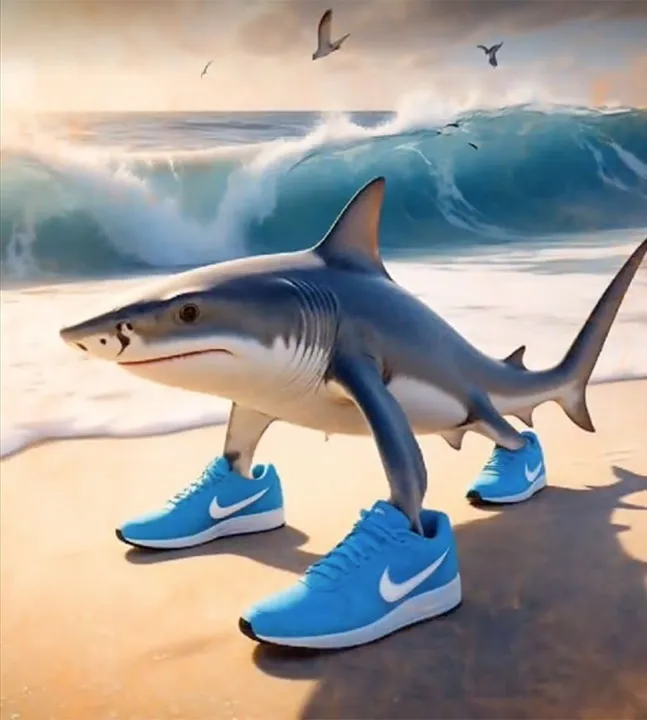
Tralalero Tralala
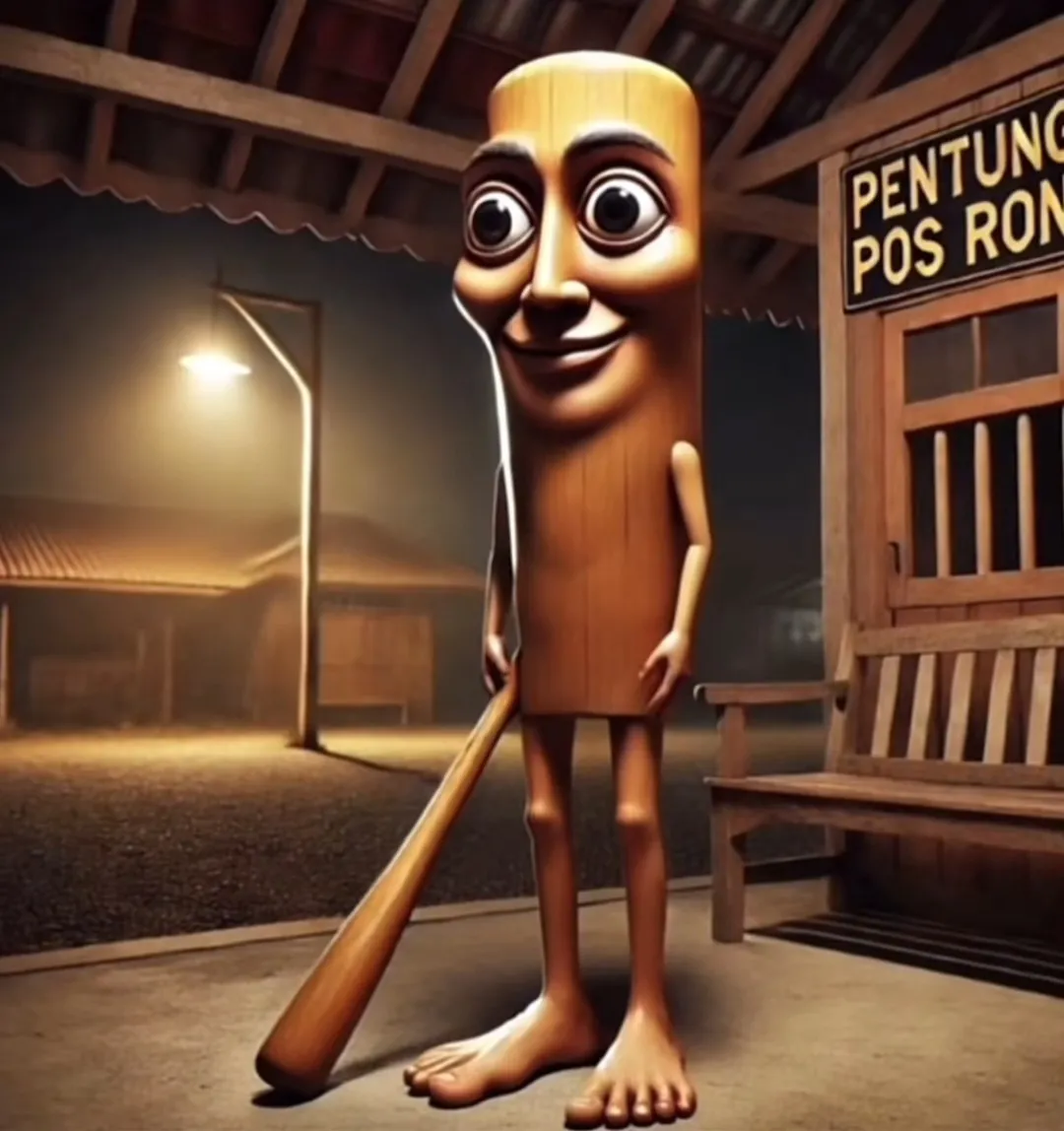
Tung Tung Sahur
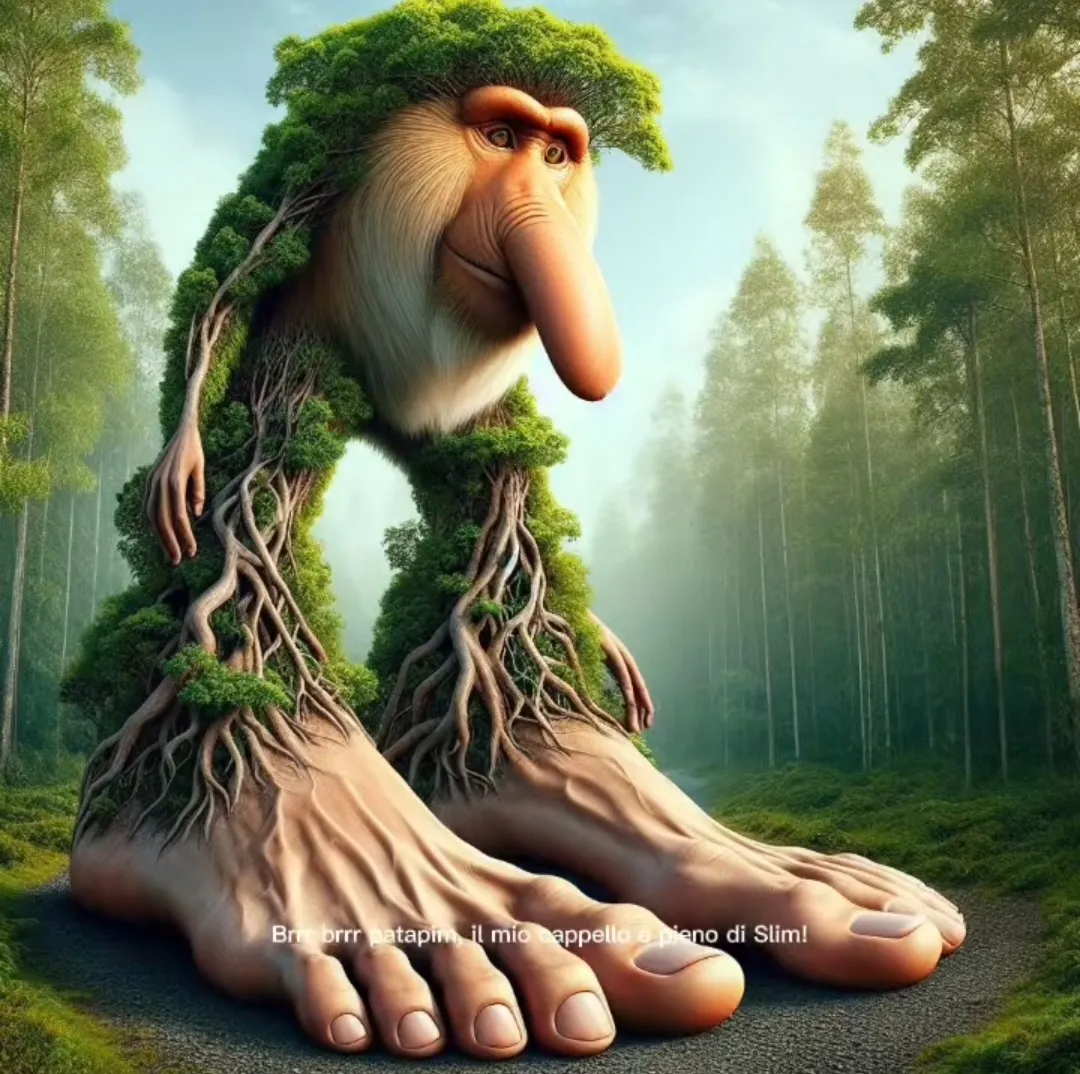
Brr Brr Patapim
And yet, in its hall-of-mirrors way, the brainrot aesthetic came back to where it started, the material world.
After noticing the phenomenon going viral, Panini saw opportunity to reinvent itself in an era where businesses need a digital equivalent and turn this brainrot into something new: the Brain Root Cards.
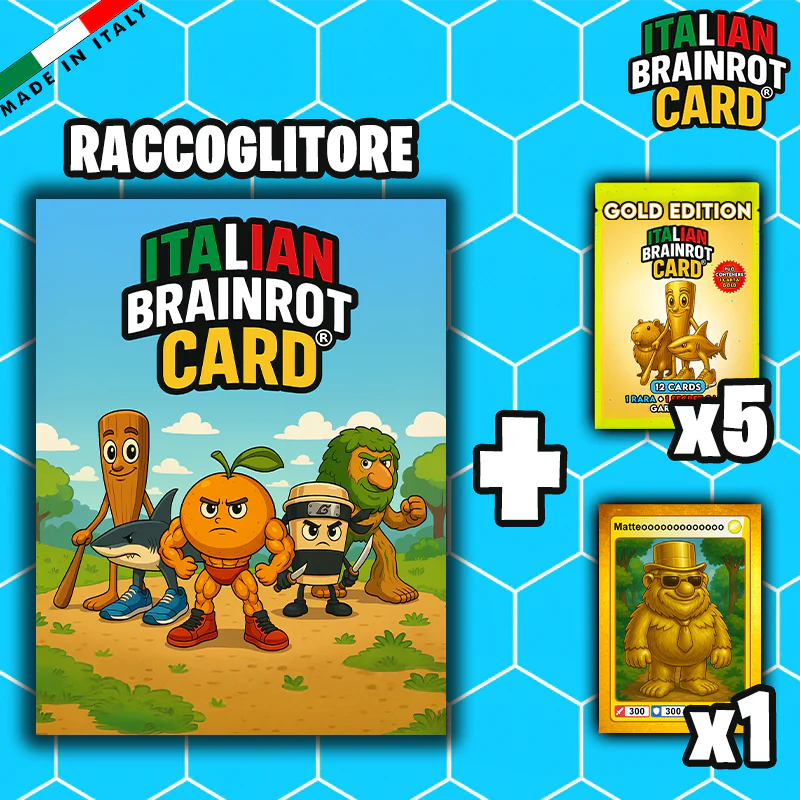
One of the “Brainrot card” products
It was a cunning, almost allegorical marketing stroke — the company that had for decades gathered reality now determined to gather fake imagination.
That’s where the Brain Root Cards came from, as images created by an AI endowed with artificial intelligence and influenced by the visual universe springing from this web: crooked forms, stupid awards, digital brushes that evoke a gramophone.
But there is no copyright to be found, unlike with regular stickers.
Legally, no one owns images created by algorithms, and that opened up a whole new kind of enterprise: building and selling endless editions with none of the restrictions of authors’ rights…
For Panini, it was an economic masterstroke: no artist to pay, next to no production costs and a young audience with disposable cash who would snap the books up out of nostalgia or curiosity.
Yet behind this commercial mediatic success hides a profound contradiction: while once the factory that represented the authenticity and visual memory of Italy, today it risks being perceived not only as its opposite, an emblem for vacuous handiwork consumed en masse as are any fads.
The Brain Root project is perhaps the culmination — or collapse — of a direction that had already been underway in the world of collectible cards: the splitting between art and artist.
At one time there was a distinctive illustrator, style and visual identity behind every card. Today, with rare exception, images are created by anonymous algorithms who imitate and compose without comprehension. The result is fascinating, yes, but devoid of authorship.
But it wasn’t AI that made the problem begin.
I mean, look at a giant like Yu-Gi-Oh! where, to this day, not even the most famous cards in the world credit artists who drew them. All commercial rights are retained by Konami, which pays for each illustration directly and cuts that link between creator and creation.
In practice, the value is no longer in the art itself, but in the brand that possesses it.
AI has simply taken this logic to its endpoint, transforming creativity into a product that can be manufactured without end.
With Brain Root, this logic ceases to be logical:images are infinite and there is not a single one. They may be purchased, traded, hoarded — as imagery now; not as feelings.
The symbolic and emotional value that once tied Panini stickers to childhood memories, football fields or summer spent trading cards gives way to a rootless digital flow.
And maybe that’s the point: Collectible cards culture was born to celebrate memory, not to erase it.
What stops belonging to someone, when art does not belong to anyone any more.
And in that moment, even the shiniest card loses its highest value — human touch.