
Tell EU stories, develop your journalism skills, and make your voice heard!

More than eight months have passed since Romania witnessed a disaster in the heart of Harghita, in Praid, where since May of last year, states of alert seem to continue without stopping. The Praid Salt Mine was flooded after the flow of the Corund stream rose abruptly, and the press reported even then that all the water overflowed into one of the most important tourist attractions in the country. Shortly after this incident, both tourism and production activities at the salt mine were halted.

Consequently, Romania lost control, and authorities and organizations began to worry. We spoke with several representatives of civic organizations to find out how they managed the period when the Praid Salt Mine was flooded, what solutions they propose to fix the problem, and how to prevent possible incidents through awareness of climate change issues.

“Only 4% of Romanians consider climate change a national priority. Awareness of the impact on agriculture, water, economy, and health does not yet translate into a strong demand for climate action,” said Dragoș Tuță, President and Founder of the Sustainability Embassy in Romania. “In a democratic society, messages should be transmitted by citizens to political leaders through collaboration with civil society.”

Public policies are necessary to reduce climate risks, but involvement from everyone is also needed to protect vulnerable communities and contribute to the fight against climate change through initiatives accessible to the general public.
 

Source: Greenpeace

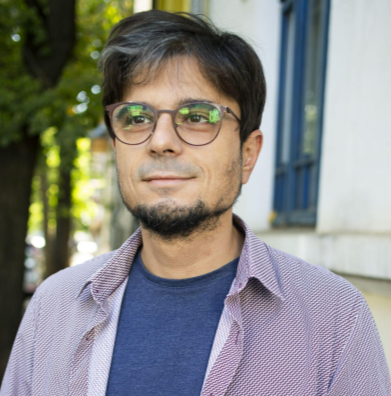
“A generation formed in this way understands how important it is for institutions to function correctly, for laws to be respected, and for the public interest to be protected. Only in this way can we truly respond to the climate crisis. We can do this by supporting NGOs fighting for a cleaner environment, joining civic initiatives or environmental movements, and demanding that politicians make decisions in the interest of the people, not big polluters,” emphasises Andrei Crăciun, Energy Communities Campaigner and promoter of energy democracy for Greenpeace Romania.

The starting point for everything is education and its role in shaping new generations that are more aware of current problems and more responsible toward the environment. Young people must be witnesses to what surrounds them so that, in adulthood, the history of climate problems does not repeat itself.


Source: Cătălin Pruteanu/UNICEF


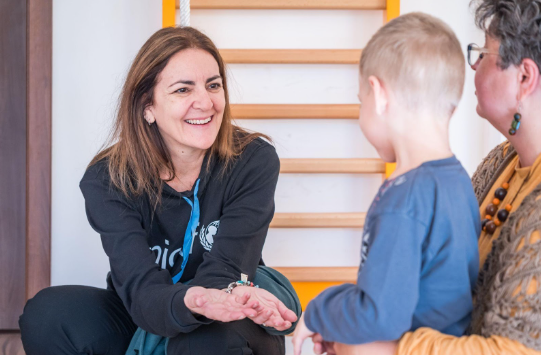
“Educating and sensitizing the public regarding climate change for local communities, as well as creating training and mentoring programs in the field of green skills for youth, are other measures that can produce results for children,” says Ana Riatti, UNICEF Romania.

To prevent such events from recurring, we should look back and try to realize where we have arrived and what we can do for a green future. From all disasters, we must learn a lesson not taught in school: the patience to truly discover environmental problems and to try to remedy them.

“There are areas already identified by authorities with high or medium flood risk, and those risks must be acknowledged; we should not build where we know there is a chance of a flash flood. These things are accessible—perhaps more communication is needed for the general public and for authorities—and authorities should be much more authoritative when it comes to the decision to build where such risks exist,” says Camelia Ionescu, WWF representative.

As Euronews journalists show, the Praid Salt Mine was formed more than 20 million years ago, becoming one of the largest deposits in Europe and one of the most important tourist objectives for Romania. According to Hotnews, 2024 also brought an increase in the number of visitors, with nearly 500,000 people visiting the Praid Salt Mine.

Shape the conversation

Do you have anything to add to this story? Any ideas for interviews or angles we should explore? Let us know if you’d like to write a follow-up, a counterpoint, or share a similar story.