Let Yourself Be Bored
Boredom, often seen as unproductive, is a powerful catalyst for creativity and strategic thinking. When external stimulation fades, the brain's default mode network activates, boosting idea generation and reflection.

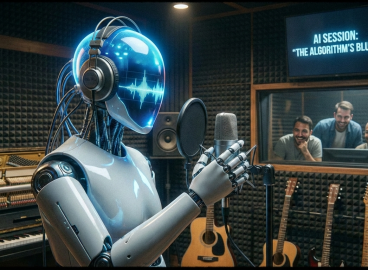
AI music is flooding the charts around Europe
Until recently, AI music was mostly seen as a novelty and was not taken seriously. With the launch of AI music generators such as Suno and Udio, however, AI music has shifted from something to laugh at to something to be genuinely concerned about.
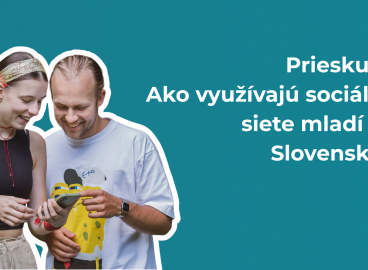
How do young people in Slovakia use social networks?
Social networks are an integral part of young people's lives. According to surveys, they spend 3-5 hours on them daily. The results of the first Slovak survey show which networks teenagers in Slovakia use most often.
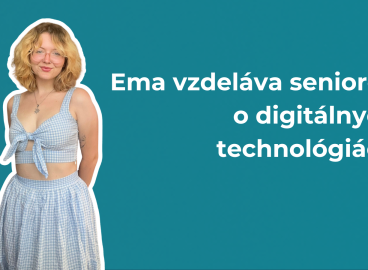
Ema trains seniors about the digital world: Intergenerational education teaches us empathy
University student Ema Ištvánfyová teaches seniors how to use digital technologies safely: According to her, intergenerational education makes a lot of sense.
The Skills We Take for Granted: What Didn’t Exist 20 Years Ago
Twenty years ago, the world looked remarkably different. The iPhone hadn't been invented yet, social media was in its infancy, and many of the skills we use daily didn't even exist. Let's explore the abilities that have become second nature to us but would have seemed like science fiction in 2005.

The Hidden Algorithm Problem: How AI Is Quietly Changing Democracy for Gen Z
Most Gen Z citizens don’t get their political information from TV debates or newspapers. We get it from feeds, timelines, and recommendations. And increasingly, those are shaped by algorithms we didn’t choose - and rarely notice.
Podcast – Social Media, where’s the truth ?
This podcast discusses social media, its reliability today, and its potential future significance in the media world. Will it be our main source of information? Can we really trust it? Who should we believe? These are the questions addressed in this podcast, through interviews with young people aged 20 to 25.
The New European Lifestyle: Digital Nomads at Work
How remote work, freedom of movement, and a new mindset are reshaping careers, borders, and identity across Europe.