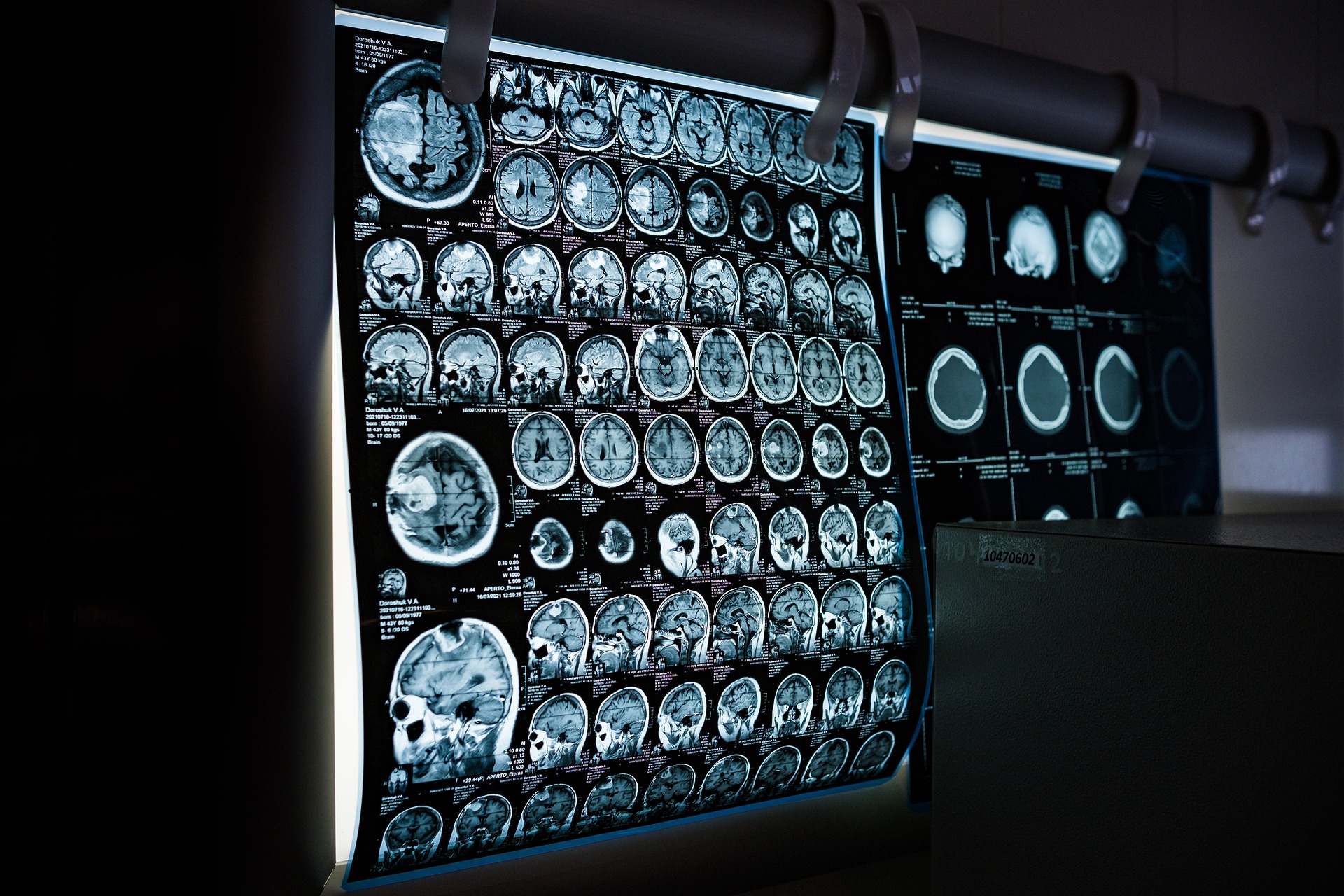
It sounds unbelievable, like something a conspiracy theorist might yell deliriously, but technology has now advanced to a degree where it can read our minds, and billionaires are investing in it heavily. So, what is neurotechnology, and have we got enough regulation to protect ourselves as more products integrate it?
Neurotechnology, also referred to as neurotech, has already hit the market with non-invasive portable neuroscanning devices like those sold by Emotiv and Muse. Other products are yet to go to market, such as Elon Musk’s Neuralink “brain chip” which aims to allow users to operate a phone or computer through their mind alone. Meta is investing in consumable neurotech, and Apple has filed patents for AirPods that can scan your brain, the data from which can then be analysed by your phone or computer.
These technologies have huge ethical and human rights implications, and yet there is currently no legislation in the EU that directly regulates this burgeoning market. How do we create laws that keep consumers safe, prevent manipulation, limit the powers of governments to misuse these technologies, and hold companies accountable for their actions? Chile has, for example, already regulated and successfully prosecuted neurotech companies for data misuse, and perhaps it is time that the EU follow suit. Taking big tech’s history of misconduct into account, why are we giving them access to our brains without guardrails? To prevent harm before it even starts, we need regulation that addresses the ethical issues that arise with these technologies.