


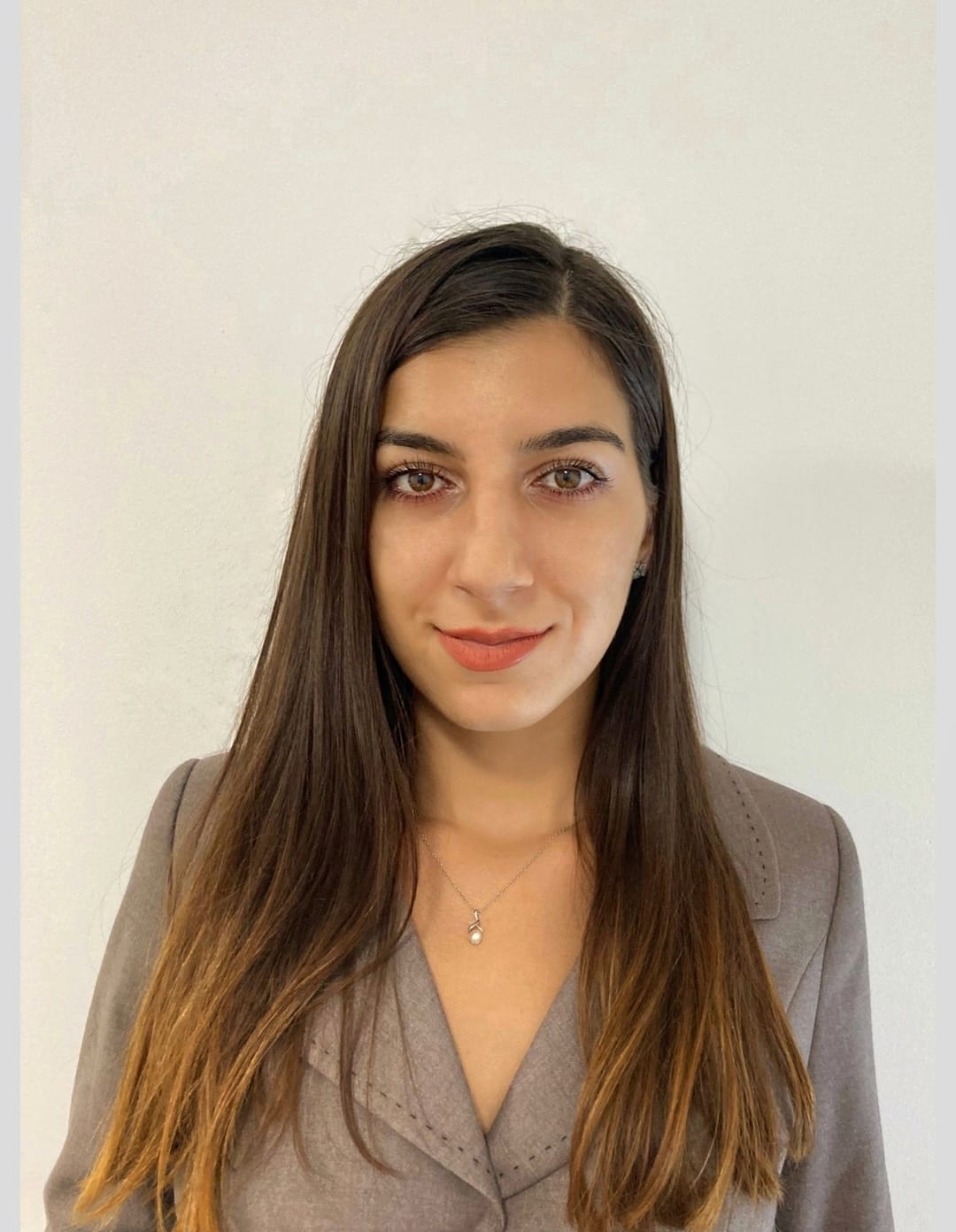
Podcast based on an interview by Ruxandra Hurezean. (podcast edited by Madalina Mihai)
The perspective of visual artist Adi Buda
Born in a small village in the Apuseni Mountains, Adi Buda has shaped his artistic path in close connection with rural life and the communities that raised him. For him, art is not only a form of expression, but a language through which people can communicate, reflect, and heal. In his conversation with journalist Ruxandra Hurezean, Buda explains why he sees art as a medium for dialogue and social transformation.
For Adi, art goes beyond visual aesthetics; it becomes a space where the invisible processes of our lives take shape. In small communities—where relationships are deeply interconnected—the act of creating can turn into a therapeutic experience, a moment where people confront their emotions, rediscover their voice, and make sense of personal change.
He emphasises that art can build bridges: between generations, between tradition and the present, and between the individual and the collective. Through his work with rural communities, Buda has witnessed how the artistic process helps people gain new perspectives, understand transitions, and reconnect with their own stories.
“Art reveals mechanisms we don’t see in our daily lives. People discover themselves through the artistic process,” Buda explains in the interview.
In his dialogue with Ruxandra Hurezean, the artist discusses the role of art in community life, the importance of visual education as a framework for real dialogue, and how participatory projects can reshape the way individuals relate to their own experiences.
For Adi Buda, art is, above all, a form of presence — an authentic encounter between people, ideas, and lived experiences. It is a way for communities to better understand their past, navigate the present, and imagine their future.
This podcast in Romanian is part of PulseZ. #PulseZ