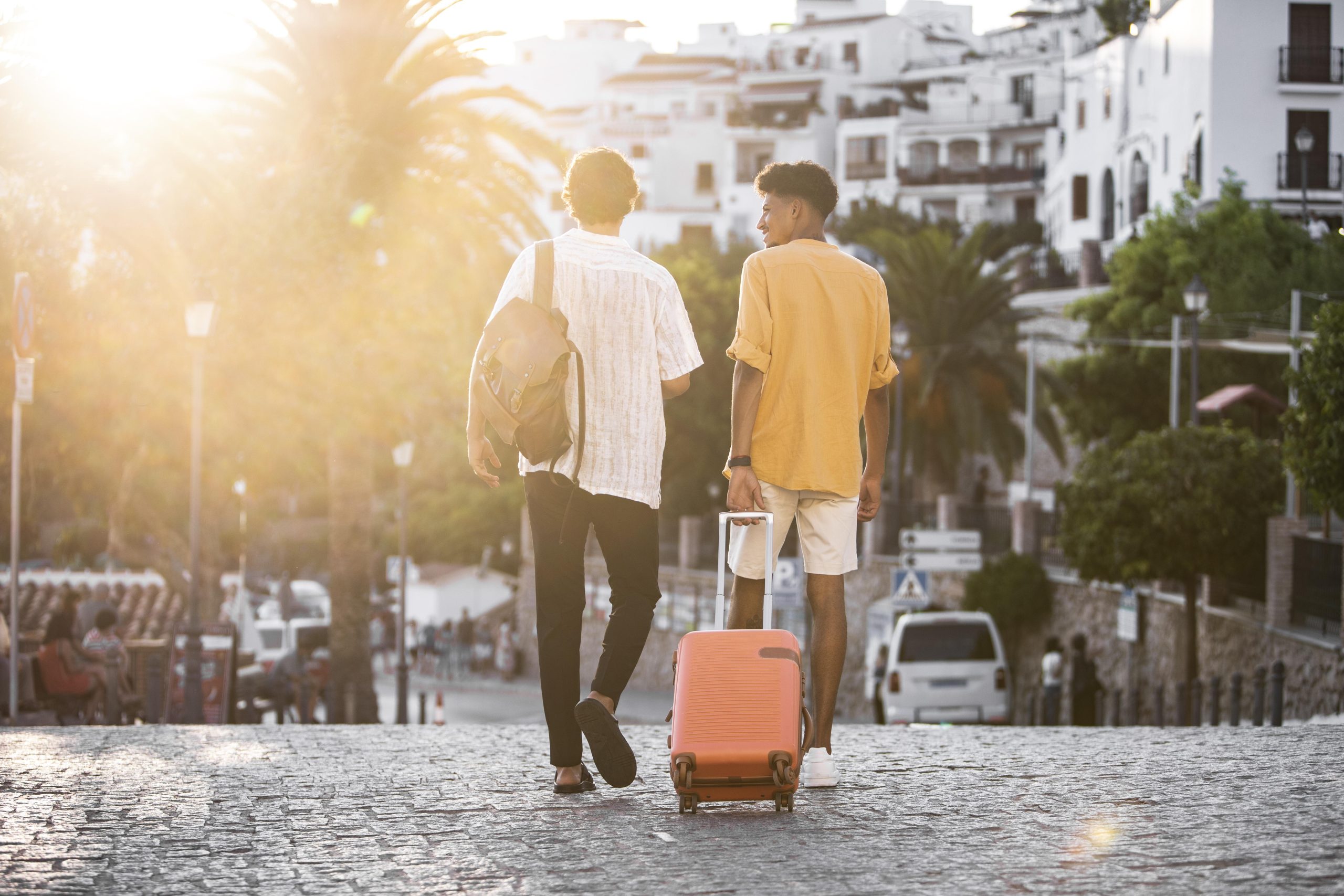
Travel is one of the greatest privileges of our generation. In the past, people did not have the opportunity to move freely within Europe for work, study or leisure. Crossing borders was much more difficult administratively, politically and economically. However, nowadays we make the most of travel, as statistics show. In 2023, 65 percent of the population of the European Union (EU) went on a tourist trip.
For us, the Schengen area means free movement without border controls. It is one of the most visible benefits of the European project, as up to 450 million people can move freely between 29 countries. Its history dates back to 1985, when an agreement was concluded between five EU countries – France, Germany, Belgium, the Netherlands and Luxembourg.
It includes 25 of the 27 EU member states and Iceland, Liechtenstein, Norway and Switzerland. The latest additions are Bulgaria and Romania, which joined the Schengen area this year. Travelling within the area has become not only a way to get to know other countries, but also a symbol of the freedom and connectivity that many of us take for granted today.
Every day, around 3.5 million people cross national borders and around 1.7 million people live in another Schengen country where they work. European estimates say that around 1.25 billion trips are made within the agreed area every year. The advantage is that non-EU citizens can also travel through Schengen countries without border controls.