


The Security of Our Planet, Our Europe
Mr Jain on the EU Green Deal, youth action, and democracy’s role in climate solutions
As climate change and environmental degradation increasingly shape political debate across Europe, the European Union’s sustainability agenda has taken centre stage. In this conversation, Angelina Daniels, a law student, speaks with Mr Jain, an environmental politics expert and textile business owner from India, on the EU’s leadership in climate policy, the role democratic institutions play in driving environmental action, and how young people can contribute meaningfully to building a greener future.
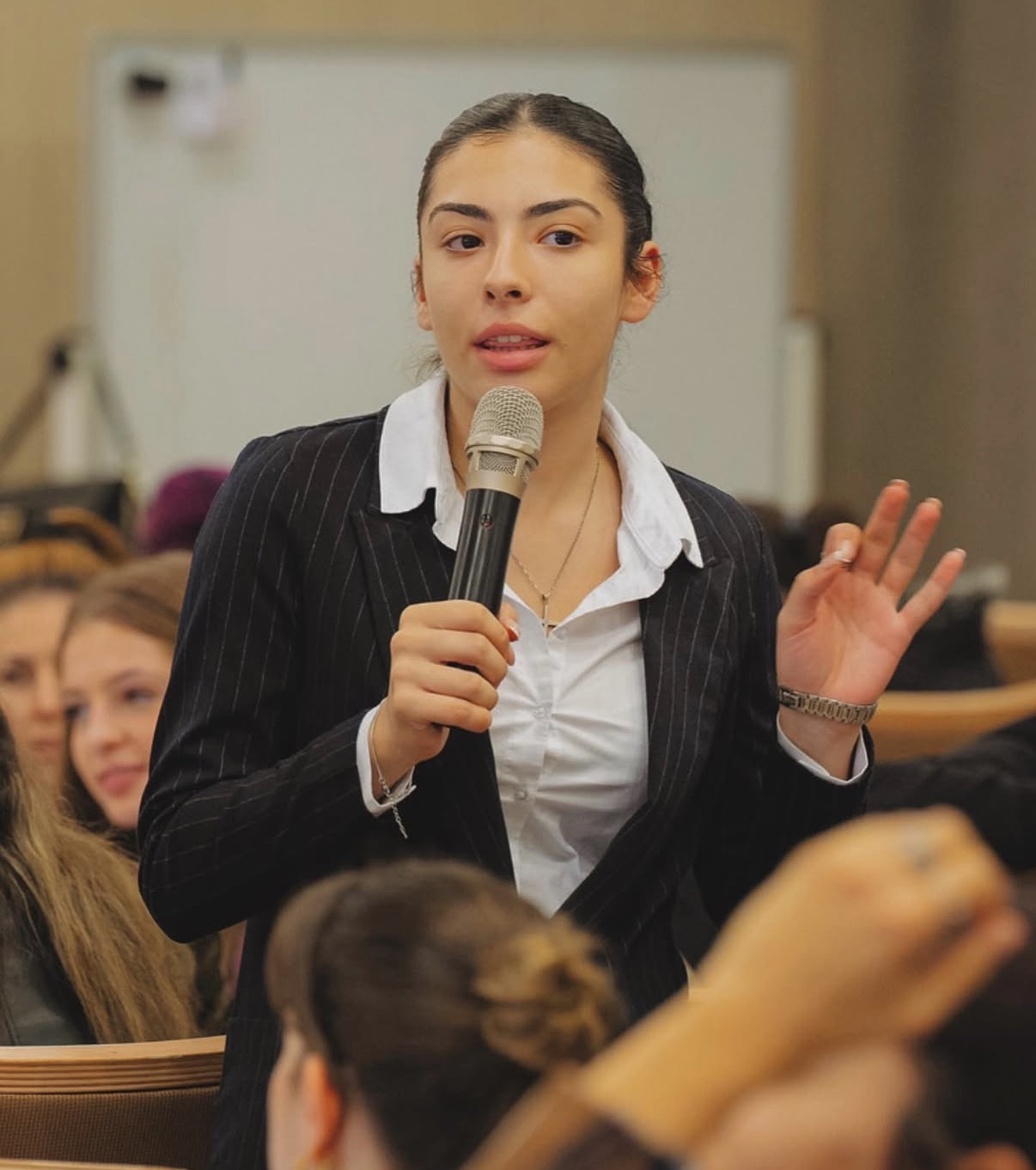
The interview was conducted in December in Brussels, outside the European Parliament, during the Pulse Z conference, with a focus on identifying the most pressing global challenges today and the role of youth in shaping solutions.
Our discussion explored three central themes: the foundations of environmental politics, the role of youth in shaping Europe’s green transition, and the global environmental challenges that demand democratic solutions.
Europe’s Green Leadership
Mr Jain began by highlighting the European Union’s proactive stance on environmental protection, describing it as a “global pioneer in sustainability policy.” He pointed to the EU Green Deal and the bloc’s commitment to reaching net-zero emissions by 2050 as evidence of a shared ambition among its 27 member states.
Through democratic processes, particularly the direct election of Members of the European Parliament (MEPs), citizens can influence the direction of environmental policy. According to Mr Jain, this democratic structure ensures that Europe’s sustainability agenda reflects public priorities rather than top-down decision-making.
He also referred to key legislative frameworks such as the Fit for 55 package and the EU Biodiversity Strategy for 2030, which aim to guide the continent’s transition toward a more sustainable economic model.
“Europe’s model shows that sustainability and prosperity are not mutually exclusive. In fact, they depend on one another.”
The Role of Youth: Building a Greener Generation
Turning to youth engagement, Mr Jain emphasised that education remains the cornerstone of long-term environmental awareness. He argued that sustainability values should first be cultivated within families before being reinforced through formal education.
“Green education must start at home,” he said, noting that parents who understand sustainable practices are better able to pass these values on to younger generations.
Schools and universities also play a crucial role. Integrating climate literacy and sustainability into curricula, from primary education through to higher education, helps ensure that environmental responsibility becomes part of everyday thinking.
Mr Jain also encouraged young people to recognise their capacity to shape change beyond the classroom. Participation in local climate assemblies, community recycling initiatives, and student-led sustainability projects on university campuses are practical ways to contribute. Engagement with environmental organisations and responsible advocacy on social media can also help mobilise wider communities.
“Young people should never underestimate their influence. The youth of Europe are not only tomorrow’s leaders; they are already shaping the present.”
Global Challenges and Democratic Solutions
Looking beyond Europe, Mr Jain identified climate change, biodiversity loss, and unsustainable consumption as the most pressing environmental challenges facing the global community.
While technological innovation and international cooperation remain essential, he emphasised that democratic governance is fundamental to achieving lasting environmental progress. Democracies, he explained, provide transparency, accountability, and citizen participation; elements that are crucial when addressing complex global crises.
“Only in a democracy can citizens demand environmental responsibility from their leaders. Public pressure, informed debate, and civic participation keep sustainability on the political agenda.”
A Shared Responsibility
As the interview drew to a close, Mr Jain returned to the idea that protecting the planet ultimately requires both political leadership and individual commitment. Environmental progress, he suggested, cannot rely solely on policy frameworks; it also depends on the everyday decisions made by citizens.
He concluded by emphasising that Europe’s success in safeguarding the environment will depend on a collective sense of responsibility shared by policymakers, communities, and individuals alike.