
Introduction

Denim is one of the most important fabrics in the world with the market size of denim jeans in Europe crossing over 22 billion euros. But producing these jeans have a negative effect on our environment. The ways of recycling around 2,16 million tons of denim waste which is produced globally, are really underdeveloped and cannot keep up with the constant growth of scrap material.

But all hope isn’t lost: many methods have been and are being worked out to make recycling easier and everyone can help reduce the amount of waste produced.
Environmental effect

Producing one pair of jeans uses 2900 litres of water and a lot of energy and chemicals. The jeans are coloured using indigo and other dyes, which leads to water and air pollution and waste.

Denim, although made mostly or totally from cotton, take a long time to break down.

Therefore, if even one pair of pants has a big impact on the environment, it’s hard to really visualise how huge of an influence all of the denim jeans produced annually have.

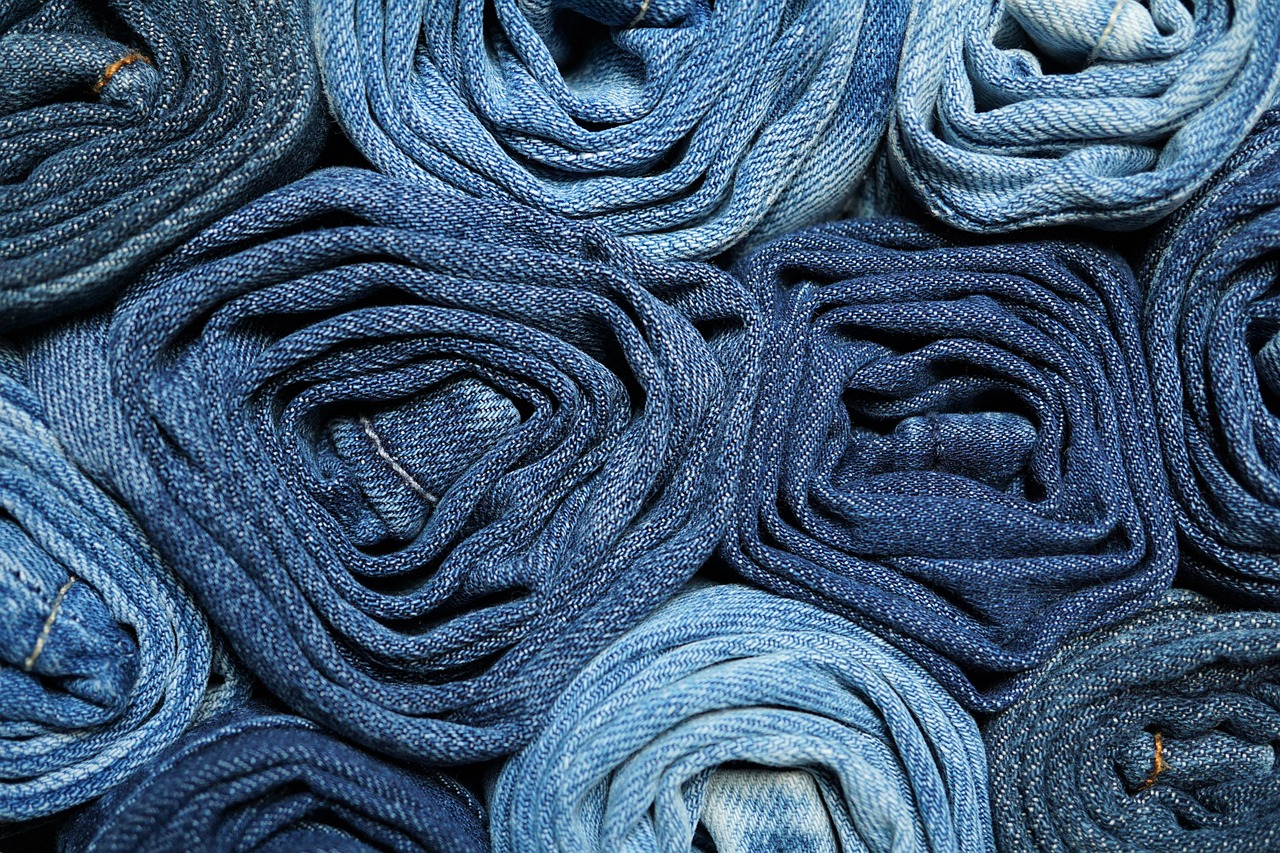
Source: https://pixabay.com/photos/jeans-pants-clothing-blue-fashion-5394561/

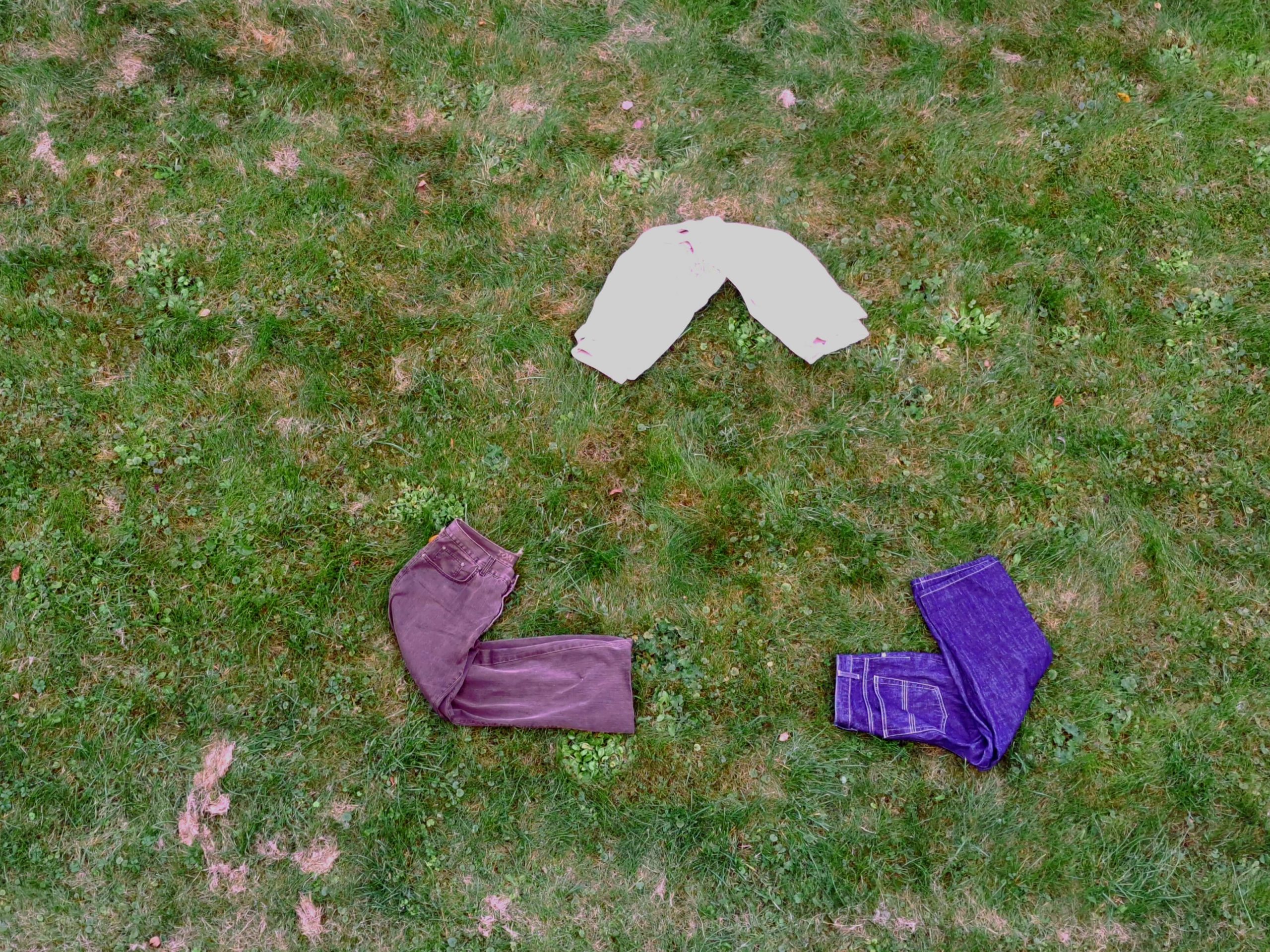
Source: my picture

How denim is being recycled

Many denim companies are changing their processing methods greener by choosing alternatives like laser procesing and nano bubble ozone washing machines and are developing new ways of producing jeans.

Mechanical, chemical, thermal and biological recycling methods have their own advantages and setbacks, but are being developed right now to fight the negative effects denim waste has on the nature.

Companies are changing their design to include stainless steel,  replace leather labels and more to make the process of recycling easier and quicker.

What can we do?

You and me can also help to preserve our nature. Buying less clothes and getting the most out of your existing ones reduces waste produced.

We are a student company that gives new life to your old jeans that you don’t wear anymore by processing and styling them to suit you better. We hope we can persuade people to give their clothes a second chance by recycling them and not buying new ones, when they aren’t necessary.

We only have this one planet so we have to do all we can to preserve it.

Sources

Saha, S. (2022, October). The need for denim recycling and its challenges. Fibre2Fashion. https://www.fibre2fashion.com/industry-article/9474/the-need-for-denim-recycling-and-its-challenges

Nandi, P. (2025, September). Europe Denim Market. Market Research Future. https://www.marketresearchfuture.com/reports/europe-denim-market-46341

Akı, S. U., Candan, C., Nergis, B., & Önder, N. S. (2020, June 15). Understanding Denim Recycling: A quantitative study with lifecycle assessment methodology. IntechOpen. https://www.intechopen.com/chapters/72493

Written by

Shape the conversation

Do you have anything to add to this story? Any ideas for interviews or angles we should explore? Let us know if you’d like to write a follow-up, a counterpoint, or share a similar story.