In today’s fast-paced world, we are trying to adapt our lives to it. We are trying to speed up transportation, the internet, communication, and work. It is no wonder that fashion is also moving at a fast pace. Fast fashion, i.e. fast, cheap clothing that imitates the latest trends, has become a symbol of an era where everything is instant and consumer appetite is almost endless.

Much has been written about fast fashion, and everyone knows the basic definition and how to combat it. Nevertheless, it is necessary to constantly remind ourselves of its environmental footprint, often poor working conditions in production, and how it affects our behavior and consumer responsibility.

Ultimately, fast fashion is not just about a cheap T-shirt from the mall, but about the entire system that works on the principle of “make – sell – throw away” . Although these two words have been used mainly in recent years, their history is much more extensive. The New York Times first used this phrase in the late 90s. Journalist Anne-Marie Schiro used it on the occasion of the opening of two new stores on Lexington Avenue, one of which was a Zara International store. At that time, prices ranged from five dollars for knitted gloves to 145 dollars for a coat or 27 dollars for a miniskirt.

However, large chains with cheap clothing existed before, and the main customers were mainly the middle class, as the wealthier ones went to tailors and the lower class sewed their clothes themselves. Many of these early chains are still operating today. Making trends accessible at affordable prices was initially appreciated, but the increasingly fast pace is only sustainable at the lowest possible costs, which have an impact on the world around us.
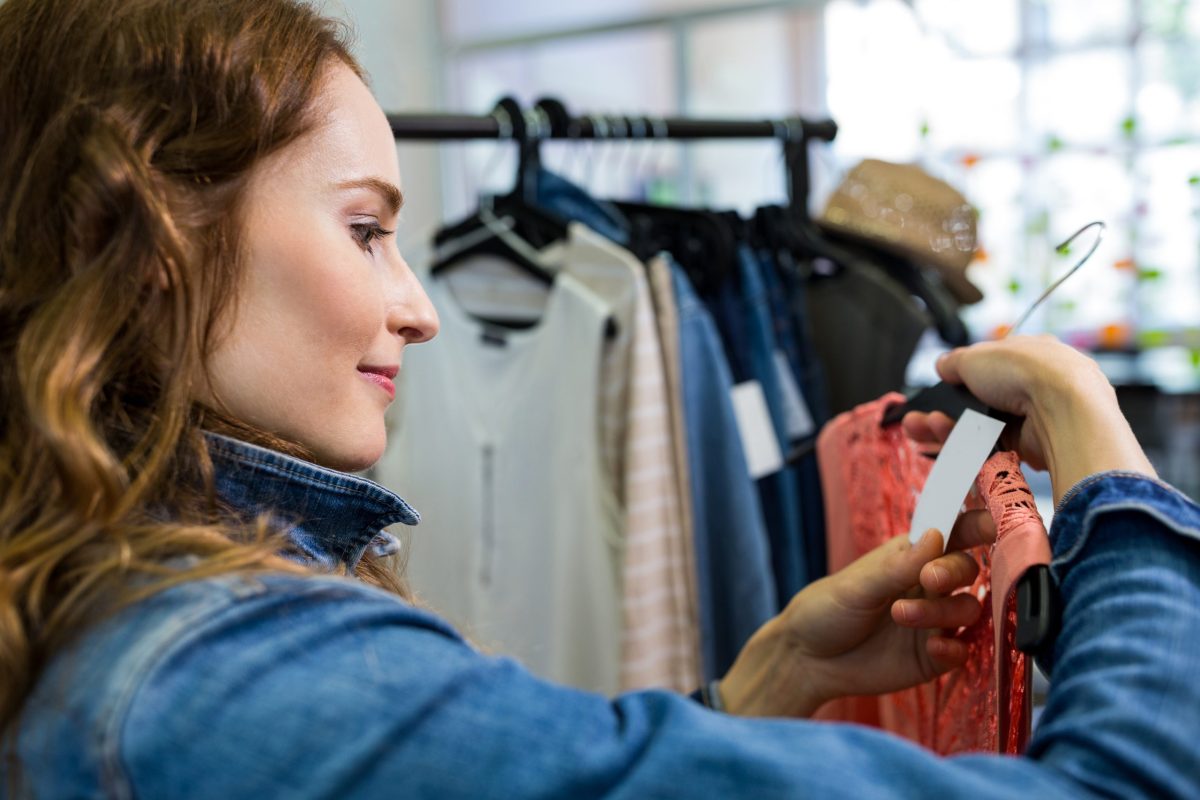
Every year we buy new and new clothes just because they are at a good price. Source: freepik.com

Less burden on our wallets, more for the environment

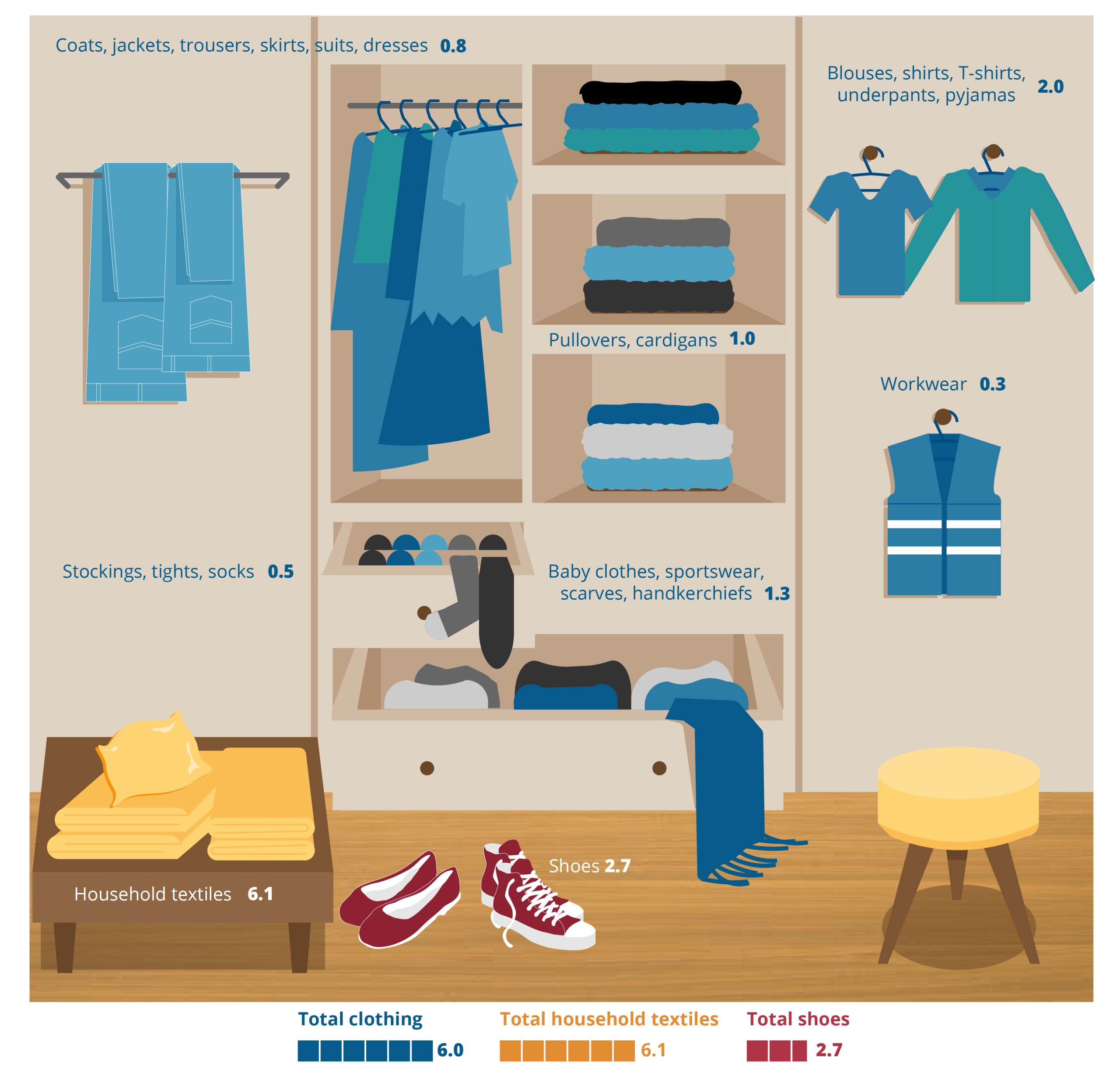
Statistics confirm that our clothing consumption has increased over the past few years. While we bought an average of 17 kilograms of clothing in 2019, this will be up to 19 kilograms in 2022. At the same time, around 12 kilograms of clothing per person in the European Union (EU) are thrown away every year. Compared to production 20 years ago, the fashion industry produces 400 percent more clothing. Instead of the usual two seasonal collections, companies will present up to 52 micro-collections per year. The EU’s plan to achieve a circular economy by 2050 also aims to improve the sustainability of the fashion industry.

However, the clothes we buy are worn on average only seven times before they are thrown away. And when we look in our closet, how many pieces of it do we actually wear? According to statistics, it is only 50 percent of all the clothes we own. Approximately 87 percent of clothes end up in landfills or incinerators, while 30 percent of clothes are disposed of due to overproduction without being worn even once.

But what is hidden behind a single T-shirt or pair of pants? Just growing cotton requires a lot of land and water. According to estimates , 2,700 liters of fresh water are used to make one T-shirt, which is the amount of water consumed by one person in 2.5 years. However, if we take it globally, the fashion industry uses five trillion liters of water every year. At the same time, as a result of dyeing or treating fabrics with toxic substances or using pesticides when growing raw materials, it causes up to 20 percent of global fresh water pollution. The consumption of clothing per person in 2022 also required 523 kilograms of raw materials or 323 square meters of land.

At the same time, textile consumption in Europe had the fourth highest impact on the environment and climate change in 2020 from a global life cycle perspective. It was the third highest impact in terms of land and water use and the fifth highest in terms of raw material consumption and greenhouse gas emissions. However, it should not be forgotten how important the textile industry is, as in 2019, for example, it achieved a turnover of €162 billion in the EU and employed more than 1.5 million people in 160,000 companies.

Average clothing consumption per year per European. Source: https://www.eea.europa.eu/en

Not all that glitters is gold.

At a time when sustainability is trendy, fashion brands have also learned to speak its language. Labels such as eco-friendly , sustainable or conscious collection appear on labels, but the reality is often different. This is greenwashing , i.e. a situation where a brand pretends to be ecological, but it is only marketing. This is a thoughtful step on the part of companies, since, for example, 70 percent of Generation Z, according to research, try to buy from companies they consider ethical.

Fast fashion chains offer “green” collections made from recycled materials, although this is only a fraction of their production. Last year, the EU passed a law banning greenwashing and misleading product information. This bans general claims without evidence such as environmentally friendly” or “organic”.

Several well-known brands have been accused of greenwashing in the past, according to a report by Erth.org . These include not only clothing brands, but also brands of cars, food and drinks. However, in recent weeks, the Italian competition authority has also imposed a fine of one million euros on Chinese online fast fashion retailer Shein for misleading customers about the environmental impact of its products.

It was about a month after the French antitrust authority fined it €40 million for false discounts and misleading claims about its environmental impact. We have already covered the issue and the fines, but it is worth mentioning that this chain sells its clothes all over the world. It also plans to open its first brick-and-mortar store, literally in the heart of the fashion industry, in Paris. However, it is not stopping there and, according to the Euro news website, five more stores are to be added by the end of the year in the cities of Dijon, Reims and Grenoble.

The Shein chain’s plans have sparked backlash from the French fashion industry, as well as from Paris Mayor Anne Hidalgo, who said it was at odds with Paris’ broader goals. The decision to open its first brick-and-mortar stores comes as the US ends duty-free treatment for low-value packages, the principle on which Shein operates. The EU is also considering similar measures.

Greenwashing = a situation where a brand pretends to be environmentally friendly, but it is only marketing. Source: Nikol Pisoňová/PulseZ

Slower, more conscious and more sustainable

At the other end of the fashion spectrum is slow fashion, a philosophy that slows down so we can breathe (literally). It’s a movement that focuses on quality, ethics, and conscious decision-making over impulse buying. Production is more transparent, workers are treated fairly, and the goal is not to make the most, but the best.

Slow fashion points to conscious shopping and therefore that the way we consume has an impact on climate change. Specifically, the key factors of slow fashion include a shift from quantity to quality in production and consumption, respect for the environment and low-waste processes, fair conditions for workers, production of collections in small quantities, use of local raw materials or densification of the supply chain. Last but not least, transparency and honesty are considered, as well as the use of natural and recycled fibers.

Everyone can contribute to slow fashion just by learning how to repair things or properly remove stains. The next step is to take proper care of clothes and wash or dry them gently. Another step towards more sustainable behavior is to wear second-hand clothes, whether from family, friends, second-hand stores or the increasingly popular clothing swaps. Last but not least, there is a need for conscious shopping, when we buy only what we really need and not what has a bargain price on the tag.

Everyone can contribute to slow fashion simply by learning how to repair things or properly remove stains. Source: Nikol Pisoňová/PulseZ.

Chisels: once a solution, now a question mark

Just a few years ago, thrift stores and second-hand stores were seen as the definitive green choice for buying clothes. Shopping second-hand was seen as an alternative to fast fashion that reduced waste and supported a circular economy. The global second-hand clothing market is expected to reach $367 billion by 2029.

According to a report from Thredup , 58 percent of people bought such clothes last year, and the number was even 68 percent among the younger generation. At the same time, 48 percent of people from the younger generation primarily reach for second-hand pieces when buying clothes. The most common reasons for buying include: getting a better deal, the excitement of searching, the opportunity to buy a more luxurious brand, ecology and uniqueness.

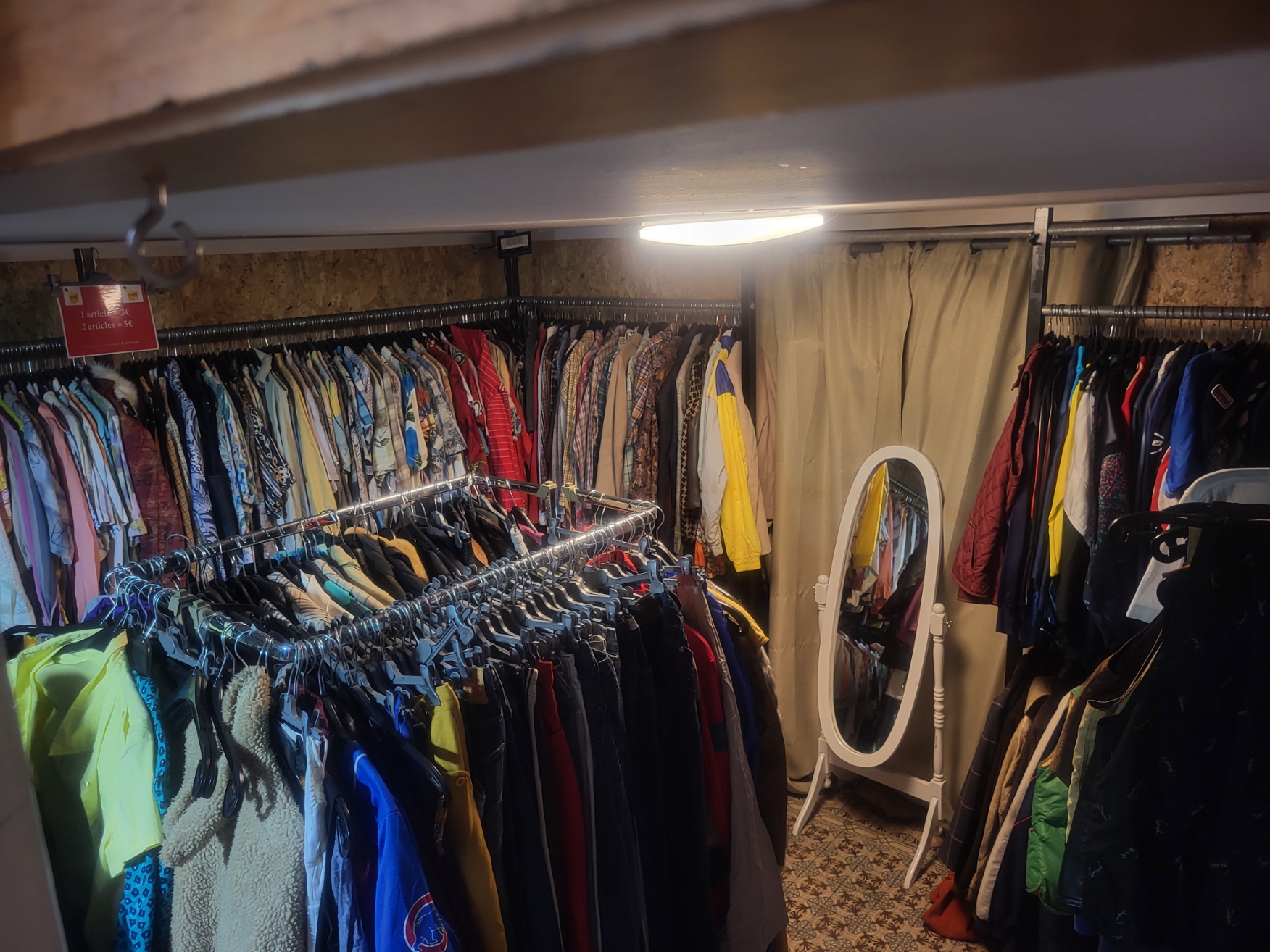
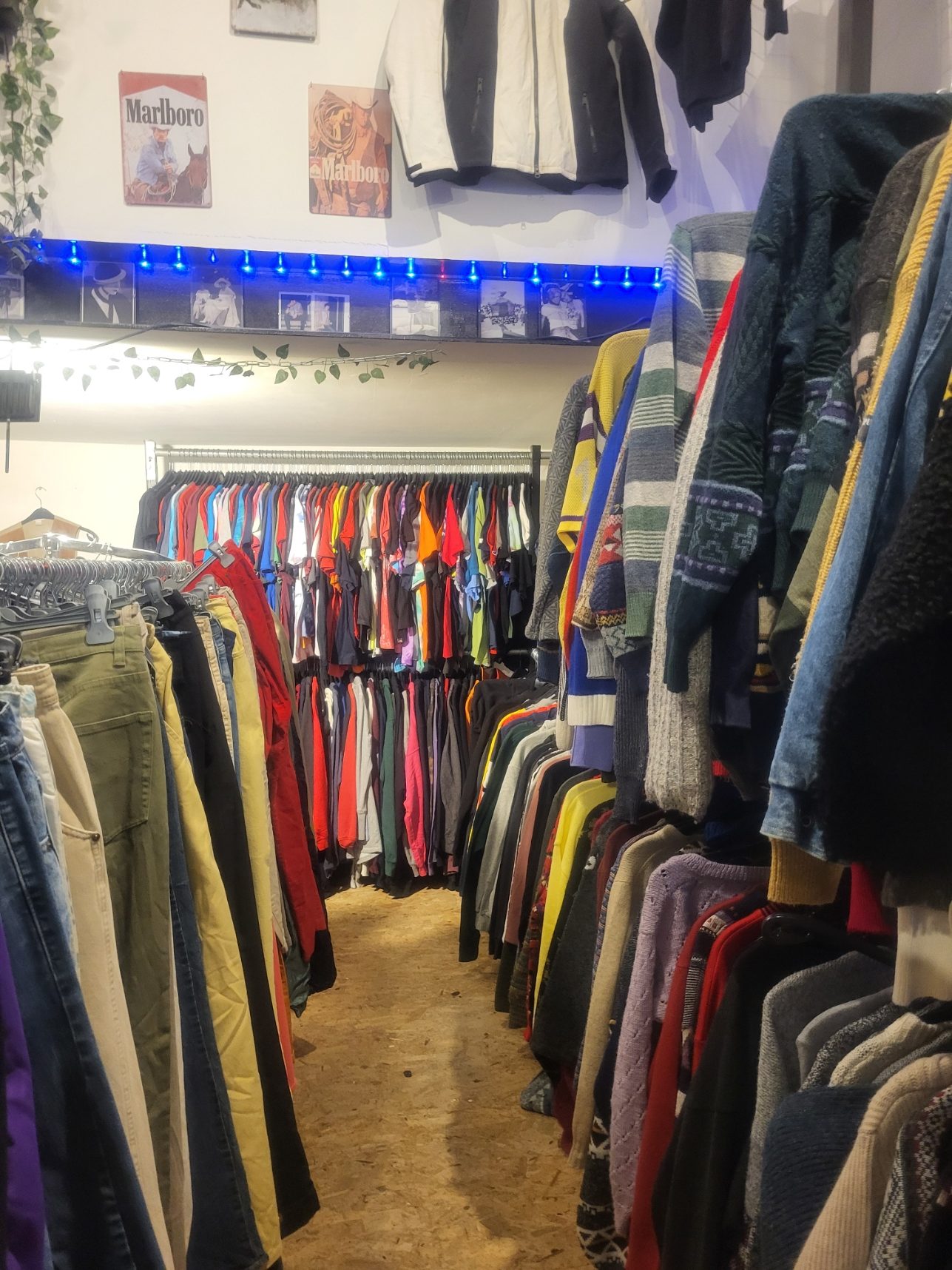
But the situation is slowly changing even in these stores. Research shows that up to 70 percent of donated clothing often ends up in Africa. Of the imported goods in these countries, about 70 percent are sold and a third are thrown in landfills. As a result, many African cities are now struggling with mountains of unusable textiles that take years to decompose.

In addition, thrift stores are increasingly getting clothes from fast fashion brands that fall apart after a few wears. As a result, the pieces become unsellable and the ecological idea of ​​buying second-hand is disappearing. The trend of hunting for pieces in thrift stores is also receiving a lot of attention on various social networks, causing a frenzy and again going against the original idea of ​​sustainability.

Real change starts with our own choices. When shopping, it pays to slow down, think about what we really need, and prioritize quality over quantity. Every piece of clothing we choose consciously can reduce the pressure on production and pollution.

Shape the conversation

Do you have anything to add to this story? Any ideas for interviews or angles we should explore? Let us know if you’d like to write a follow-up, a counterpoint, or share a similar story.