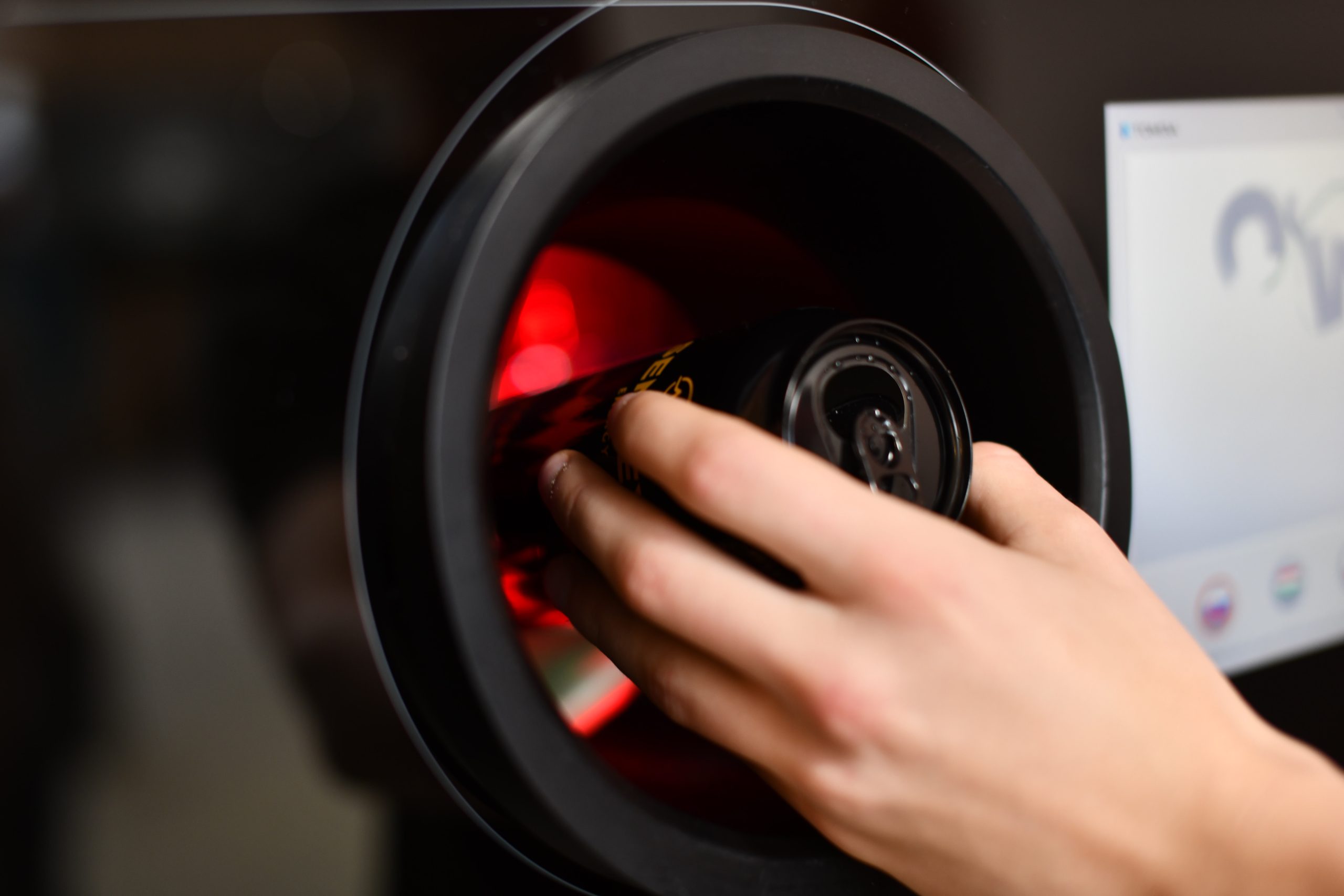
While Slovakia has managed to collect over 3.7 billion bottles since the introduction of deposit in 2022, in other countries this topic is still being passionately discussed. Why is this so? And what problems do some experts point out for which deposit is not an ideal solution?
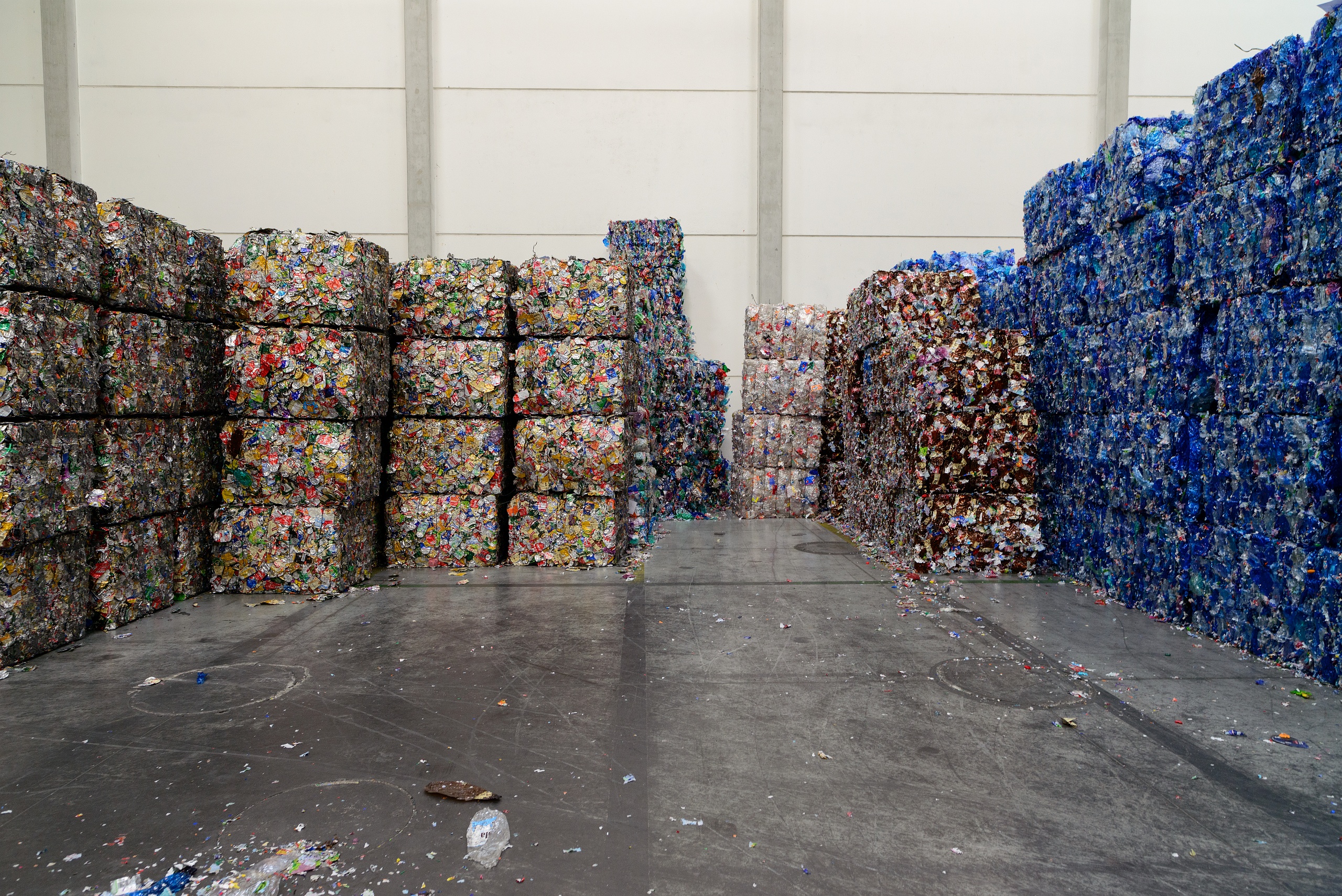
The European Union has already issued a directive on single-use plastics, which aims to prevent the impact of plastics on the environment. It also aims to achieve 77 percent of plastic bottles separated by 2025 and then increase to 90 percent by 2029. One solution is to backfill plastic beverage containers, which helps reduce waste and at the same time contributes to the reuse of the material for the same purposes, from bottle to bottle and from can to can.
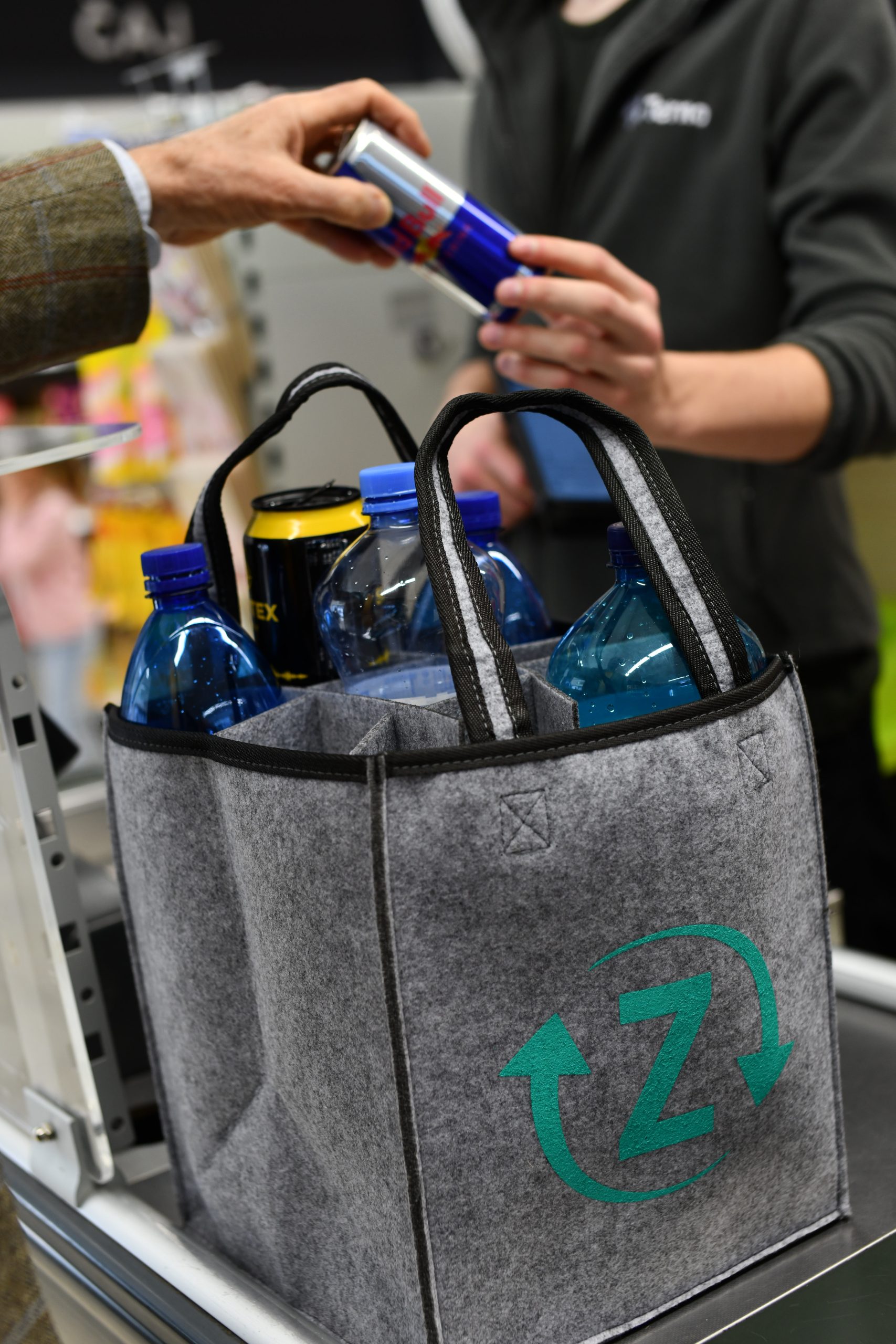
Slovakia met its return targets in just the second year. Source: slovenkozalohuje.sk
By introducing a deposit for all PET bottles and cans, Slovakia has joined 16 other European countries where the system is in place. For example, in Germany, the deposit has been in place since 2003 and has a collection rate of 98 percent. In Slovakia, the level of 92 percent was already reached last year, thus meeting the target for 2025, which experts set at 90 percent.
Despite positive examples from abroad, several European countries are preparing for deposit, for example in the form of approved legislation or are holding discussions. One such country is the Czech Republic, which should join next year. According to the Minister of the Environment, Peter Hladík, thanks to deposit, the Czech Republic should be able to recycle 90 percent of all plastic beverage containers sold by 2029.