


The Dinner Party: Why Malta’s Menu is Stuck in 1964
Imagine a dinner party where you’re only allowed to choose between steak or fish—forever. No vegan options, no fusion, and definitely no dessert unless the majority agrees. This is the reality of political pluralism in Malta. While the rest of the world grapples with the complexity of the 2020s, our political system remains a tug-of-war between two giants, leaving a generation of thinkers, activists, and innovators standing on the sidelines with no team to join.
But this isn’t just a metaphor for a boring Saturday night; it’s the blueprint of the Maltese Parliament. For decades, our political landscape has been a duopoly—a two-headed giant where the Labor Party (PL) and the Nationalist Party (PN) take turns holding the keys to the castle.
In the 2024 European elections, we saw a crack in the armour. The traditional “super-majorities” started to crumble, and a record number of people looked elsewhere. Yet, because of a system rigged for stability over diversity, the outcome remained the same: Red and Blue. To the outside world, Malta looks like a stable democracy. To those of us living here, it feels like a stagnant equilibrium where fresh ideas go to die because they don’t fit into a pre-approved colour scheme.
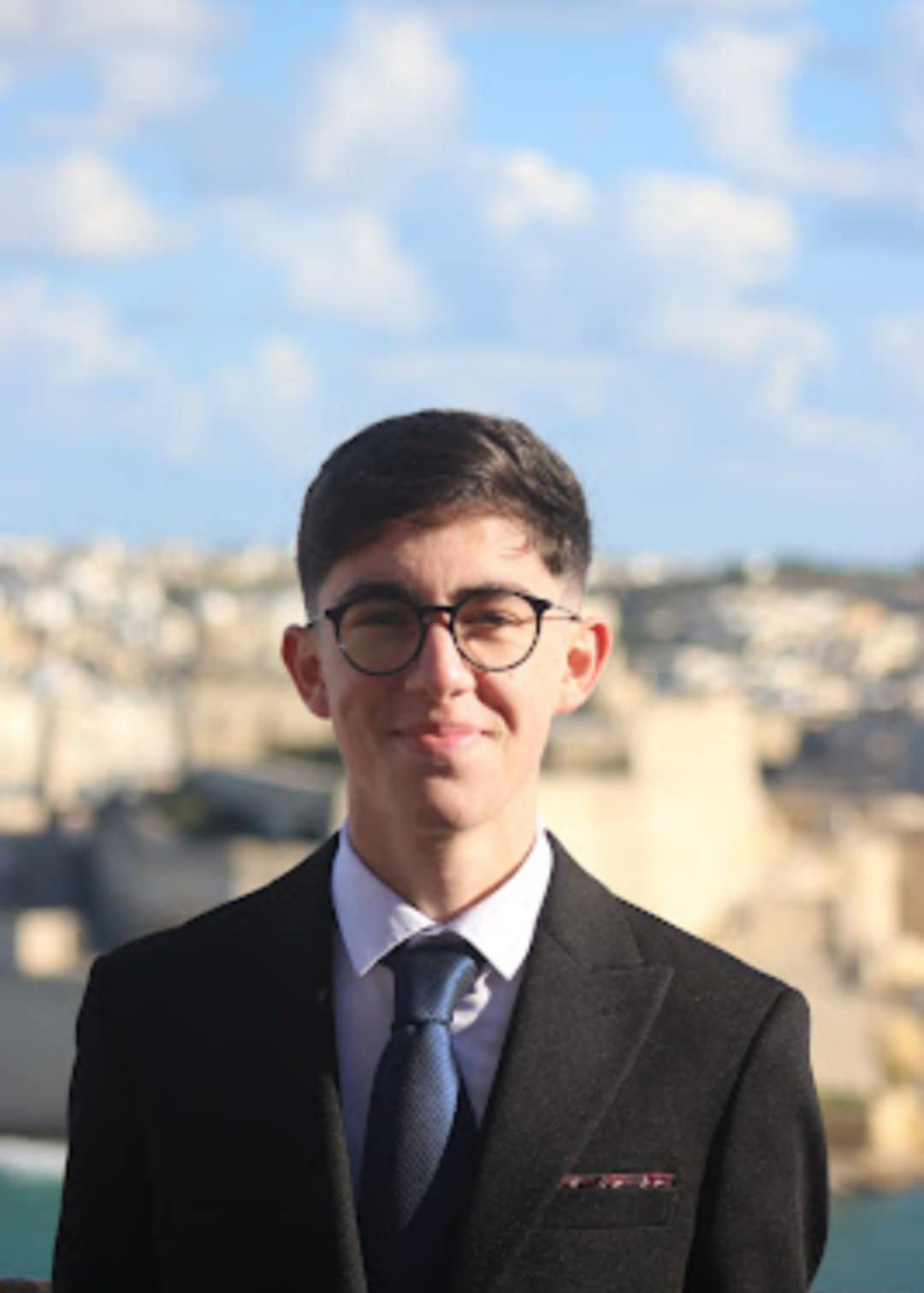
In April 2024, I sat across from the newly elected President of the Republic, Myriam Spiteri Debono, during the TV programme Popolin. My question was simple: How can we tackle the lack of pluralism and the suffocating two-party system that defines our islands?
Her response was telling. She admitted that the current system doesn’t exactly ‘help’ young people get into politics. It was a rare moment of institutional honesty, but it left a hollow ring. Recognising that the door is locked is one thing; handing over the key is another.
The President’s answer focused on the difficulty of entry, but it sidestepped the why. The ‘why’ is that our political structure isn’t just failing to invite young people in—it is actively designed to keep the room small. When the highest representative of the State acknowledges the system is broken but can’t offer a roadmap to fix it, you realise that pluralism won’t be handed down from the palace; it has to be demanded from the streets.