


Podcast based on an interview by Ruxandra Hurezean. (podcast edited by Madalina Mihai)
The European Commission is preparing a major investment for 2026: more than €5 billion will be allocated through the Erasmus+ programme to strengthen the skills of Europeans and expand opportunities for education, training, and international cooperation. In a rapidly changing Europe, Erasmus+ remains the driving force behind academic and professional mobility — a programme that opens doors for both young people and adults.
Next year’s edition places a strong emphasis on digital skills, social inclusion, innovation, and solid partnerships between schools, NGOs, institutions, and training organisations. Young people are supported in building a competitive European profile through internships, studies, and international volunteering. At the same time, adults and professionals gain access to upskilling programmes, exchanges of best practices, and initiatives that can redefine their career paths. For organisations, Erasmus+ remains an essential source of funding for educational, cultural, and community development projects.
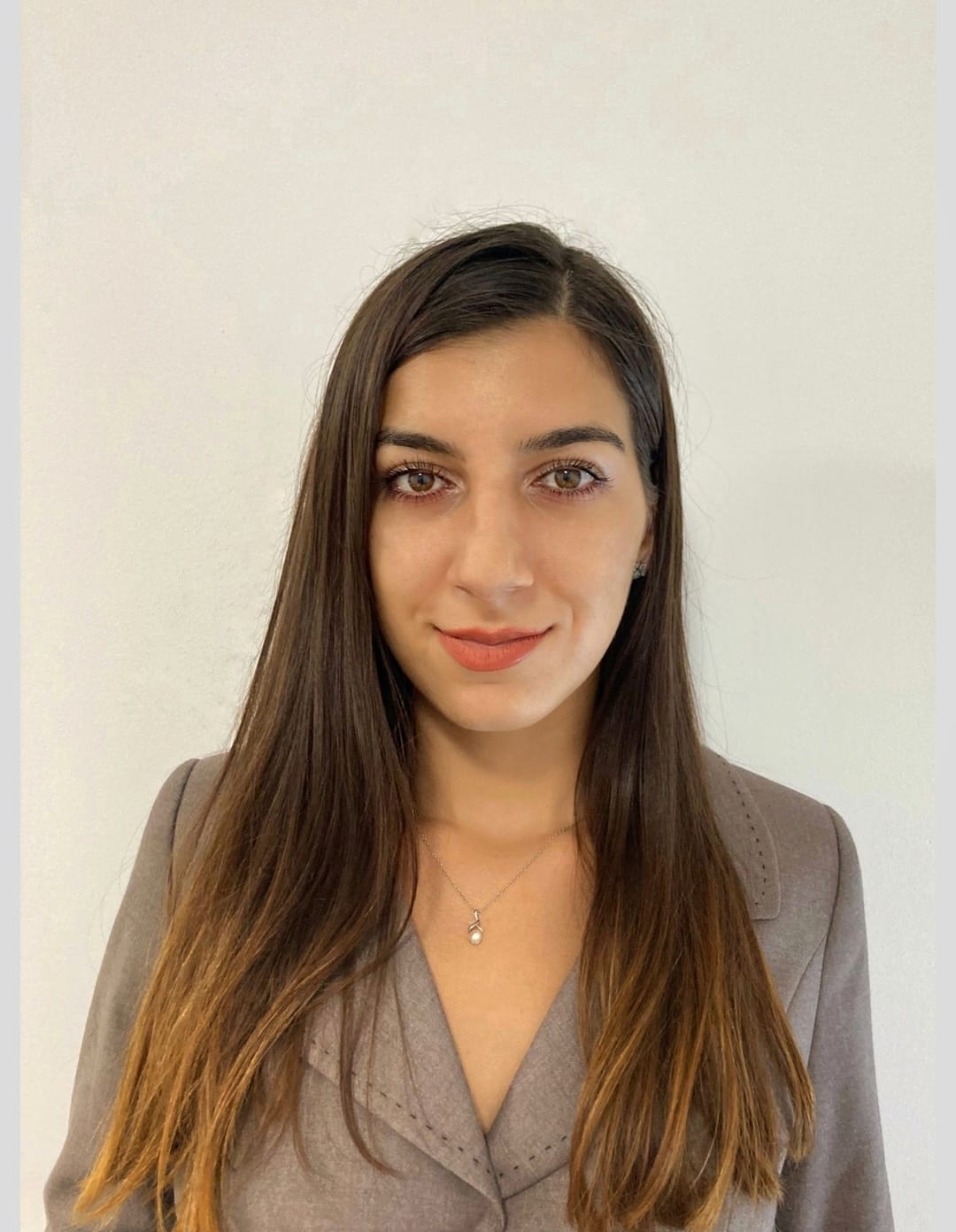
In this episode, we explore these opportunities and discuss what Erasmus+ mobility feels like in real life, together with Ruxandra Hurezean and Cristina Galbici. Originally from the Republic of Moldova, Cristina graduated in Psychology in Chișinău and moved to Cluj-Napoca for a master’s in communication and media production. Today, thanks to her Erasmus scholarship, she is discovering the charm of Crete and shares how this experience has reshaped her direction and perspective.
This podcast in Romanian is part of PulseZ. #PulseZ