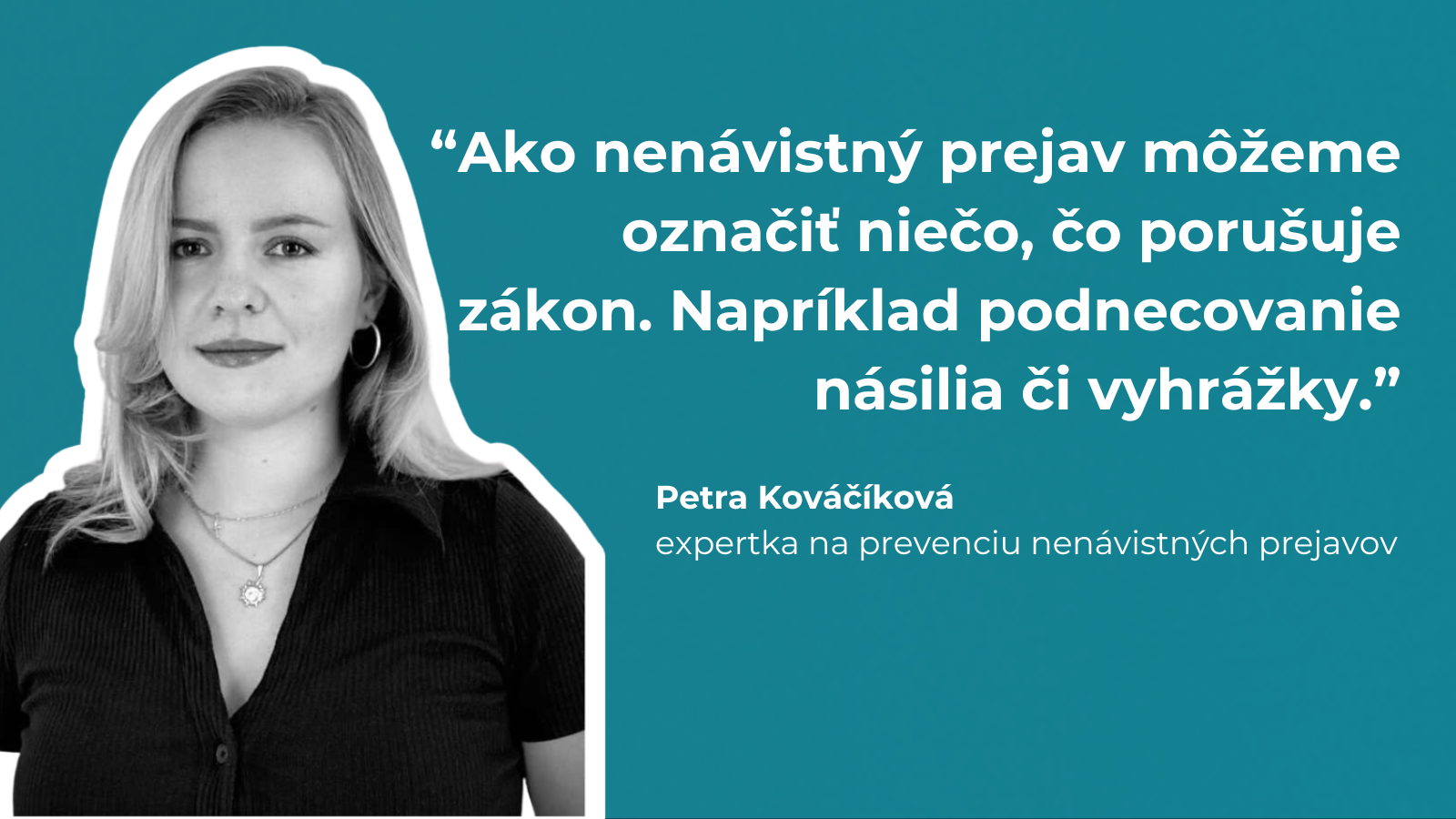
Who is hate speech most often directed at?
In Slovakia, these are mainly people from the LGBTI+ community, and then there are mainly racist comments targeted at Roma and migrants.
Is there any solution to this problem?
We just have to be patient. Less than two years ago, the Digital Services Act came into force – the most comprehensive legislation on a safe and transparent online world. Social networks are gradually adapting to it. If they do not approach their obligations, which include removing illegal content, responsibly enough, they can receive huge fines. The aim of the act, of course, is not to fine platforms, but to teach them to comply with laws and rules.
Is this job difficult for you?
I deal with hateful posts and comments every day, and it creates a rather skeptical reality about the world for me. I am disappointed that people on the Internet can behave in a truly terrible way towards human beings. However, I must say that I am pleased that our work has meaning. We communicate with various institutions and social networks themselves, and we see that they are gradually incorporating our recommendations.
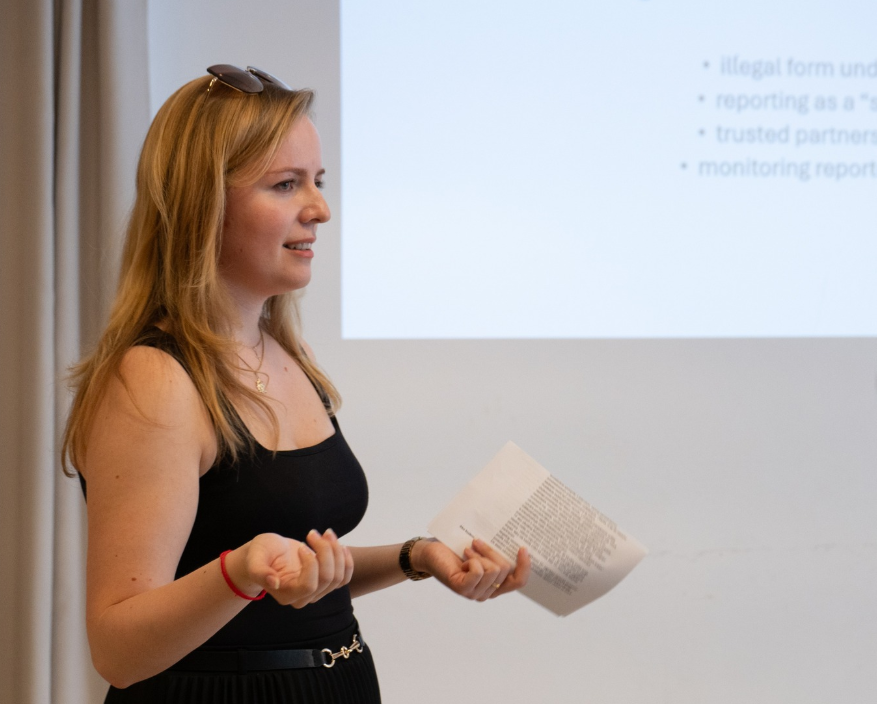
Ordinary internet users often feel that reporting hate speech is pointless. In this video (link), Petra gives you advice on what to do when you encounter such content online.