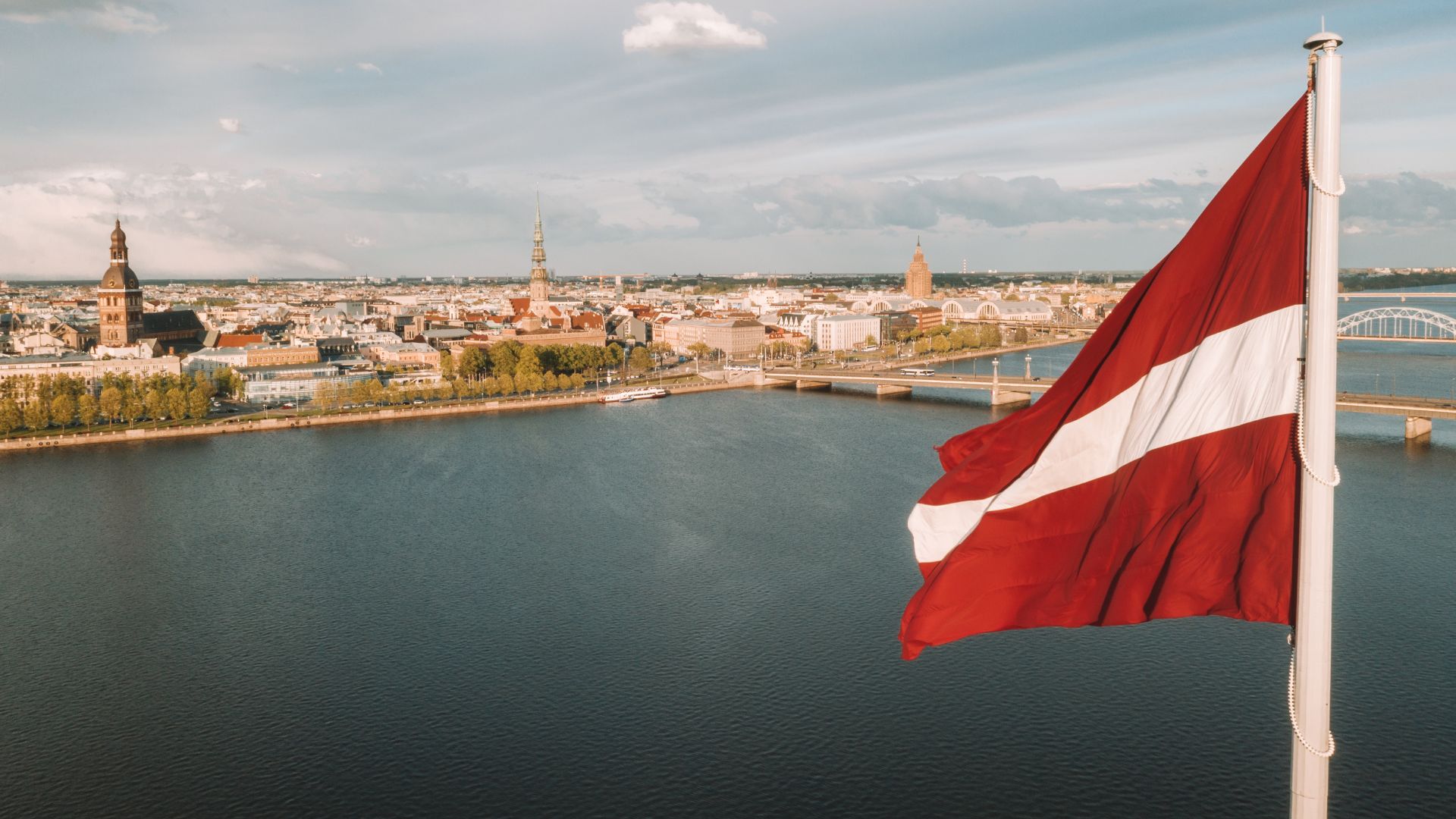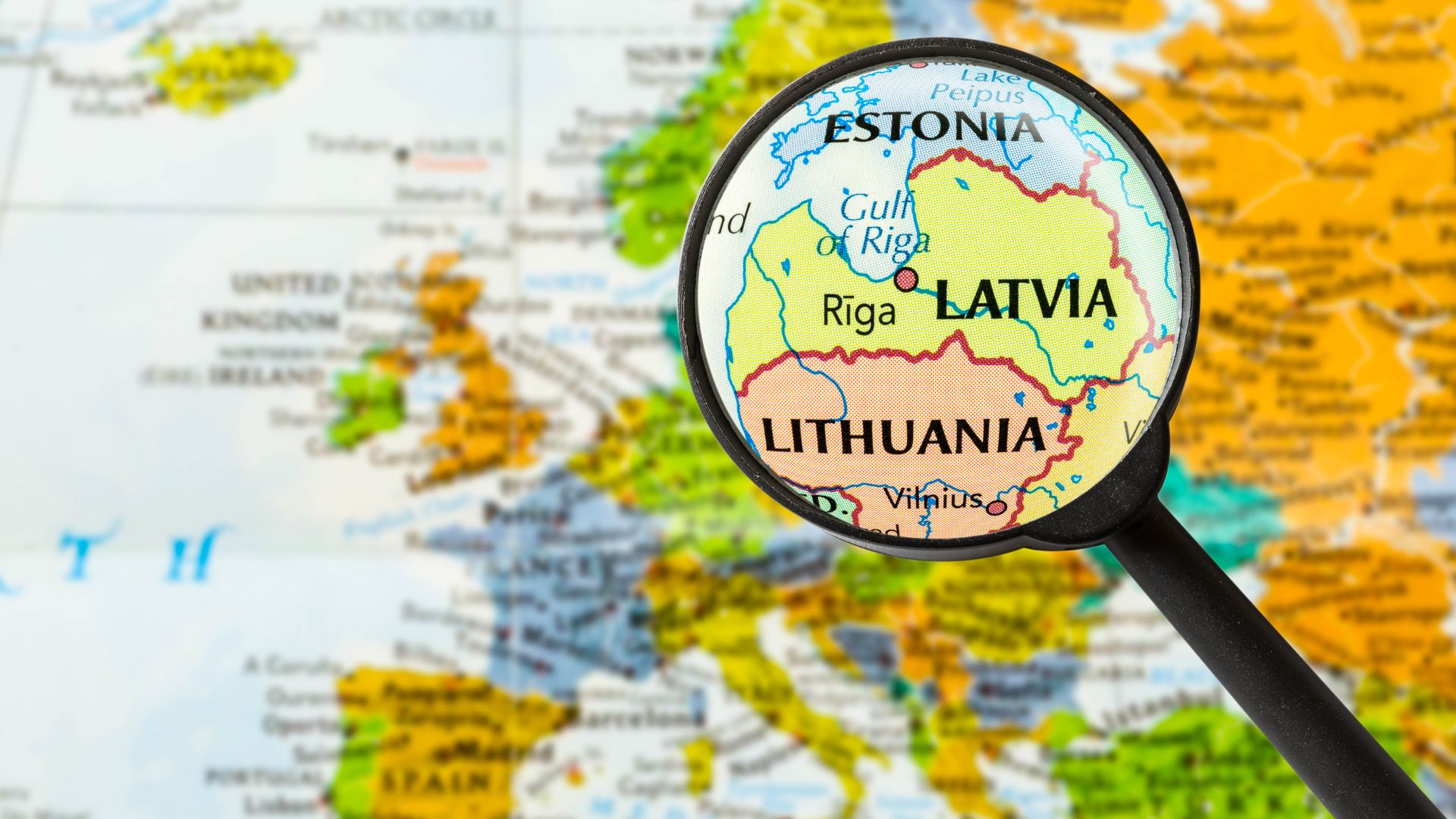
Latvia has become the centre of an intense political and societal confrontation over women’s rights, international commitments, and the influence of anti-gender movements. In late October 2025, the Latvian Parliament narrowly voted to begin the process of withdrawing from the Istanbul Convention, the Council of Europe’s most comprehensive treaty on preventing and combating violence against women. The move immediately sparked national outrage, international concern, and a constitutional clash that has left the country’s future relationship with the Convention uncertain.


A Deeply Divisive Parliamentary Decision

The vote on 30 October 2025 followed more than thirteen hours of heated debate. Fifty-six deputies supported withdrawal, thirty-two opposed it, and two abstained. The initiative was driven by conservative and nationalist parties, who argued that the Convention’s definition of gender as a socially constructed role promotes an unacceptable ideological agenda. They claimed that Latvia’s existing laws already address domestic violence and that the Convention is redundant or intrusive. These arguments mirrored broader cultural and political tensions that have intensified in recent years, with gender norms becoming a key battleground in Latvian politics.

Opponents, including civil society organisations, legal experts, and many members of the governing coalition, stressed that such claims misrepresent the Convention’s aims. The treaty does not redefine biological sex or impose changes to family structures; rather, it obliges states to prevent violence, protect victims, and prosecute perpetrators. Critics warned that withdrawal would undermine women’s safety, damage Latvia’s international credibility, and distance the country from European human-rights standards. The timing of the decision drew further scrutiny, as it came just days before a planned evaluation visit from GREVIO, the Convention’s independent monitoring body.
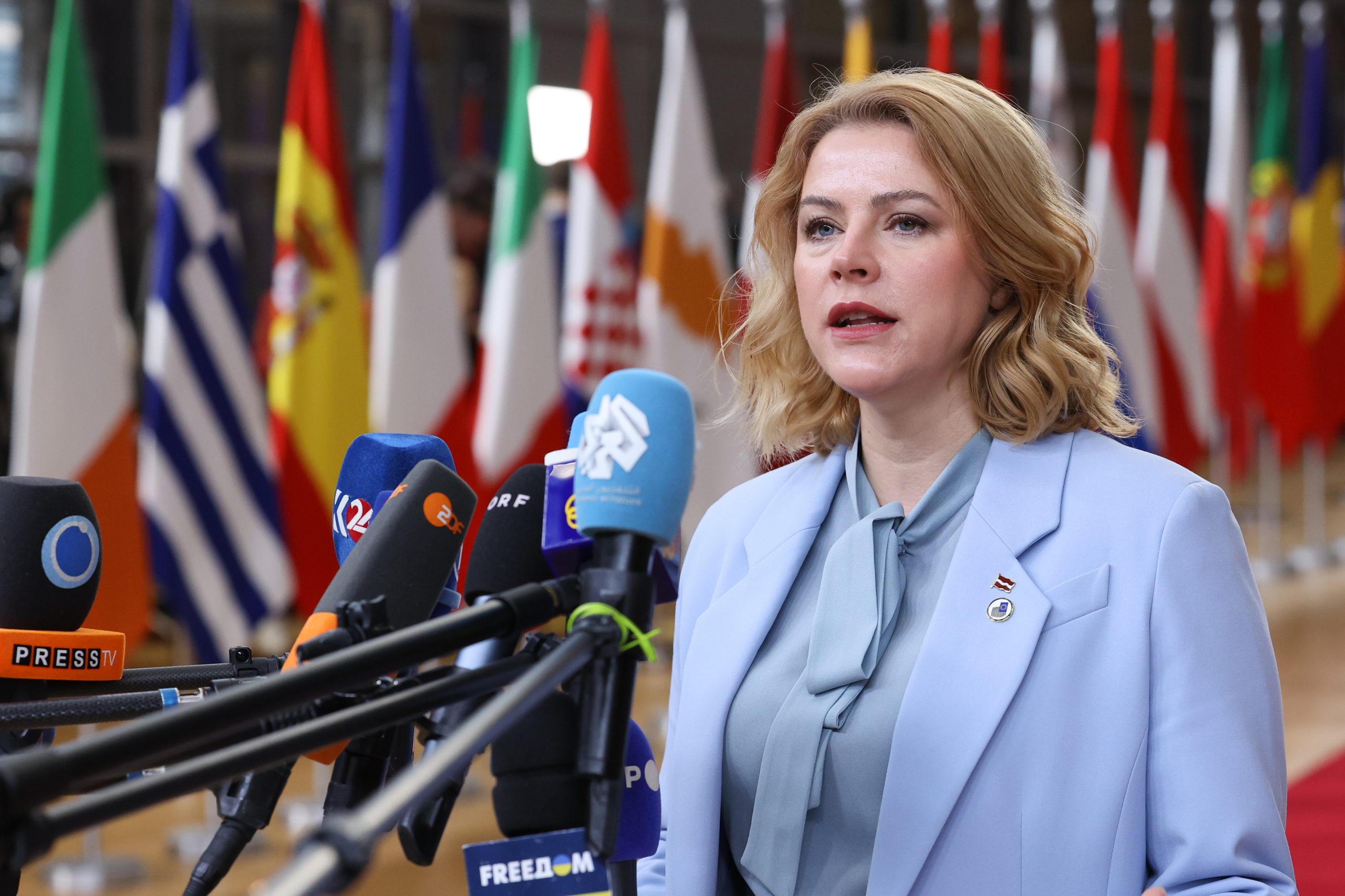
Evika SILIŅA (Prime minister of Latvia). Source: Consilium Europa

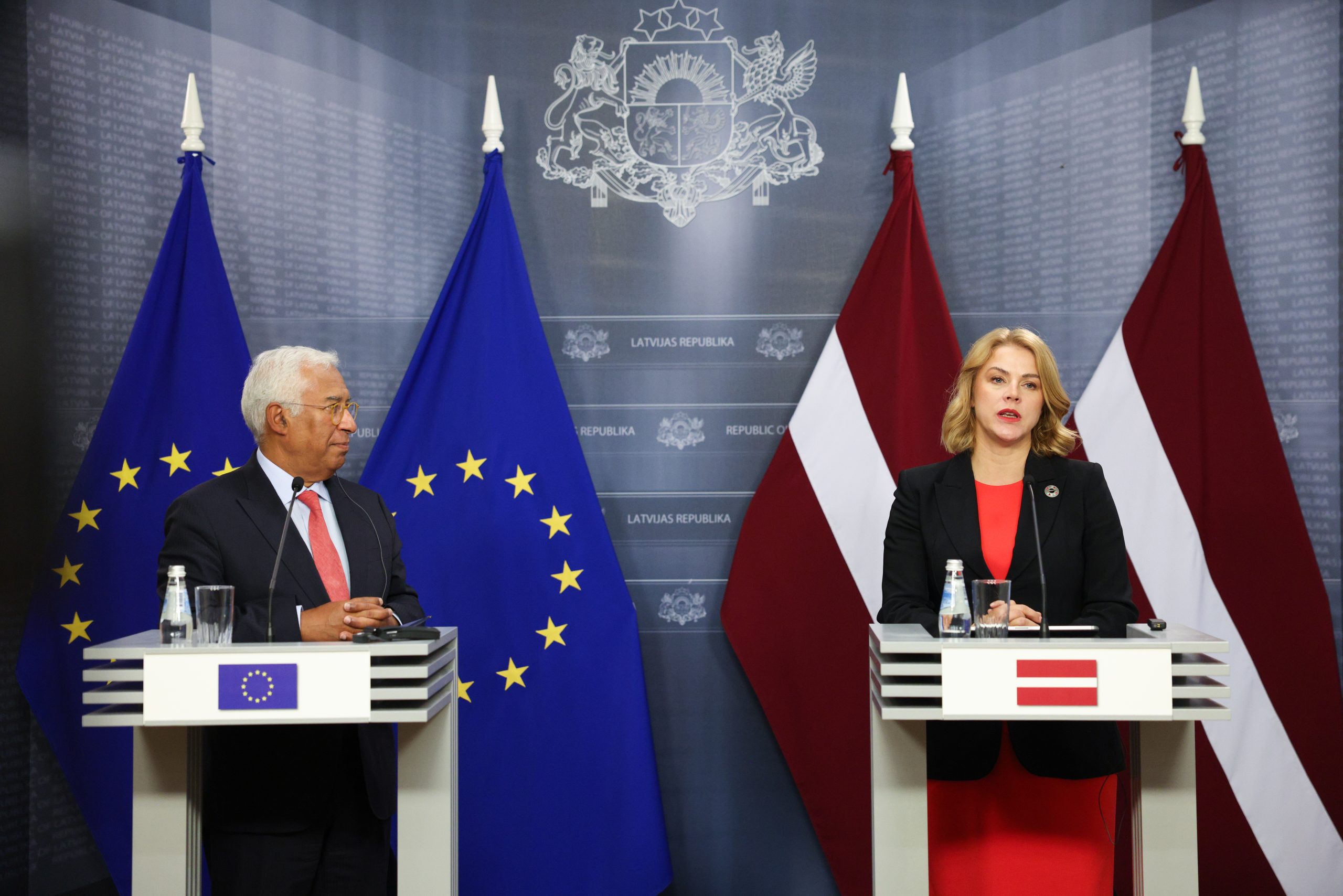
António COSTA (President of the European Council), Evika SILIŅA (Prime Minister, Latvia). Source: Consilium Europa

The President Intervenes

The political shockwaves intensified when President Edgars Rinkēvičs announced on 3 November 2025 that he would not sign the withdrawal bill. In a detailed explanation, he argued that the law posed a risk to women’s safety, lacked a clear legal basis, and threatened Latvia’s standing within the European Union. He emphasised that withdrawing from a human-rights treaty would set a damaging precedent, making Latvia the first EU member state to do so and only the second country worldwide to leave the Istanbul Convention. The President returned the bill to Parliament, recommending that any further consideration should wait until after the next parliamentary elections in October 2026.

Following his intervention, the Parliament referred the bill back to the Foreign Affairs Committee for an extended review. The process has therefore been suspended, and the future of the withdrawal remains unresolved. Some lawmakers have suggested that a national referendum may eventually be needed to settle the issue.


Public Mobilisation

The initial vote triggered the largest wave of civic mobilisation in Latvia in recent years. Thousands of people marched through the streets of Riga demanding that Latvia remain in the Convention. Civil society organisations rallied rapidly, coordinating protests, debates, and advocacy campaigns. A public petition calling for the reversal of the decision became the largest in Latvia’s history. International partners, including ambassadors from fifteen countries and parliamentary leaders from across the Nordic–Baltic region, publicly urged Latvia to uphold its commitments. Their appeals highlighted concerns that withdrawal would embolden anti-rights movements, weaken regional solidarity, and undermine Europe’s collective efforts to combat violence against women.

Latvia [Source: Canva]

Latvia [Source: Canva]

A Political and Geopolitical Flashpoint

The debate over the Convention has reshaped Latvia’s political landscape. The governing coalition has been destabilised and internally divided, while opposition parties have used the controversy to mobilise voters around themes of national identity and sovereignty. Analysts have noted that the rhetoric surrounding the Convention echoes wider European trends, with populist and anti-gender movements gaining traction, often supported by disinformation narratives linked to Kremlin influence. Russian-language media in Latvia played a visible role in amplifying arguments against the Convention, framing it as a threat to traditional values.

At the European level, Latvia’s move has raised concerns about the integrity of human-rights frameworks and the potential for similar actions in other states. Although the European Union’s new Directive on combating violence against women remains binding on all member states, it represents only a minimum standard and lacks the Istanbul Convention’s independent monitoring mechanism. Latvia could, in theory, fulfil its EU legal obligations while exiting the Convention, but such a move would be largely symbolic and politically charged rather than grounded in legal necessity.


An Uncertain Road Ahead

As of late 2025, Latvia has not withdrawn from the Istanbul Convention. The process is paused, and the country remains bound by the treaty. The issue is expected to re-emerge in the run-up to the October 2026 parliamentary elections, where it will likely become a central topic of political debate. Meanwhile, women’s rights organisations, international observers, and democratic partners continue to monitor developments closely, aware that the consequences extend far beyond Latvia’s borders.

The struggle over the Istanbul Convention represents a defining moment for Latvia’s commitment to human rights and gender equality. It is also a test of democratic resilience in the face of disinformation, political polarisation, and geopolitical pressure. Whether Latvia ultimately remains in the Convention will send a powerful signal to Europe: either reaffirming the continent’s shared commitment to protecting women and girls from violence or opening the door to an unprecedented rollback of international human-rights obligations.

Written by

Shape the conversation

Do you have anything to add to this story? Any ideas for interviews or angles we should explore? Let us know if you’d like to write a follow-up, a counterpoint, or share a similar story.