“You cannot live on bread alone”

Those words are written on the side of a house in one of the most beautiful Bulgarian mountain villages – Kovachevitsa. And they don’t mean that you need a steak from time to time. The true meaning behind them is that you can’t spend your life only feeding your body. You also have to feed your soul. How do you do that? With music, poetry, art, movies and experiences.
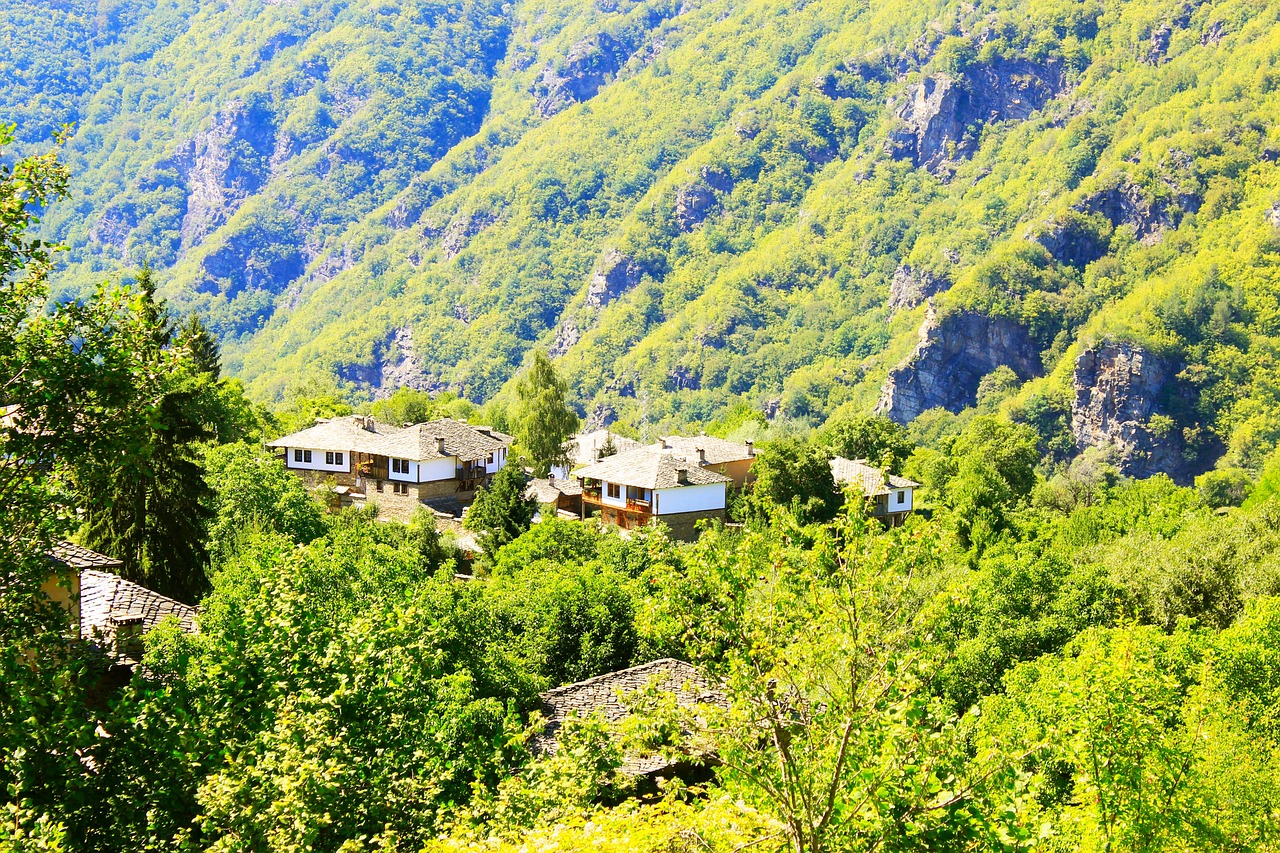
Image of Bulgaria, Kovachevitsa, and the Rhodope Mountains. Source: Pixabay, photo credit: mon83bg

Have you noticed how politicians and experts talk about the European Union on TV? We hear them talking about trade, regulations, budgets, cohesion funds, the single market, etc. While important, these topics are like the bread in the story above – a united Europe can’t survive only on them.  Why? Because you cannot fall in love with the single market. You cannot write a song about a regulatory directive. You cannot dance to the rhythm of the cohesion policy.

What deeply moves people, what grounds us in a sense of common belonging, is culture. The art, literature, music, dance, food, stories and traditions that cross borders, spark curiosity, and build empathy. That is what can connect people across Europe in meaningful ways. When we speak of culture, we speak of curiosity. A French chanson, a Bulgarian folk dance, a Dutch design exhibition, a Spanish tapas tradition – all of these experiences invite you to cross a border: geographical, linguistic, cultural. In doing so, you begin to see that the “other side” actually looks quite interesting and that it is not so different after all.
 

Europe as a state of mind

European institutions and politicians want people to care about the policies, the budgets, the joint currency, and the state and future of the EU. All admirable and important topics. But how can you do that? With analysis, compliance, monitoring, and evaluation? With reports and abbreviations? Today, most of all European culture should play a central role in how we think about unity in Europe. Our goal should be to get people, and especially young people, to fall in love with the United Europe and the ideas it brings. And how can you do that? Through culture.

Culture is visceral. You feel a piece of music. You taste a dish. You move with a dance. You are inspired by a painting. That kind of experience builds emotional connections across borders and nationalities. Our shared history of migration, war, reconciliation, innovation, trade, movement…When we engage with each other’s arts and traditions, we are participating in that shared, layered history of Europe. We are saying: yes, we are different, but also we are connected.

In a time when nationalistic narratives, “us vs them” politics, and competition dominate headlines, culture is a way to remind ourselves about the true spirit of Europe, which can unite and inspire us. If Europe invests more in its culture, it is investing in the glue that holds its social fabric together.

Why then does culture end up in the back seat?

Culture often remains in the shadows of the big EU narratives and also ends up underfunded or with limited budgets. On local, national and European levels. Why? Often, it falls under “soft” policy areas such as arts, heritage, and social inclusion. It is not in the “hard” topics like economics, energy, or security. That means fewer voices in decision-making and less prioritisation. When we talk of Europe, we sometimes talk of the single market, of Schengen, of the euro. Rarely do we speak of the pan-European tradition of folk songs or the network of cultural centres crossing national borders, or the shared conventions in architecture or theatre. Without that narrative being prominent, culture remains marginal.

Why does this matter for the future of Europe?

In an era when the European Union is challenged by internal and external threats, the idea of a United Europe becomes more and more fragile. In these hard times, culture offers a path to connection. When people feel connected culturally, they are more likely to feel invested in the European Union, not as a cold institutional construct but as a living, breathing community of people. They are more likely to care about it and want to defend it, along with all the values and ideas it brings.

You may debate about the importance of directives and budgets and you will be right. But what stays with you is the song you heard in another country, the dance you attended in a neighbouring state, the dish you tasted while travelling, the story you shared with someone whose language you didn’t know yet. Those are the bridges of Europe.

I hope the EU does not just invest more in infrastructure, in markets, in competition, but also in things that reach the hearts of the people across the continent, sparking cultural connections and fueling the curiosity that truly makes Europe the great union it is today.

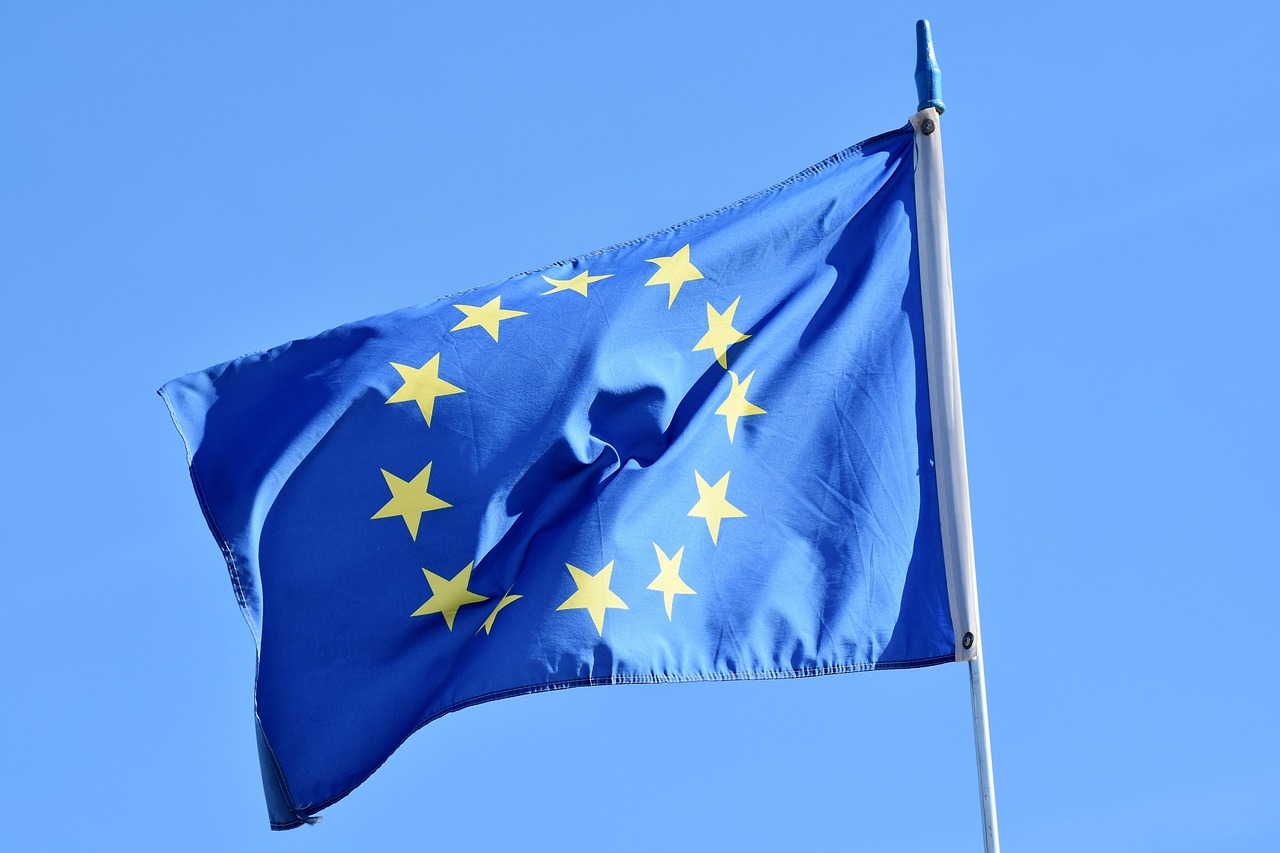
Source: Pixabay, Photo credit: Ralphs_Fotos

What can you do to make a difference?

Of course, the policymakers are the ones planning the budgets for culture, but all of us have a role to play. And here is a story to prove. The company of a friend of mine has offices in several European countries. In a form of teambuilding, each office had to choose a tradition from another country and celebrate it. The office he works at was paired with the one they have in Spain. Bulgarians were dancing flamenco, Spaniards were making martenitsa bracelets. People from both countries were curious about how the other celebrated their traditions. He told me that this experience brought him closer together with his international colleagues. Just because of this one day.

Europe desperately needs something people can fall in love with: something human, emotional, and shared.

A Schengen border may be reopened.
A visa regime may change.
A trade negotiation may fail.

But music, art, cuisine, and stories flow across borders endlessly.

Only culture can integrate people. It gives Europe a face, a voice, a heartbeat. Culture is Europe’s long-term memory, and its long-term resilience. It can both break barriers and build bridges. Europe will not be held together only by GDP figures, treaties, or directives. It will be held together by people who recognise parts of themselves in the culture of others.

Europe’s unity does not begin in Brussels.
It begins in the way a song from another country unexpectedly moves you.
In the way a new language sounds beautiful to your ears.
In the way a dish from another region reminds you that you are part of something bigger.

And here is my invitation: become a cultural ambassador of Europe in your own everyday life.
You don’t need a mandate, a budget, or a political title. All you need is curiosity.

Try a new tradition. Share a song from another country. Cook a dish whose name you can barely pronounce. Learn ten words in a neighbour’s language. Ask someone how they celebrate spring, Christmas, or a local festival. Visit a choir performance, a folk event, or a student theatre play from another culture.

If you want a stronger Europe, start with one cultural exchange. One story. One shared moment.

Be the bridge. The rest will follow.

Written by

Shape the conversation

Do you have anything to add to this story? Any ideas for interviews or angles we should explore? Let us know if you’d like to write a follow-up, a counterpoint, or share a similar story.