This year’s data shows that Slovaks and Slovaks only have basic financial knowledge. The survey shows that only a fifth of the population can navigate the world of finance well. The results of young people in this area are worse than those of their grandparents.

The survey, organized by the 2muse agency, had a rating scale from 0 to 100 points, and young people under the age of 24 have long-term low scores.

source: Unsplash

We are the worst at investing.

The biggest weakness among all generations is the area of ​​investing, and Generation Z once again fared the worst. They often reach for risky assets and expect quick results.

According to senior financial advisor Michaela Jurkin, it is very important that when investing, we consider the level of risk we are willing to take: “We first need to realize for what purpose we want to increase our money. If we only want to have a short-term reserve, it is best for us to have the money only in a sub-account so that we have it available in case of unexpected expenses. In such a case, it is ideal to consider only a term deposit in a bank. However, there is only a small increase that will cover inflation.”

If we’re talking about a medium-term reserve, Jurkin recommends looking at investing in funds. “There’s more risk potential, but of course also more return potential,” he explains.

According to her, we can afford to take the greatest risk with long-term plans: “Here I would not be afraid to go into riskier instruments. Even if a crisis were to come, we will overcome it in the long term.”

Small changes are enough

After a person has money in their account, according to Michaela Jurkin, they should divide the money into several parts: “10% should go to a reserve, 20% to create long-term assets, 30% to use for housing, and 40% can be for current consumption.”

If we are not getting enough money, we need to do a private audit and assess whether we are only spending where necessary. “As part of optimizing our own finances, I would definitely check whether my bank account is free of fees, see if the operators have a more advantageous flat rate than the one I am currently using. Don’t be afraid to negotiate a little. We should also think about whether we could sometimes swap our car for public transport,” Jurkin gives tips.

He adds that we can also get our subscriptions in order. Check whether we are fully using all subscriptions to streaming services or various applications. He recommends canceling those that we do not use often. Finally, he adds that saving also helps when we make planned purchases instead of spontaneous ones.

According to data from America, brought by a survey by Self Financial , young people also experience so-called financial anxiety. This is a long-term feeling of stress and tension about money, when a person is worried about whether they will be able to manage their expenses, obligations, or financial future.

Respondents were asked how often they experience financial anxiety. 22.5% of respondents said they experience financial anxiety every day. More than half of respondents (56.3%) experience financial anxiety at least once a week, while 15.2% experience it only a few times a year.

According to Jurkin, the best way to avoid financial anxiety is to have a short-term reserve. “We should have money set aside for at least 3 to 6 months of expenses,” she adds. She says that quality life insurance or building long-term assets through the aforementioned investing can also provide security.
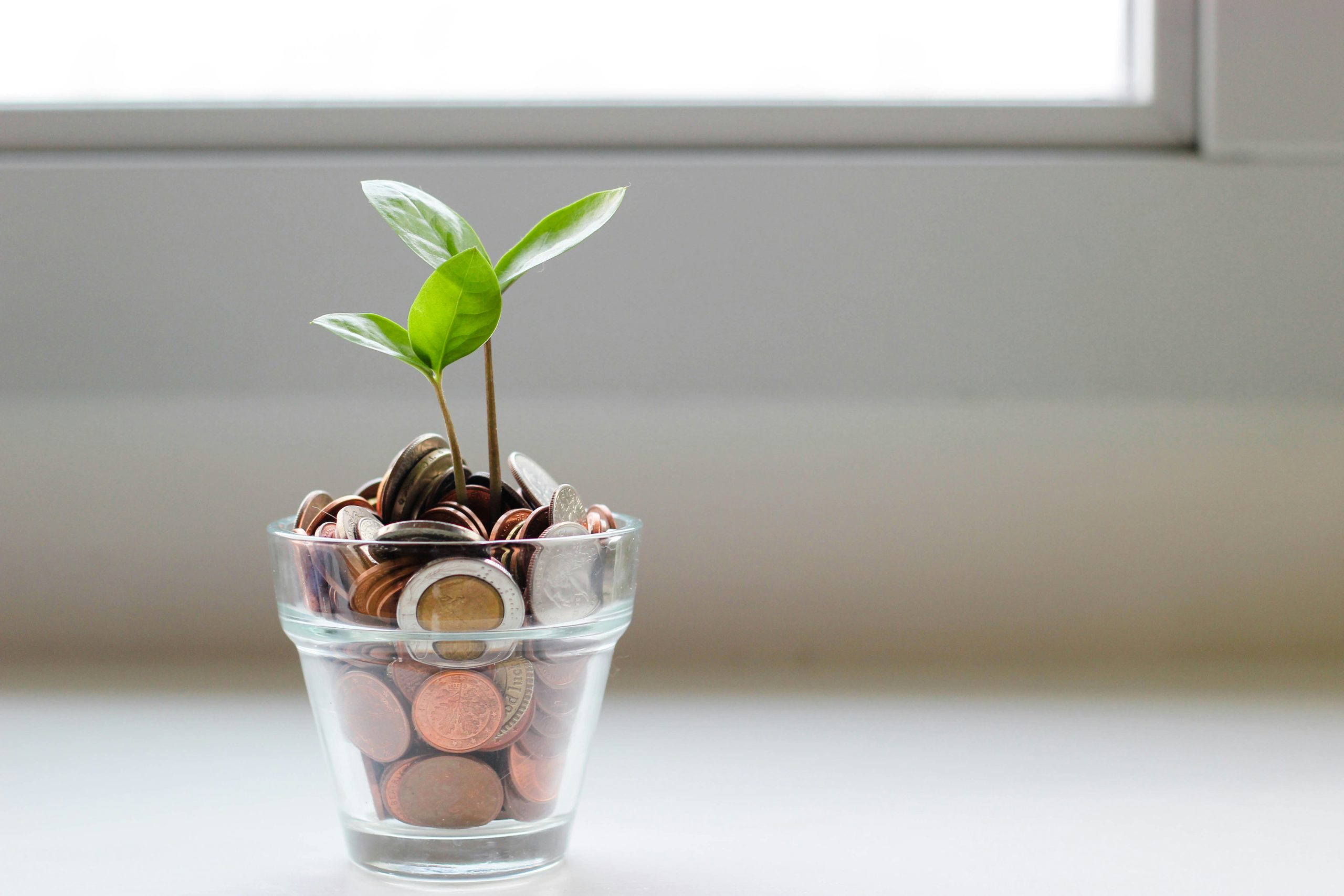
source: Unsplash

Shape the conversation

Do you have anything to add to this story? Any ideas for interviews or angles we should explore? Let us know if you’d like to write a follow-up, a counterpoint, or share a similar story.