


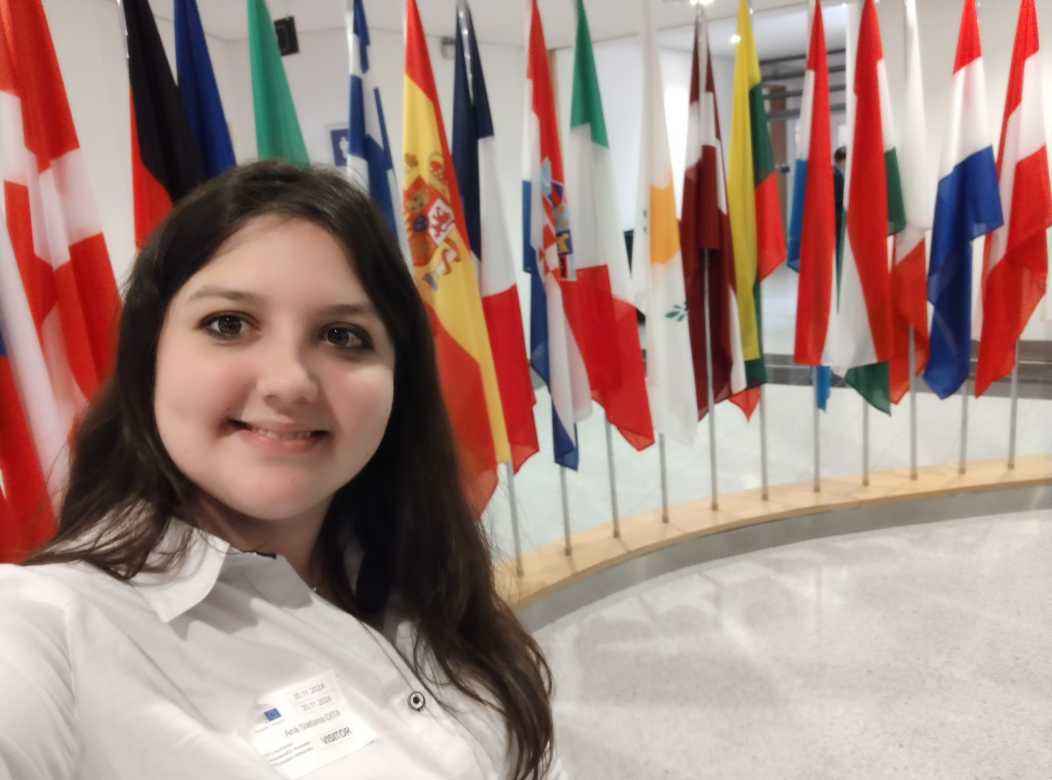
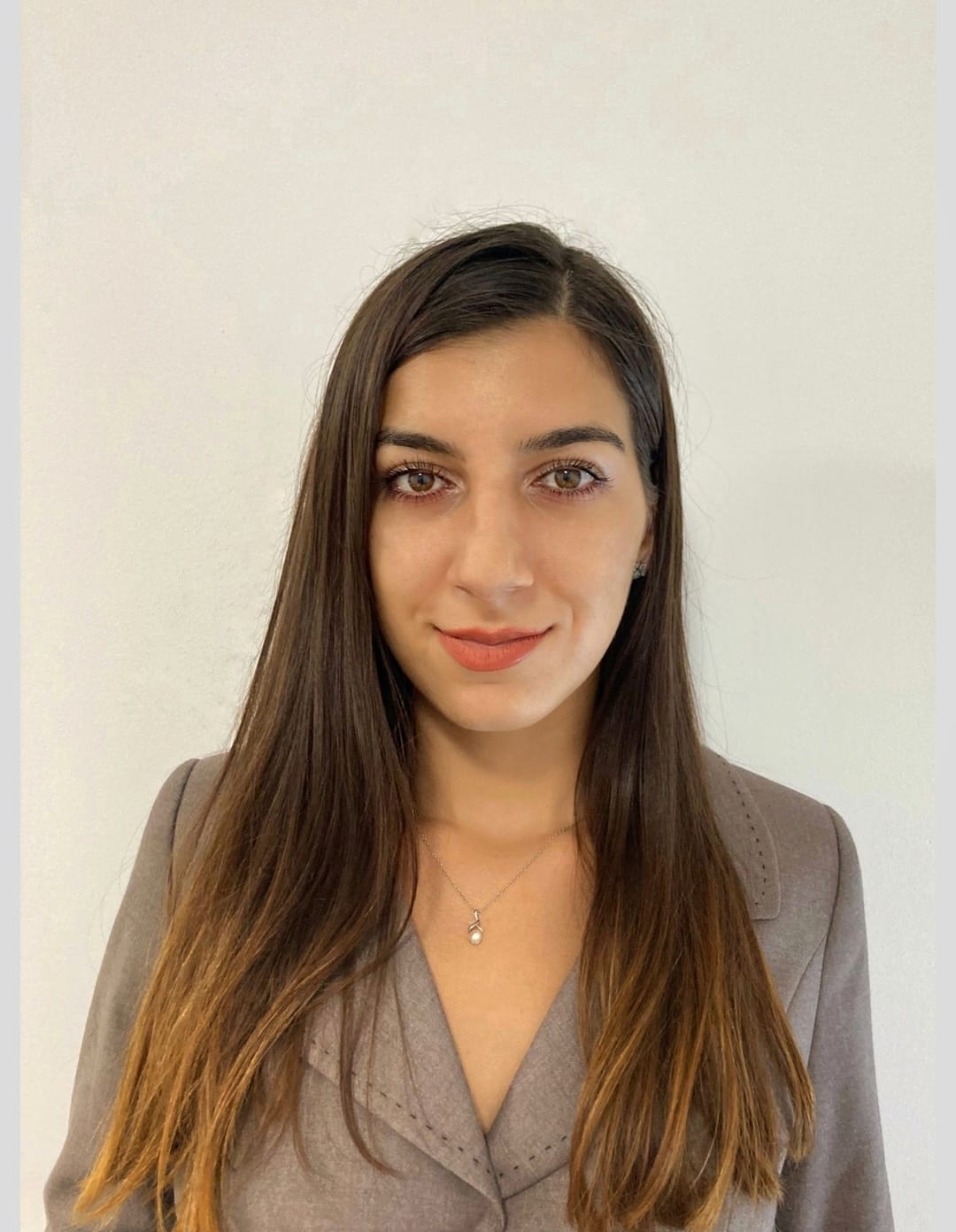
Marina Corneliu, a promoter of European democracy and GEYC ChangeMaker, spoke with student Ana-Ștefania Diță about the impact of ERASMUS experiences. She emphasized that these mobility programs show that stereotypes have no place in society, and that young people from different corners of the EU are, in fact, curious and eager to bring about change, benefiting enormously from non-formal education.
Marina Corneliu, an active voice in the promotion of European democracy and an activist for the rights of persons with disabilities, recently shared valuable insights about her experiences within the ERASMUS programs, in a video dialogue with Ana-Ștefania Diță, a student at the Faculty of Journalism in Bucharest.
One of the most important lessons Marina learned is related to diversity and acceptance. She argues that even though we are different, stereotypes should not have a place in our interactions, warning that not even jokes about places of origin are appropriate in the context of international projects.
“The longer you spend a week with those foreign people, you realize that, although you come from totally different places, from different corners of the European Union, you are much more alike from many perspectives—you are curious, you are eager to change something,” Marina explained.
The guest also highlighted the major impact of non-formal education: “Many times we are aware that non-formal education brings far more benefits to the table than traditional schooling in Romania can.”
All these elements—the rejection of prejudices, the discovery of a common purpose, and the benefits of alternative education—are what create the strong spirit of the ERASMUS community and the “sense of attachment” (or “dependency”) that participants develop towards these mobility programs.
Interview by Ana-Ștefania Diță | Podcast editing: Mădălina Mihai
This podcast in Romanian is part of PulseZ. #PulseZ