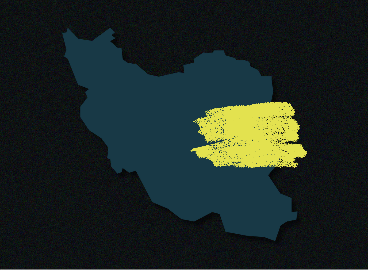
From climate change to the tragedy at Praid
For some, climate change doesn't mean much—just some glaciers melting in a hurry or temperatures that can terrify people—but this can lead to natural disasters that become true tragedies, as we witnessed at the Praid Salt Mine. More than eight months have passed since Romania witnessed a disaster in the heart of Harghita, in Praid, where since May of last year, states of alert seem to continue without stopping. The Praid Salt Mine was flooded after the flow of the Corund stream rose abruptly, and the press reported even then that all the water overflowed into one of the most important tourist attractions in the country. Shortly after this incident, both tourism and production activities at the salt mine were halted. Consequently, Romania lost control, and authorities and organizations began to worry. We spoke with several representatives of civic organizations to find out how they managed the period when the Praid Salt Mine was flooded, what solutions they propose to fix the problem, and how to prevent possible incidents through awareness of climate change issues. "Only 4% of Romanians consider climate change a national priority. Awareness of the impact on agriculture, water, economy, and health does not yet translate into a strong demand for climate action," said Dragoș Tuță, President and Founder of the Sustainability Embassy in Romania. "In a democratic society, messages should be transmitted by citizens to political leaders through collaboration with civil society." Public policies are necessary to reduce climate risks, but involvement from everyone is also needed to protect vulnerable communities and contribute to the fight against climate change through initiatives accessible to the general public. climate change through initiatives accessible to the general public.
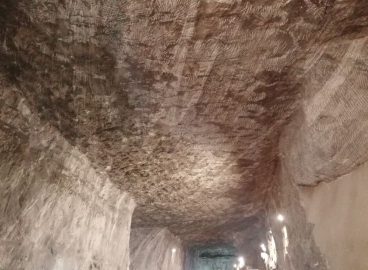
Experts warn EU on climate plan: what does the recommendation say?
EU scientific advisers have warned Brussels against using more "flexible" pathways—including international carbon credits—to reach its 2040 climate target of cutting greenhouse gas emissions by 90-95% compared to 1990 levels.
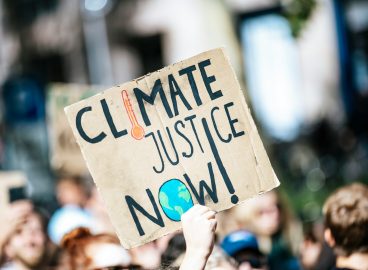
Step back on the Green Deal, the European Parliament wants to reduce environmental constraints for companies.
The European Parliament is considering a proposal to limit the companies subject to sustainability rules, raising concerns about a potential weakening of the Union's environmental and social commitments. The decision will impact the EU's role in the ecological transition and global competition.
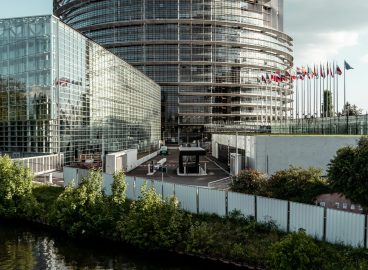
What the European Union is doing for mental health
The European Union has launched several initiatives regarding mental health. Since the Covid-19 pandemic, the issue of psychological well-being has become increasingly pressing: even before 2020, approximately one in six people in the EU had mental health problems, and the problem has only grown.

What changes to carry-on luggage on airplanes with the EU proposal? Airlines: "Tickets will be more expensive."
The European Parliament is working on a proposal to require airlines to include carry-on baggage in the price of the basic ticket, without extra charges. Meanwhile, low-cost airlines continue to oppose it, threatening price hikes for all customers if the law passes.

International Women’s Day: Conversations on Opportunity and Support with Roberta Metsola
Marking International Women's Day alongside the President of the European Parliament, Roberta Metsola, brought together young women for an evening of discussion and connection. Through an open panel and networking session, participants reflected on opportunity, competition, and the importance of women supporting one another.

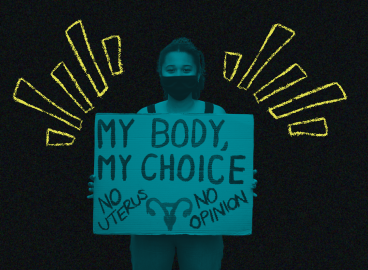
Two EU countries still deny women the right to choose
If you zoom out and look at the European Union as a whole, you’d expect women’s rights to sit at the core of “European values”—and yet two EU countries still deny women the right to choose. What looks like a settled principle on paper becomes, in practice, a fault line.
Before the Rubicon: Southern Europe, the Iran War and the logic of hegemony
Europe, neighboring the Middle East, was not asked. It was not called, not consulted. The operations were decided in circles of power from which Europe was absent — and their consequences, the waves of instability — it will be Europe that is called to manage them. Rubicons, however, are never announced; they are recognized only after they have already been crossed. And when that moment comes, there will be no 'protocol' left to invoke, because we will have helped erode it ourselves.