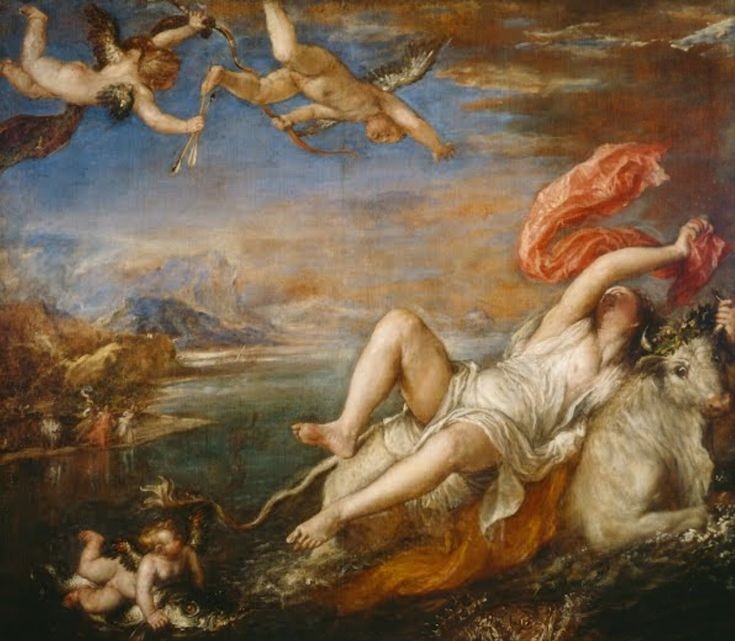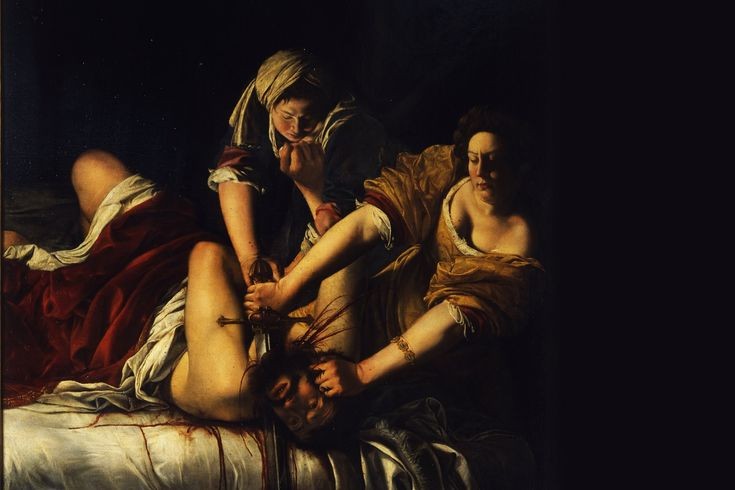
Western art history, extensive as it is, does not hide its demons. It portrays them, masterpieces depicting women in their moments of despair, statues of terror and violation. Those paintings and sculptures are wildly cherished as representations of technical and artistic brilliance, and the spectators fall prey to that idea. The composition of the humiliation, the choreography of the sexual pursuit, the drama of the abduction, instead the gruesome narrative.
The paradox of this raises a question, we as the viewers, would prefer not to speak out loud. Why has female suffering been transformed into something to be admired?
From mythological depictions and biblical imagery, artists repeatedly have painted women’s vulnerability into a spectacle, a show of true artistry. Western canon has been sculpted by the cultural traditions, the myths and the legends, the patronage of what modern media calls the male gaze. Investigating those ideas allows for the understanding of the brutal pattern.
Divine Permission
The inspiration for many of those violent famous works stems from classical mythology. Metamorphoses by Ovid, The Iliad & The Odyssey by Homer, the Bible itself, are a breeding ground for the romanticization of female suffering, providing artists with the dramas, the tragedies full of pursuit and divinity, needed for the inspiration of such masterpieces.
Myths such as the abduction of Proserpina, the rape of Europa, the mass kidnapping of Sabine women have become some of the most famous depiction of antiquity in Western Canon.
With those stories belonging to the classical culture, which was all the rage back in the Artistic capital of the West, Rome, those stories were thought of as passion plays rather than as humiliating violations of a woman’s autonomy. They became appropriate themes in high art, and rather opportune ones, allowing artists to explore nudity, pursuit and passionate struggle, while maintaining their prestige among the intellectual society.
Which would explain why those renderings of sensual violations can be found in churches, palaces invoking awe at the mastery of the artist, rather than moral discomfort against obvious violence.