


Meta, the company that owns Facebook, Instagram, WhatsApp and Threads, has stopped running paid advertising on political, election and so-called social issue topics across the European Union. The reason is the new Transparency and Targeting of Political Advertising (TTPA) law, which requires platforms to clearly state who is funding it, who is targeting it, how much it cost, and to store it in a publicly accessible archive.
Meta says these requirements are a “ significant operational challenge and legally unclear” for it, so it prefers to turn off ads entirely.
Practice shows that this measure complicates the work not only of politicians, but also of third sector organizations that deal with social issues.
Nonprofits with social themes are particularly suffering.
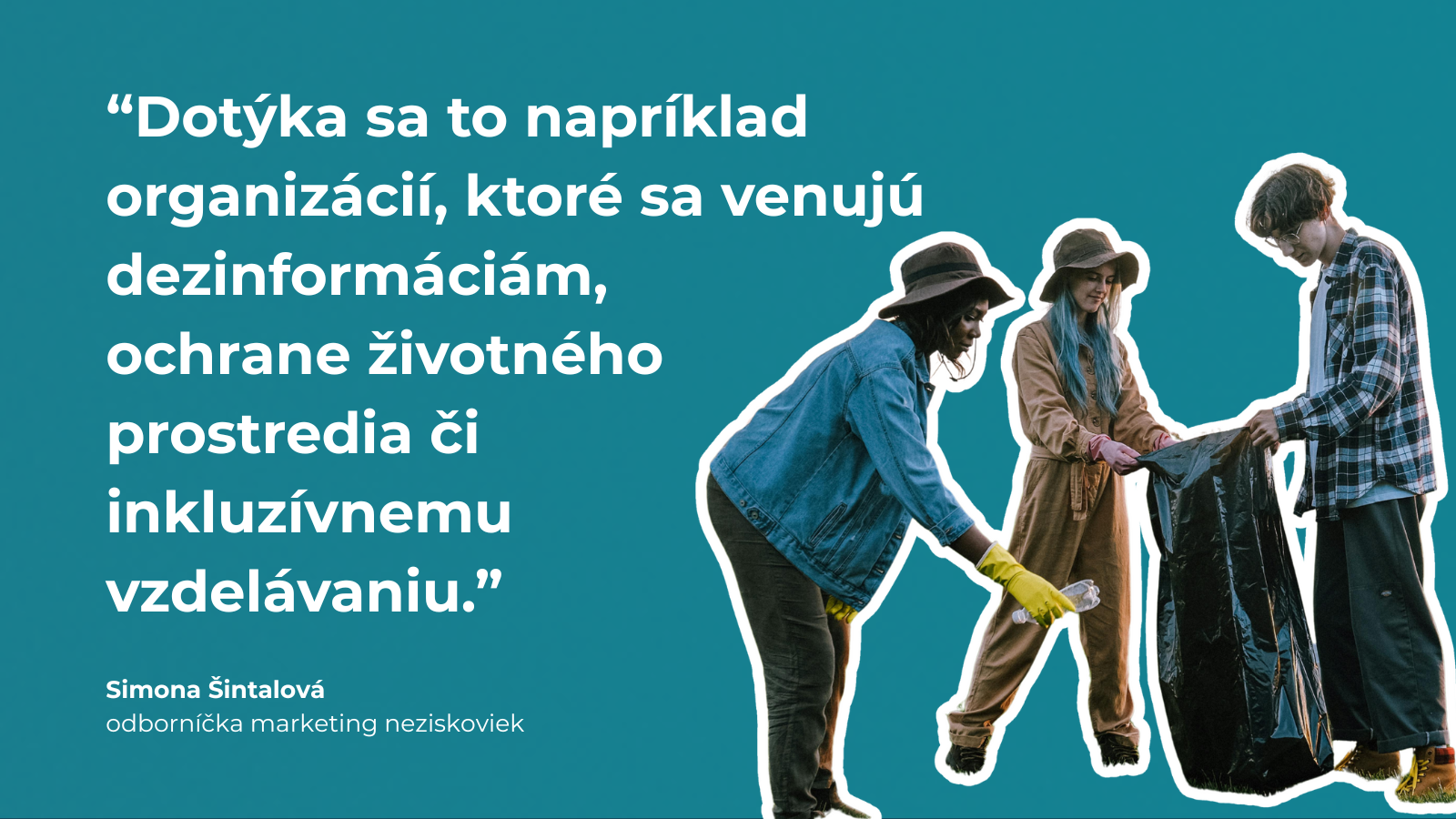
“This new measure complicates the functioning of a wide range of organizations. For example, those dedicated to combating disinformation, human rights, environmental protection, or inclusive education,” explains Simona Šintalová, a marketing expert for non-profit organizations from the organization PANČ-PANČ.
He adds that for many of them, paid advertising on Facebook or Instagram was the only tool to reliably reach the people they needed to get their attention – parents, young voters, or local communities.
There is a lack of transparency in the entire process.
“At first glance, it might seem that banning political advertising on social media will bring us more peace or less polarization. On the other hand, it must be said that politicians know very well how to get their content to voters without spreading their posts using paid advertising. They have various proxy channels for this, or specific people who spread their messages among the broad masses of people. And often not for free,” adds digital citizenship expert Andrea Cox. She adds that thanks to these people, the content reaches the public in an authentic and viral way.
He adds that non-profit organizations do not have such options and do not want to use them for ethical reasons.
He also sees a major shortcoming in the ad review process, which lacks clear criteria. As a result, organizations don’t know what content they can and can’t sponsor.
Topics about democracy and freedom were also put on hold.
November 17th is the Day of Fight for Freedom and Democracy in Slovakia. While in the past this date was a day of rest, this year the government canceled it as part of the consolidation measures, so people went to school and work. However, on this occasion, many institutions, organizations and schools published various content on social networks related to the topic of freedom.
“One school, for which my team and I take care of social media, created a social game for families that focused on the theme of freedom. We wanted to get this game to the widest possible audience, so we planned to sponsor a post about the game on social media,” Simona Šintalová explains.
Shortly after setting up the social media ad, they received an email saying that the post had been disapproved for sponsorship. The email stated that Meta had determined that the post dealt with social issues, elections, or politics and was in violation of the company’s advertising policies.
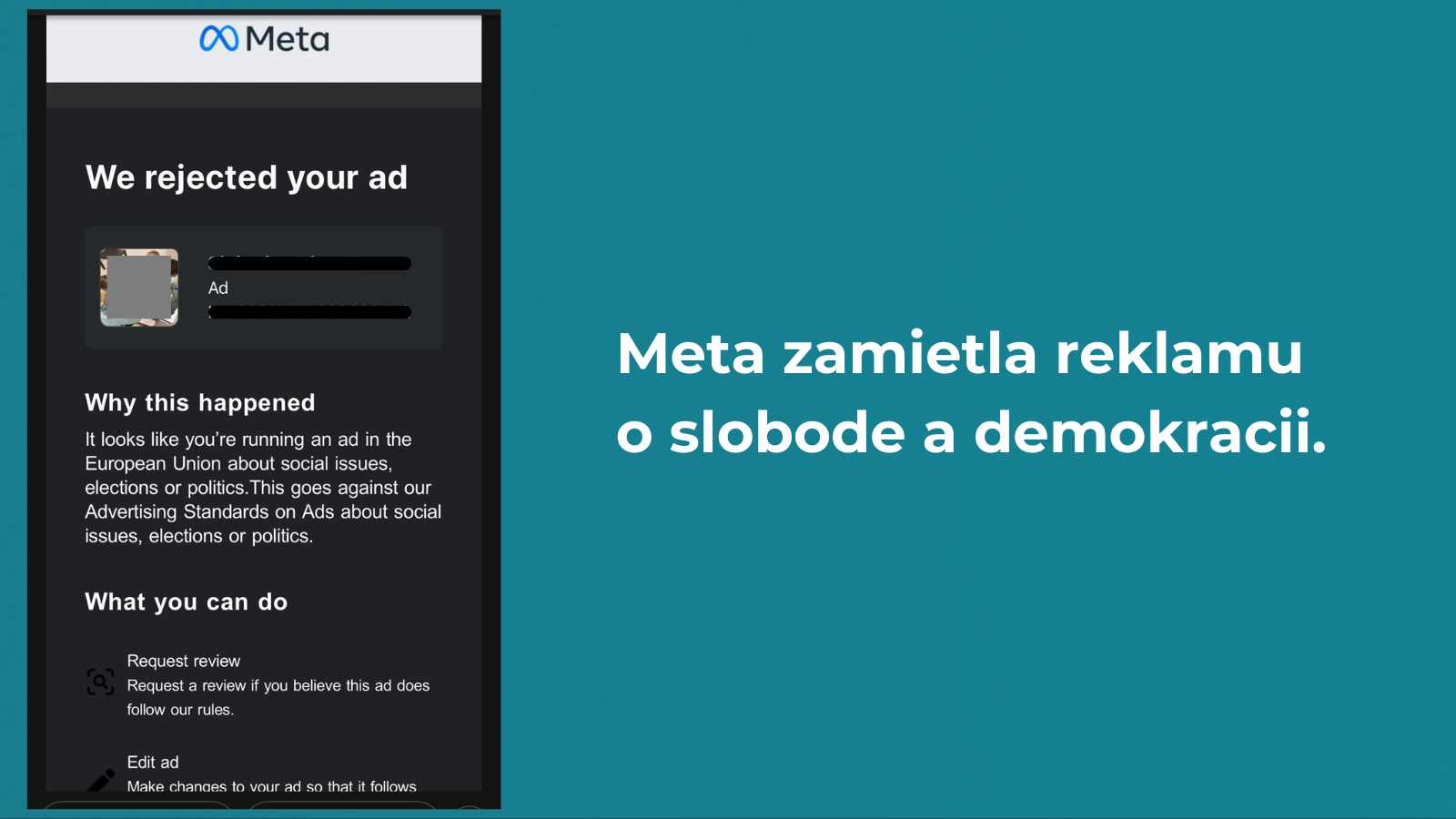
“We were extremely surprised. It was an innocent post that had nothing to do with politics. It only mentioned words like democracy or freedom. In such a case, a person doesn’t have many options. Either file an official complaint, which can drag on for weeks, or rewrite the post to be more neutral,” explains the marketer.