


How did Úsmev come about, please? What was the first impulse that led you to found it?
I have a brother with Down syndrome, so I have been part of the community of people with disabilities my whole life. Since I was little, we have been going to various stays, camps and one-day events where families with members with Down syndrome would meet. I have always felt very comfortable in this community. I have never perceived these people as inferior, on the contrary – meeting them has been inspiring for me.
During high school, I was involved in the KomPrax youth development program. Its goal was to learn how to write a project and then implement it with financial support. That’s when I came up with the idea of a sports event for an association dedicated to people with Down syndrome in Orava (Slovakia). I called my friends there as volunteers and the event had a very good response. I called it Smile, Please.
Several years passed and I was writing my bachelor’s thesis on volunteering in tourism. In connection with my bachelor’s thesis, I signed up for a training course organized by NIVAM (then IUVENTA), which focused on writing solidarity projects within the framework of the European Solidarity Corps. The lecturers there motivated us to write our own solidarity project. At that time, I didn’t have a completely new idea, so I returned to the original idea of Smile, Please.
This time it was supposed to be about various activities for people with disabilities – a Christmas party, hippotherapy and other events. When I presented this idea, the trainers really liked it, so I decided to apply for a real grant. At first, we functioned with my friends as an informal group, and today we are an official civic association.
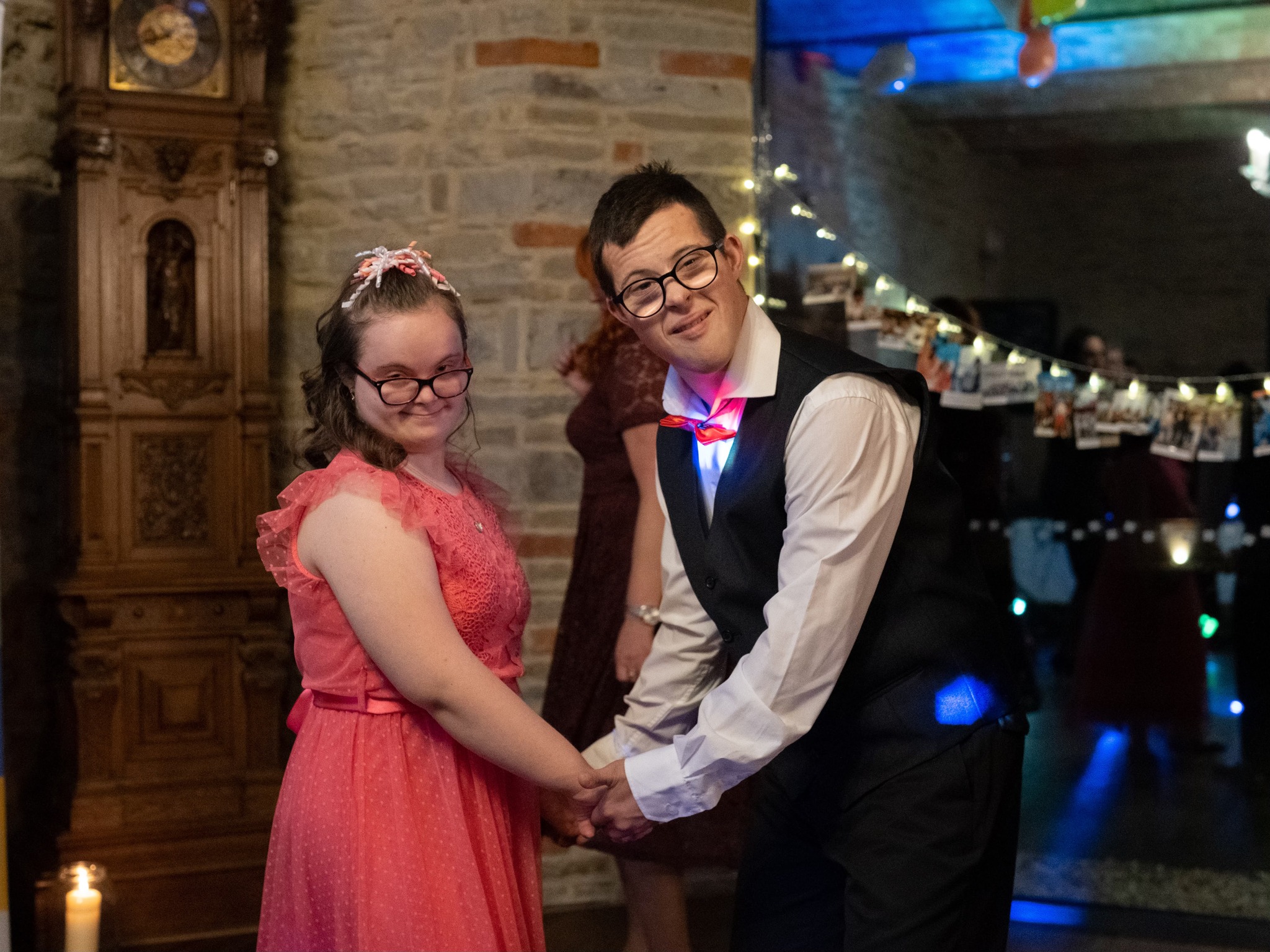
They organize one-off events and regular clubs for children and young people. Photo source: Smile, please
Today you no longer operate in just one city, but in the entire Žilina region. How should we imagine your work?
At first, we mainly did one-day community events. It was great, but gradually we felt that our target group needed more. It wasn’t enough for them to have a good time every now and then – they needed a regular space to meet and socialize.
After less than a year of operation, we therefore launched regular clubs. At first, it was an art and sports club during the week in the afternoon. It gradually grew into what it is today – we currently have seven clubs: art, artefelatics, swimming, sports, hiking, canistherapy and music therapy.
Our target group is children and young people from 2 to 30 years old, but we also have older participants. During the day they are mostly at school or daycare, but in the afternoon they often have no way to socialize and stay at home. And that is exactly what we wanted to change.
We currently have approximately 65 participants and we run classes every six months. For example, we plan to open a drama class in January.
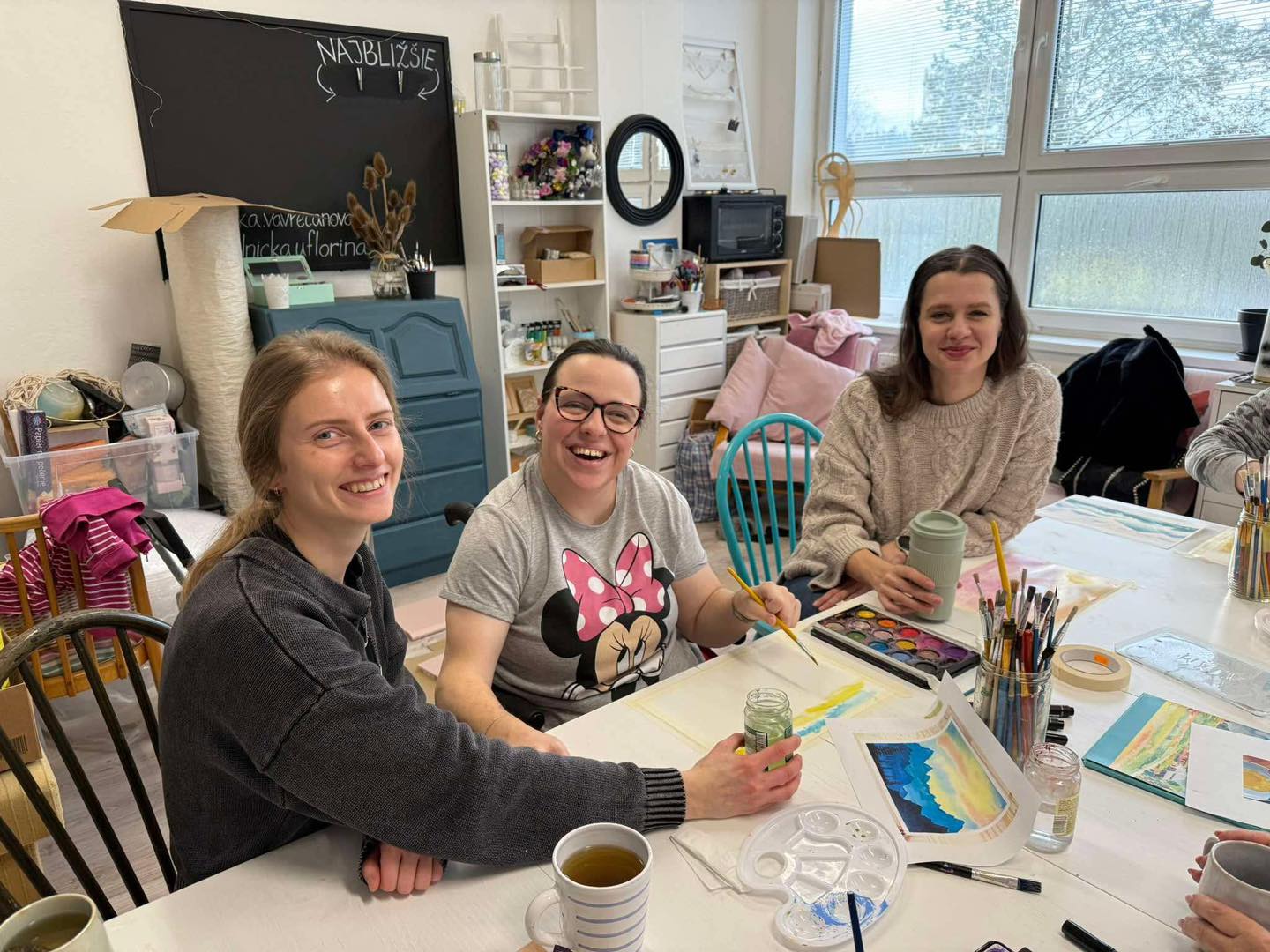
They offer 8 different groups for children and young people. Photo source: Smile, please
Where do you find the lecturers who work with the participants?
In most cases, they come to us on their own. They are either people from our community or people we have good references for. Of course, they must be certified in their field. However, it is also very important for us that they also have a relationship with people with disabilities.
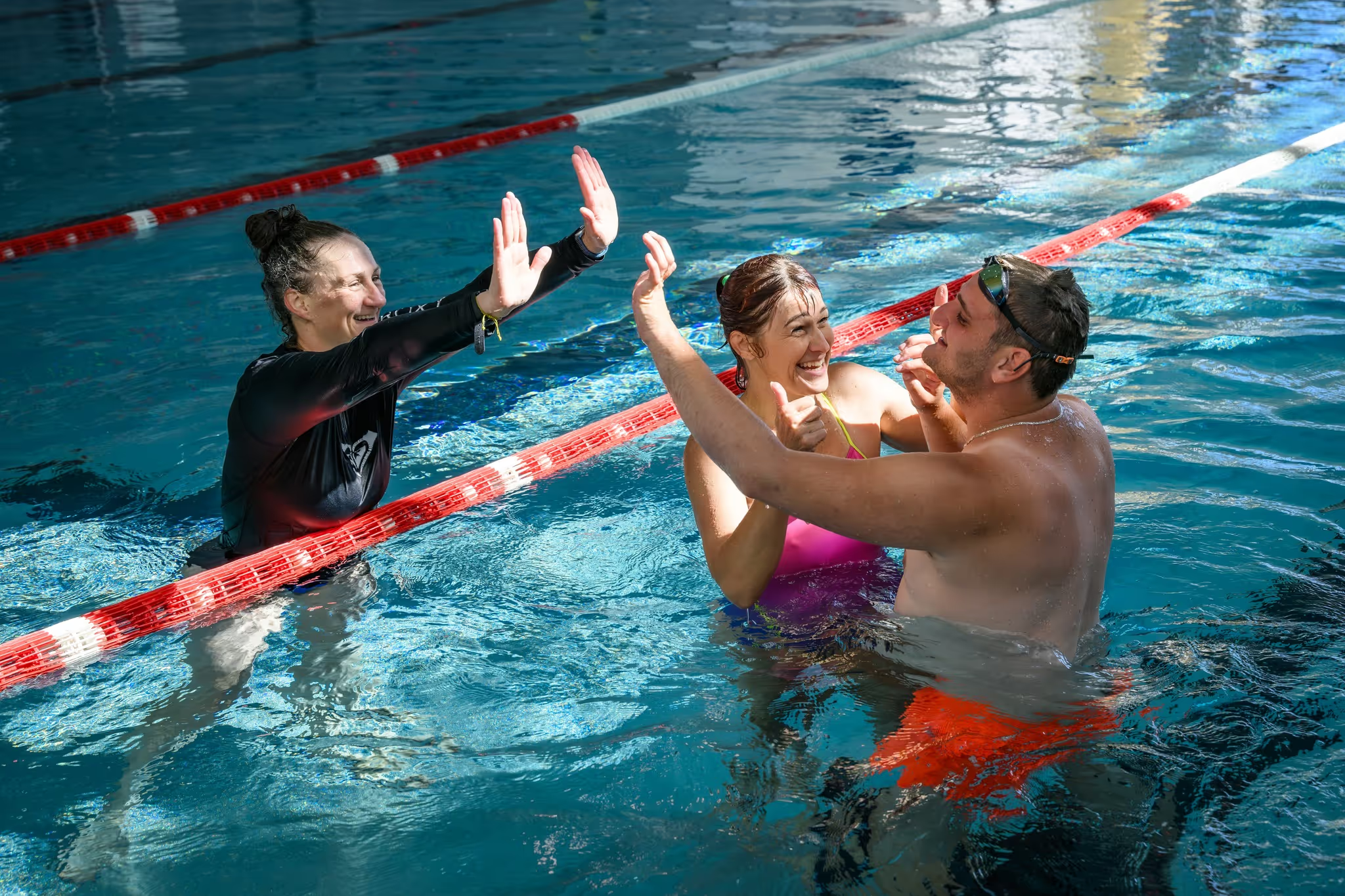
They are looking for tutors mainly in the community. Photo source: Smile, please
What would the lives of these families be like if Smile, Please didn’t exist?
If we didn’t do these activities, these people would mostly just be at home with their loved ones. I see this very clearly in my brother. He is at home during the day and doesn’t go to daycare. The clubs literally gave him a second wind in life.
He looks forward to them very much, he has a precise plan of when and where they take place, and thanks to that he also has a routine. At the same time, he is surrounded by a respectful community. This gives a lot not only to children and young people with disabilities, but also to their families. They have something to talk about, they can share similar topics with each other and support each other in difficult situations.
Relationships then deepen outside of the groups – families also meet at home. For example, two of our group participants recently went on dolphin therapy together in Egypt.
When you founded Úsmev, plesí, were you prepared for it to grow to such proportions?
I always wanted to do something of my own and I’m very happy that I got to do it. However, if someone had told me at the beginning what to expect, I probably wouldn’t have gone for it. We also went through difficult situations, especially in the beginning.
When I founded the organization, I was 21 years old and didn’t have much experience working in a team. It was challenging for me to surround myself with people who shared the same values and resonated with this idea.
It’s also challenging for me to have a brother with Down syndrome at home and to deal with these issues at work. I have to be careful not to overwhelm myself.
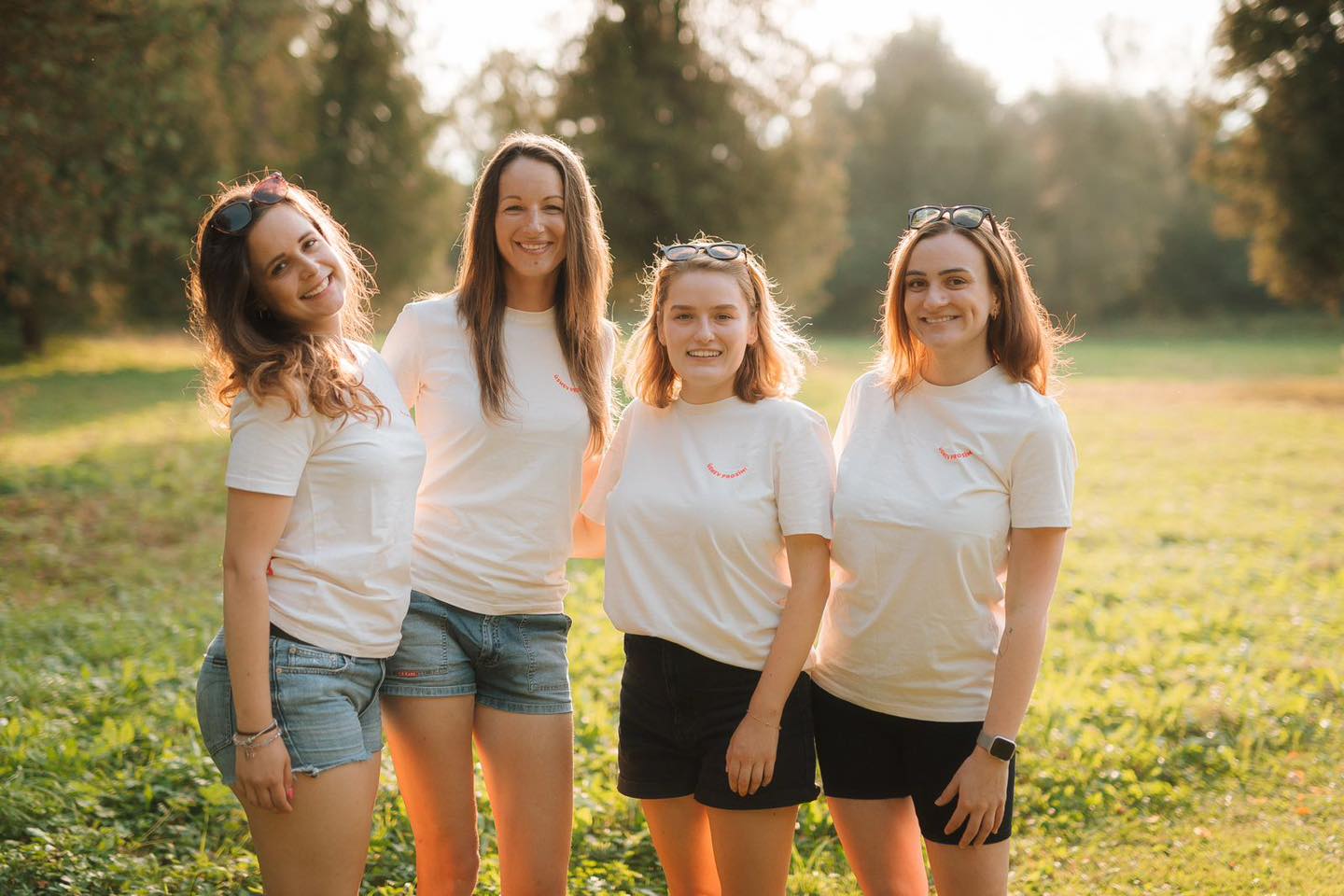
Today, the organization consists of a stable team of 4. Photo source: Smile, please
How do you take care of your mental hygiene and balance?
I’ll be honest – it’s challenging. At first, I thought that Smile, Please could be my full-time job. But I gradually realized that I needed to do something else. Dealing with the same topics at home and at work is extremely exhausting.
That’s why I also have other work activities that help me maintain balance and rest from these topics.
How is Smile, Please, funded?
We have membership fees that are paid by the participants. We try to set them up so that everyone can afford them, because these families have a lot of expenses on top of that. In addition, we receive funding from grants, various companies contribute to us, and we also have an income of 2% from taxes.
In recent years, there has been discussion about the possible abolition of the 2% tax. How would such a change affect you?
This would really jeopardize our functioning. Since last year, we have had a rule that parents can look for 2% donors in their area. If they succeed, they will use these funds as credit to cover the clubs for their children. If this option did not exist, the clubs would be in jeopardy for many families.
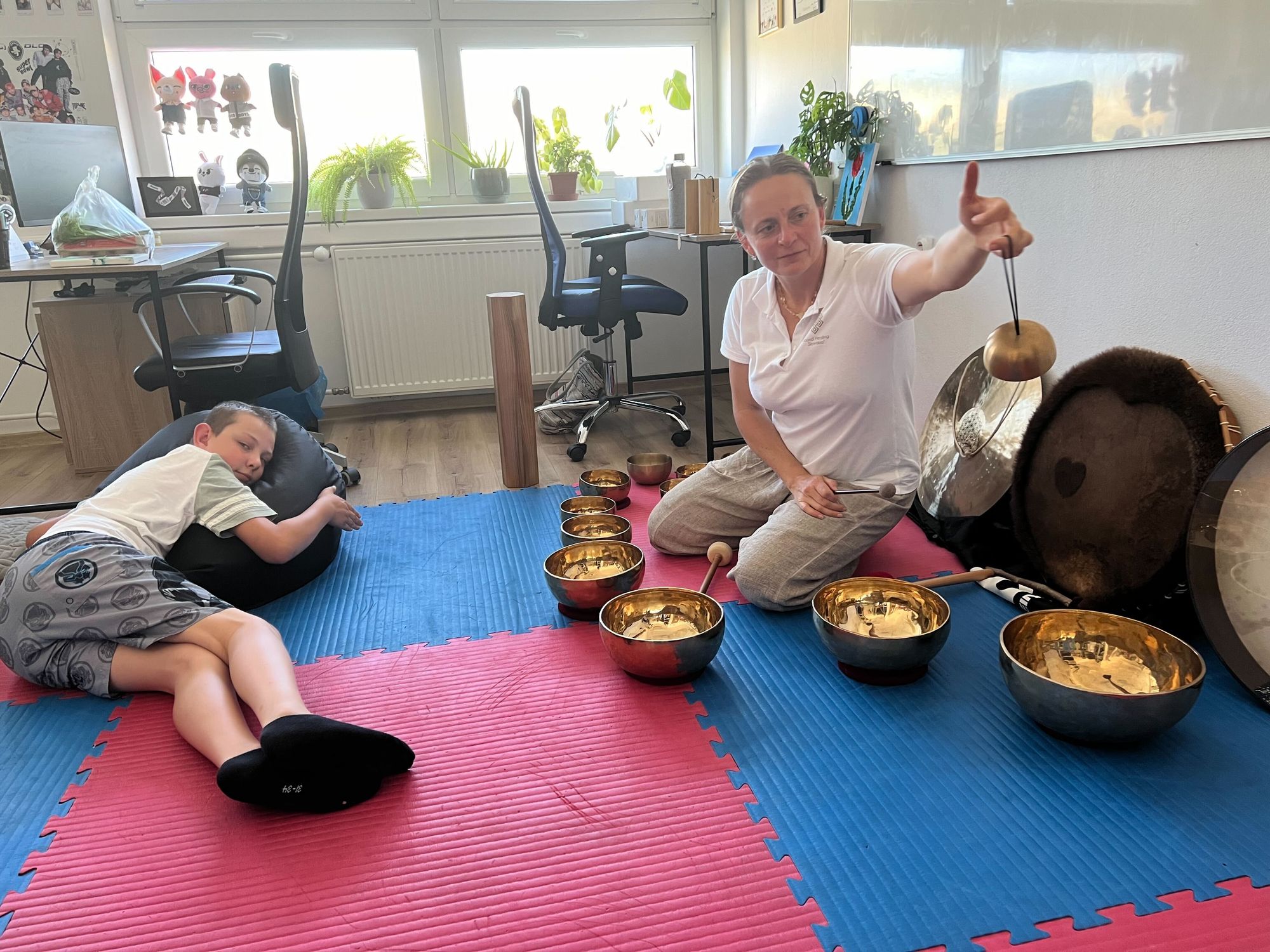
They also finance the rings with two percent. Photo source: Smile, please
You say it’s challenging, but what does this job give you?
Community is very important to me. I’m quite community-minded, so this is the number one benefit for me. I really like our volunteers – they’re really amazing. I also really like working with our whole team.
There are four of us in the team and we have approximately fifteen volunteers of different ages – from 20 to 65. I like that our four-member team managed to transfer our vision to the volunteers, thanks to which we cooperate very well and things move forward more easily.
At the same time, I learned a lot thanks to Úsmev, please. I was thrown into the water and today I can draw from it in other work projects. If Úsmev didn’t exist, I wouldn’t have these skills and I certainly wouldn’t be able to apply myself where I work today.