A New “Spring of Nations”: Generation Z Takes to the Streets
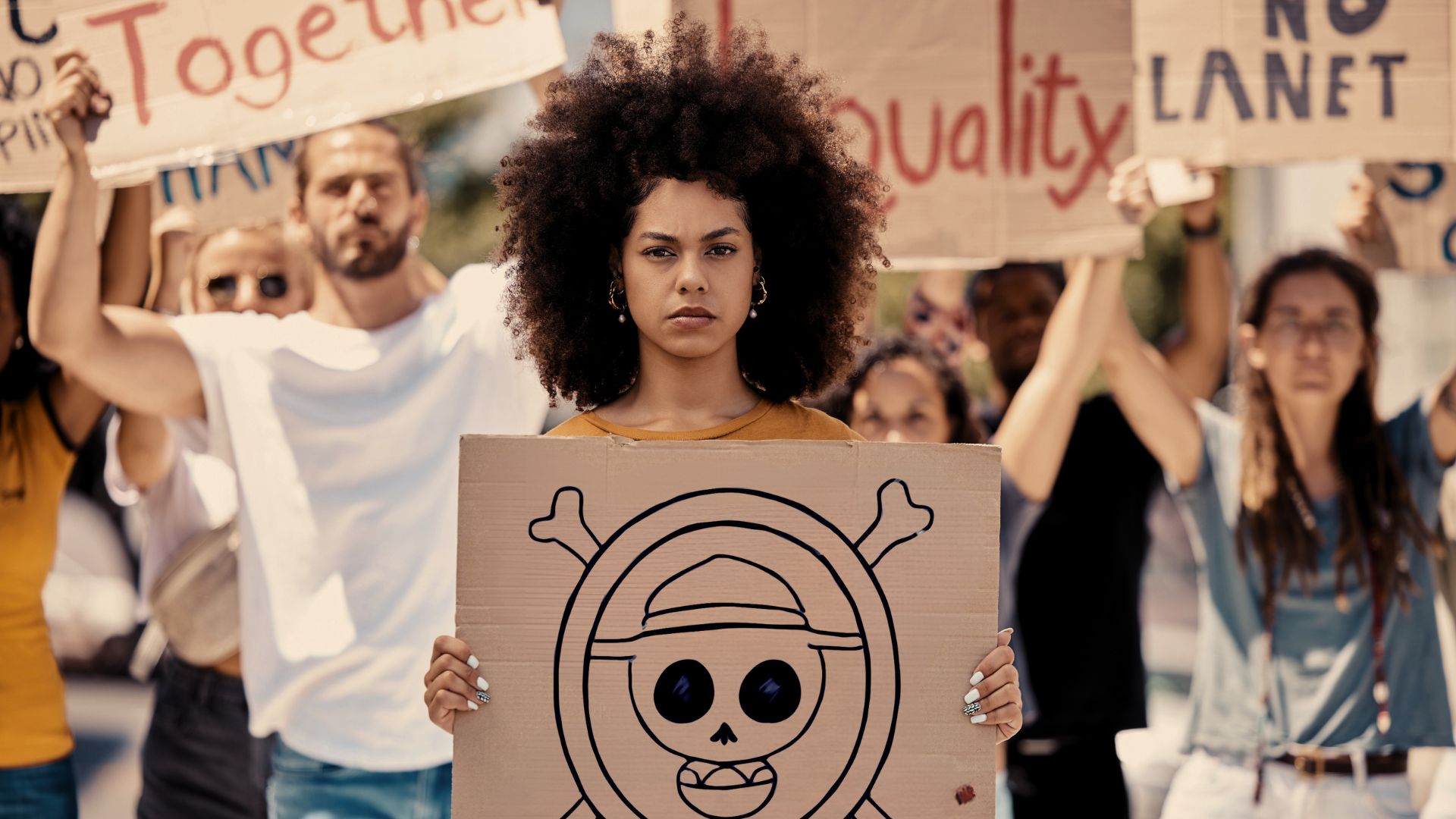
On May 13 Square in Antananarivo, in the heart of Madagascar, thousands of young people sang, danced, and waved flags featuring a skull and crossbones—the symbol from the iconic Japanese anime One Piece. For them, it was more than a pop culture icon. It had become a sign of rebellion—a protest against stagnation and a corrupt system.
When Colonel Michael Randrianirina announced on state radio, “We have seized power,” the crowd cheered. Just hours earlier, the military had sided with the Generation Z protesters—young, frustrated citizens in a country where power and water outages are a daily reality, and 400,000 people enter a job market that cannot absorb them each year.
Madagascar became an unexpected epicenter of a new wave of social unrest, unified by a common factor: people born after 1995. Their language is no longer party manifestos but memes, music, animation, and internet symbols.
Generation Z, once described by sociologists as “tired of the adult world,” is now emerging as a political force—perhaps the first global generation capable of sparking something akin to a new “Spring of Nations.”