



This article explores the alarming parallels between the Y2K era’s eating disorder epidemic and today’s “wellness” trends. By examining the evolution of the “trend cycle” and the glamorization of mental illness in media, we uncover how modern influencers and the fashion industry may be fueling a new wave of orthorexia and exercise bulimia. It is a vital look at why we must separate self-expression from body-shaming and hold brands accountable before another generation falls victim to the “size zero” trap.
Pilates Princess, Protein boom, and gut “cleansing” drinks have at least once come up on your feed while scrolling TikTok. Oftentimes, they are just harmless vlogs of “day in my life” or “come with me to the gym,” but have you noticed what fashion trends have emerged from the late 90s and 00s alongside such “healthy lifestyle promoting news” promoting videos? According to Vogue, “If you haven’t heard, skinny jeans are back. Over a year ago, when low-slung skinnies walked the runway at the Miu Miu fall/winter 2024 show, we knew this denim trend was bound for a comeback. Thanks to an influx in 2000s-inspired fashion seen on the runways the past few seasons, and a new way of shopping, where vintage and consignment platforms have increased tenfold, it truly feels like every generation is jumping in on the revival. But the real proof of any trend’s staying power is when the It girls start wearing it, and a handful have certainly been leaning into skinny jeans as of late.”
Example of yet another fashion Trend making a comeback is athletic wear as streetwear. Juicy Couture’s tracksuit was a staple in every “it girl’s” wardrobe. Paris Hilton, Beyonce, Britney Spears, and many other stars of 90s were parading the legendary velvet tracksuit around the cities of Los Angeles and New York. In 2026, that same aesthetic has evolved into an athletic look, think fitted zip-up jackets paired with flared yoga pants,
What other trends or aesthetics emerge when one reflects on the Y2K era? At the time, one of the most notorious aesthetics to sweep the scene was ‘Heroin Chic.” The goal was to achieve a sickly-looking pale skin tone, dark undereye circles, and a very slim, almost bone-ish figure. The “body goals” were considered women like Kate Moss and Jaime King. While there is no intent to cast judgment, it must be recognized that these women, during their peak of fame, were severely struggling with body image, Eating Disorders, and Addiction. Super models opened up years later about the ugly truth that went on behind the scenes of the “glamorous model lifestyle”. In an interview with the BBC, Kate Moss stated that she regrets saying her infamous line, “nothing tastes as good as skinny feels.”
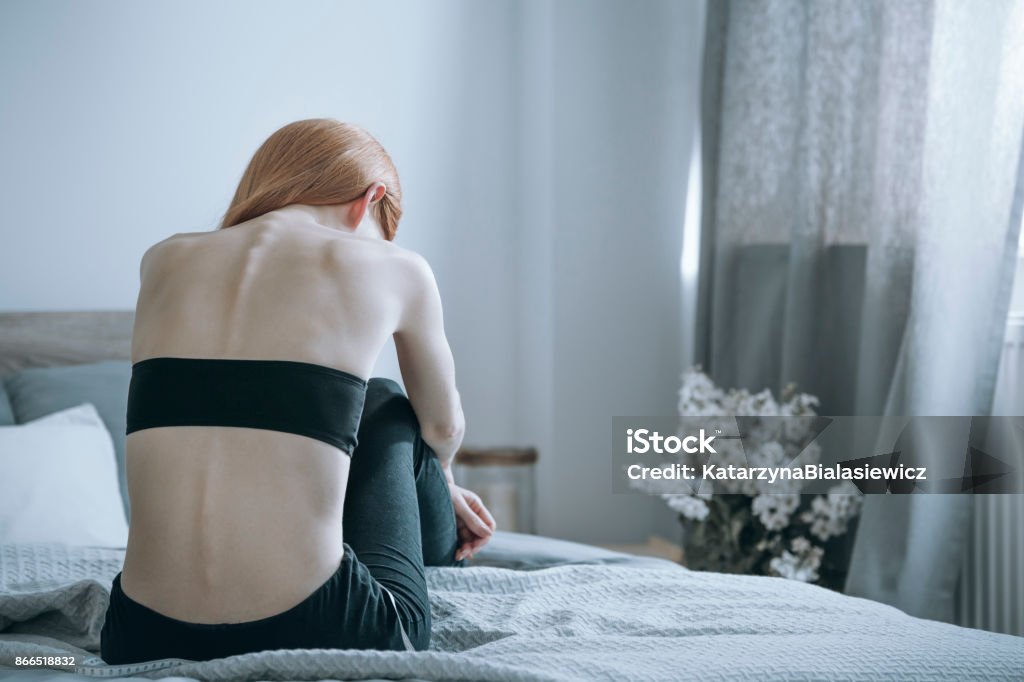
Besides the harmful diets that were encouraged on teenage-targeted platforms such as Tumblr and Twitter, substance abuse was also promoted. The name itself says everything: “Herion Chic.” Diet Bloggers suggested smoking cigarettes to suppress appetite, over-the-counter weight loss medications, and laxatives to speed up the progress.
Between 2000 and 2015, eating disorders in both the United States and Europe showed according to the “National Library of Medicine” a clear upward trend in prevalence and diagnosis rates, particularly among young women. At the same time, anorexia nervosa remained the deadliest psychiatric condition, with long-term mortality reaching up to 20%, reflecting both medical complications and suicide risk.
Evolution of Y2K-inspired fashion, Ozempic, lifestyle disguised as healthy
It’s no secret that fashion trends recycle themselves. You won’t wear anything that hasn’t been worn before. Fashion trends recycle themselves through a 20-30 year “nostalgia cycle,” where styles from previous decades are reimagined by new generations, driven by social media, vintage reselling, and consumer desire for novelty. This process involves designers reinterpreting past aesthetics with modern twists, often shifting from one extreme to another. According to satrioal magazine artice “Full Circle: How Fashion Keeps Repeating Itself” written by Alexis Loftis “This feeling of nostalgia is a common occurrence in the life of many older Gen Zers. What was once “ugly” is now cool, even edgy and chic. This phenomenon called the “trend cycle” describes the repeated rise and fall of popular fashion and media. For instance, we saw specific styles during the 1950s that are notable of the time. Long circle skirts, fitted tops, bold lipstick, big hair, bangs, and fun patterns like stripes or polka dots all became prominent pieces of this era.”
We can’t forget that fashion and what we wear is just a small part of a subculture we (in)volunterily follow. Alongside clothes and accessories being recycled, the forgotten movies, books, songs, and other pieces of self-expression come back, bringing us back to that era. The Entertainment Industry offered young audience “relatable characters”, a very good example of this is the movie “Thirteen”, where the main character Tracy starves herself, and Cassie, from the Show “The Skins”, who has been to a mental hospital because of Anorexia Nervosa. While some think that these characters bring awareness about the EDs for many, it seemed that, through these characters, mental illnesses were glamorized.
Aside from that, diet culture, the desire and pressure to have a certain body type, to look like a certain celebrity, never went away. Women’s body types have always been depicted in society and the media. Compared with the high mortality risk associated with the ‘Heroin Chic’ and skinny-focused aesthetics of the 90s–00s, the recent BBL trend, though impactful in shaping body ideals, has been less directly associated with life-threatening health outcomes; it wasn’t as big a discussion topic as its predecessor. Therefore, it was just a matter of time till the thin would be “in again.”
Another reason why “thin” is considered “ in” again is the popularisation of “weight loss” medications (once again). Ever since“Ozempic” hit the shelves, the FDA-approved drug has been available since 2017, originally meant to treat type 2 diabetes. More and more celebrities, influencers, and role models started bluntly promoting it. According to npr.org, “Ozempic and a similar drug, Wegovy, are weekly shots you give yourself that cause the body to produce insulin. Insulin lowers blood sugar, slows digestion, and makes people feel full. Carter-Williams tried it and was amazed.
“You are not hungry,” she says. “Like, I actually have to set timers to make sure that I do eat, because otherwise you actually forget to eat. “Carter-Williams’ weight started to drop right away, and her cholesterol and blood sugar levels started coming down. She and her doctor were thrilled. But almost as soon as she started seeing results, she ran into trouble. “I was going to renew my dosage, and they were like, ‘Oh, we don’t have it.'”

Similar extreme weight loss tactics, I have noticed in Georgian society, too. For example, A family member of mine is a test subject for a new weight loss drug, and my other family member got bariatric surgery done, not because she had extremely high weight, but just because she wanted to feel “pretty again.” In fact, this person deliberately gained weight so she could qualify for surgery.
There is no denying it. More and more people are trying to achieve the “skinny look”, except this time it’s masked as a way to become healthier. Influencers and coaches are constantly promoting protein, which scarily resembles the obsession with carbs. My older friend Mariam, who remembers that era very well, told me, “I believe every decade or half a decade society becomes obsessed with a food group. When I was little, it was carbs, when I was teen, it was fats, and now it’s protein.” Pilates trend is new #Yogaforweightloss.
The connection with the search terms for weight loss, pilates, and protein may represent a contemporary concept of health and wellness that could conceal the potential for eating disorders. On the one hand, the search terms may represent a rational approach to physical composition, as the individual may be seeking protein for muscle maintenance and pilates for physical strengthening. Nevertheless, the constant search for these terms with precise tracking may represent an obsessive behavior that could bridge the connection with health-consciousness and orthorexia or exercise bulimia. The obsessive behavior may result in the algorithm connecting the search terms with the potential for eating disorders.
To better understand how modern media and fashion trends shape eating disorders, I spoke with someone who has experienced anorexia firsthand. They noted that while the culture of extreme thinness is resurfacing, it appears in a more subtle, “repackaged” form. Unlike the early 2000s, when harmful ideals were often openly promoted, today they are disguised within wellness trends and aesthetic lifestyles. “If someone posted something like Kate Moss’s quote now, they would be called out,” they explained, “but the same mindset still exists—just wrapped in prettier packaging.”
They emphasized that, although social media and fashion may initially present thinness as an aesthetic goal, the disorder itself quickly becomes something deeper. “At first it might seem about appearance,” they said, “but eventually it becomes about the feeling it gives you—control.” This reflects a dangerous gap between how eating disorders are portrayed and how they are actually experienced.
The interviewee also highlighted the role of social media and artistic representation in shaping perceptions of disorder. When eating disorders are depicted inaccurately—whether in films, curated “recovery” accounts, or influencer content—they can feel validating rather than alarming. Instead of encouraging recovery, such portrayals may offer a sense of comfort in harmful behaviors.
Fashion, they argued, remains closely tied to these pressures. With constant exposure to runway shows from major houses like Dior and Chanel, audiences become hyper-aware of body standards. Trends such as body-contouring clothing can further intensify insecurities, especially when real bodies do not match idealized images. At the same time, they pointed out a growing paradox: while unrealistic thinness is criticized, naturally thin individuals are sometimes shamed or accused of promoting harmful ideals, showing that the issue has not disappeared but rather evolved.
Ultimately, their experience underscores a key idea: eating disorders are not simply about aesthetics or trends, but about deeper psychological struggles that media often oversimplifies or misrepresents.
What can we do?
Many celebrities and News outlets are ringing the alarm bell about how this new trend can affect yet another generation of young girls. Activist and Actress Jameela Jamil has posted on her Instagram feed a video regarding this alarming spike in “skinny representation” in the entertainment industry
In her video, she stated, “I’m someone who is critical of the glamorization and normalization of ED culture in the Entertainment Industry. When I do talk about some people push back, not many thank god, but some people do, going you shouldn’t be commenting on women’s bodies, while I do appreciate that, I think it’s a disenganious way to shut down a pivotal conversation about the fact that is anorexia is the leading cause of death, any mental illness… We can see this is not a health kick the Hollywood has gone to, because when that happens, you can see a bit of visible muscle…We’re not trying to shame or hurt anyone, but unfortunately, it takes calling out to bring awareness to start. How do you think the body positivity movement started? It took pointing out certain extreme individuals saying this is “mental illness” we need to point that out again, or else we are going to have another super size zero trend take hold for another 10 years and f*ck up another 3 generations of women.” Even though some might consider the message harsh, it’s a wake-up call that societies worldwide need right now.
To fix this, we should look at how the fashion industry and our own habits can change. One big solution is for brands to be more transparent about their photos. If a brand or influencer uses an app to change someone’s body shape in a picture, they should have to label it. This would remind us that the “perfect” look we see is actually fake, which helps stop people from feeling like they need to change their own bodies to fit a trend.
Also, when old styles come back, like the 90s or Y2K looks, companies need to make sure they are designed for everyone, not just the super-thin models from the original era. If we see these trends on all different body types from the start, it takes away the pressure to look a certain way just to be “in style.” Finally, teaching media literacy in schools is key. If we learn how to “talk back” to these unrealistic standards, we can start to see fashion as just a creative tool rather than something that defines our self-worth.
At the end of the day, fashion is supposed to be about self-expression and having fun with our look, not a source of anxiety. Trends are always going to come and go, but we shouldn’t have to sacrifice our health just to keep up with a cycle that was never meant to be permanent. If we start holding brands accountable and reminding ourselves that our worth isn’t tied to a specific aesthetic, we can finally enjoy these styles without letting them control how we feel about our bodies.