



Report from Brussels
Authors: Maria Carmen Massobele Valcarcel (YMCA Spain), Anthony Hernández (YMCA Spain), Fatima Ahmad Asaf (GA Last Day).
Editor: Venelin Dobrev.
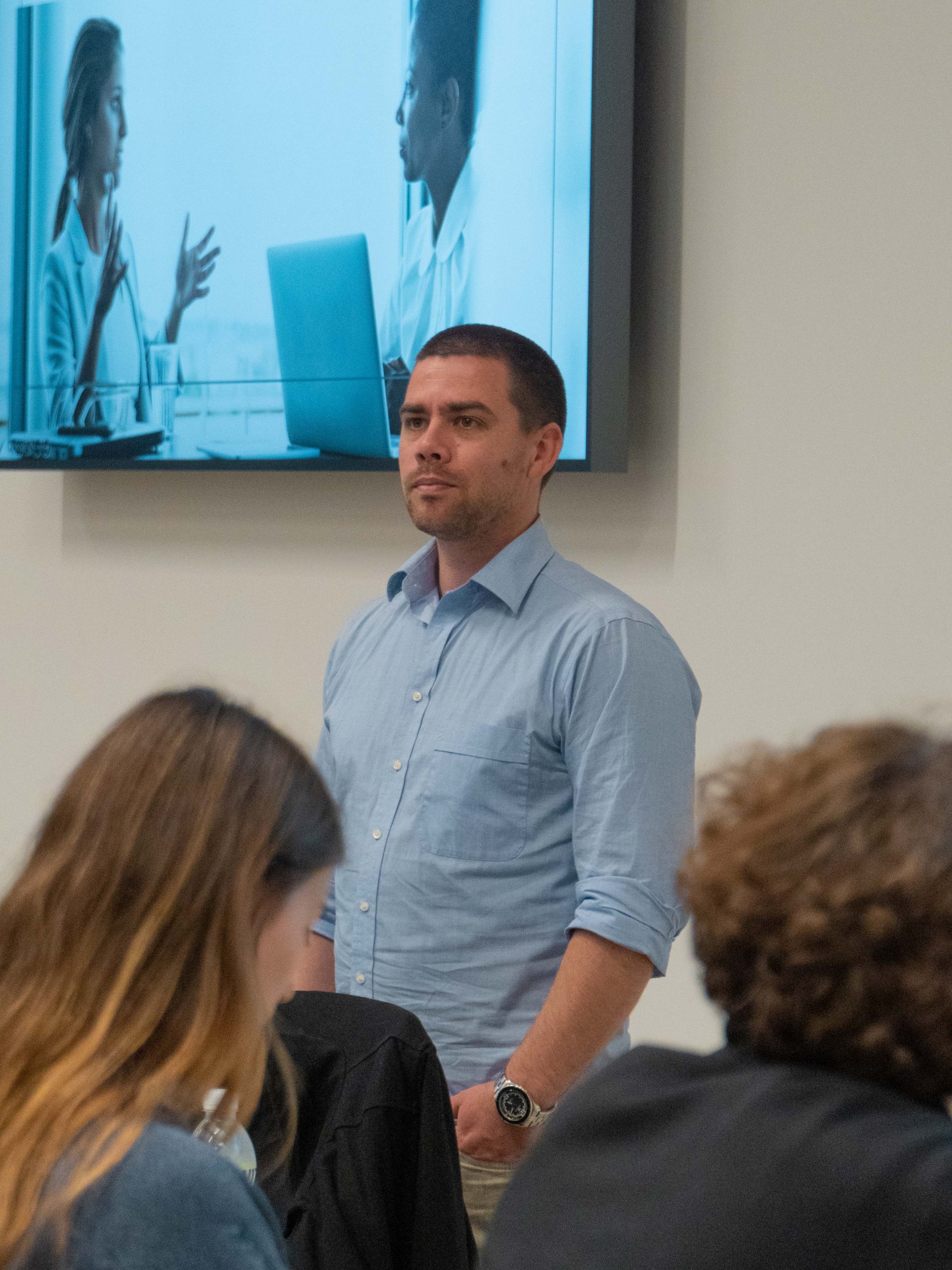
As part of their work with young people, organizations like YMCA Spain and GA Last Day regularly engage in conversations about online behaviour, digital safety, and mental well-being. As part of the Brussels event of Pulse-Z in early November, a discussion took place between representatives from both organisations who spoke with participants about how social media is used by minors, how families set limits, and how constant online exposure affects mental health and everyday communication.
The discussion was led by three youth workers, Maria and Anthony, representing YMCA Spain, and Fatima, representing GA Last Day. They spoke with participants about social media use, supervision of minors, and the effects of online life on mental health and family communication. In the text below, you will find the main highlights of their conversations throughout the day.
Supervision and setting limits
One of the first topics raised in the conversations was related to supervision. When asked whether they monitor the content minors consume online, the answer was clear and positive. The reason was not only safety, but balance.
“It’s healthy to keep track of what content minors consume and how much time they spend on their phones,” participants explained. “They can’t just do whatever they want.”
Supervision means less as control and more as guidance, aimed at preventing overuse and helping young people regulate their online habits.
The questions about supervision led naturally to the topic of age limits. When is the right time for a child to start using social media? One respondent pointed to early adolescence because children start to understand responsibility. They know better what they can and can’t do. Discussions showed that what mattered more was whether young people were ready to handle what social media brings with it.