Jakub (21) works as a coordinator at a city youth club called FACE CLUB. Although the town of Spišská Belá, where the club operates, has a population of less than 7,000, dozens of children and young people visit the place every day.

Do you remember your very beginning? How did you first get into Face Club?

I have been associated with the club for thirteen years. I started coming here as a child for various activities and creative workshops. I really liked how it worked here. My childhood dream was to become a volunteer and help in the club.

When I succeeded, I wanted to move on and become a coordinator – and today I have fulfilled that dream. I have been working as a coordinator for about two and a half years.

What can one imagine under the name FACE CLUB? What works here during a typical week?

We have regular operations five days a week, six hours a day. There is a time reserved for children and a time for young people. We prepare monthly programs and meet every Tuesday to plan together what awaits us in the coming month.

We organise various activities – for example, today we have a punching bag party, tomorrow a fairy tale evening where we will watch The Grinch. The young people here make a program for the young. In addition, we also engage in community events in the city.

What community activities do you have in mind?

For example, we organize the Festival of Non-Traditional Sports or the Apple Festival. We also help out at city events. We have film screenings and generally try to live together as a community within Spišská Belá.
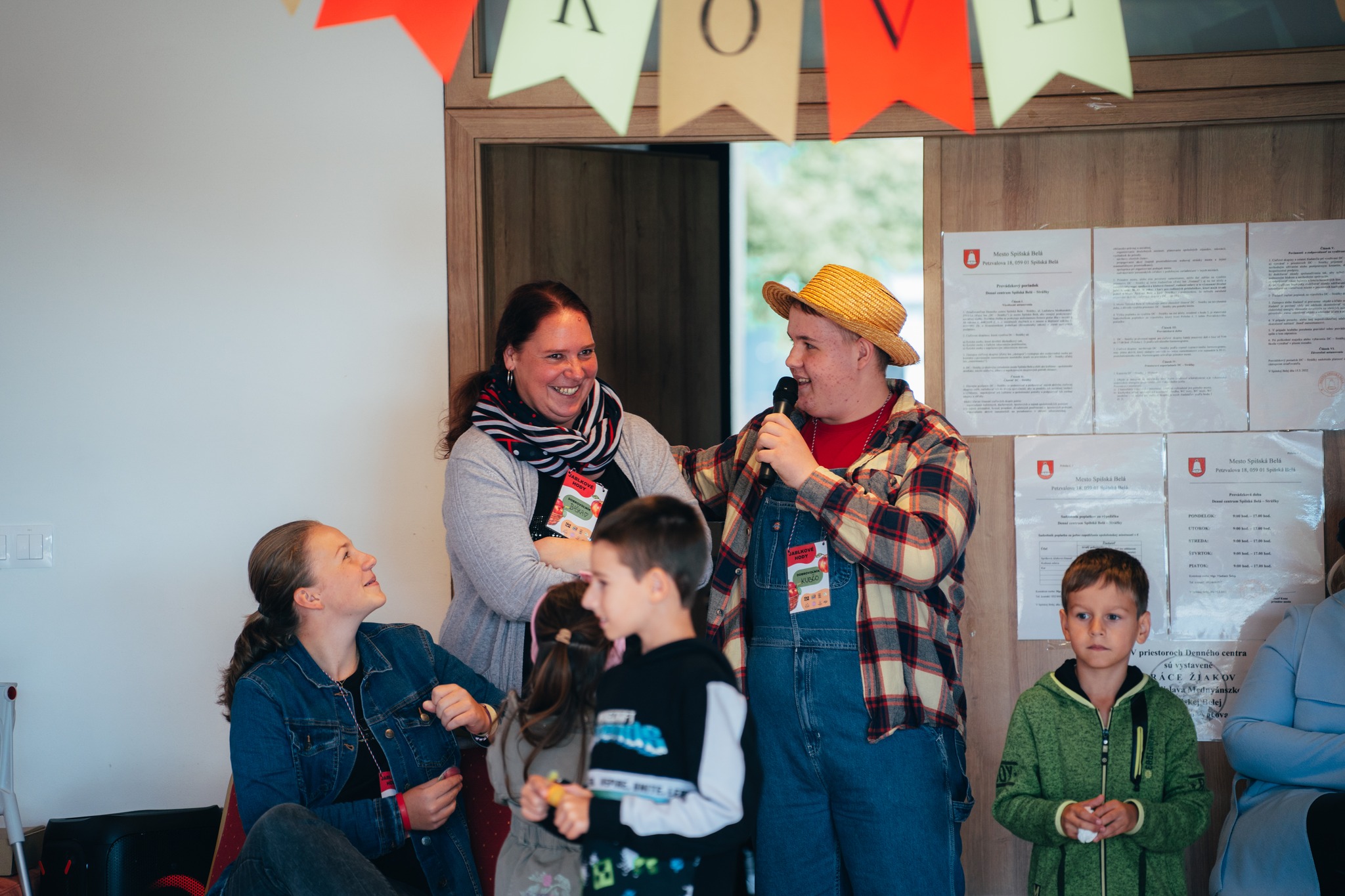
 

Jakub (in a hat) during the Apple Festival, photo source: Face club

Who can attend FACE CLUB?

We don’t have a strict age limit, but the upper limit is usually around 30. Sometimes older people come, but we don’t want it to be a space for parents.

Every day we have a so-called children’s time – from 3:00 PM to 6:00 PM. That’s when all children who can stand it without their parents can come, from about five years old. Then the space is taken away for older children.

How many people take turns at your place during a typical day?

It’s very individual. In the fall and winter we have a big influx of young people, and in the summer we have a lot more children, since we are also open in the mornings – from 9:00 to 13:00. In total, we get around 30 visitors a day, but there are days when there are as many as 50.

FACE CLUB relies heavily on volunteers. What does their work involve?

Volunteers serve the bar, make sure everything works, prepare events, and participate in various joint activities outside the club – weekends, training, or community life. They help with operations, cleaning, deciding on and organizing events, and sometimes even the most mundane tasks, like changing a light bulb.


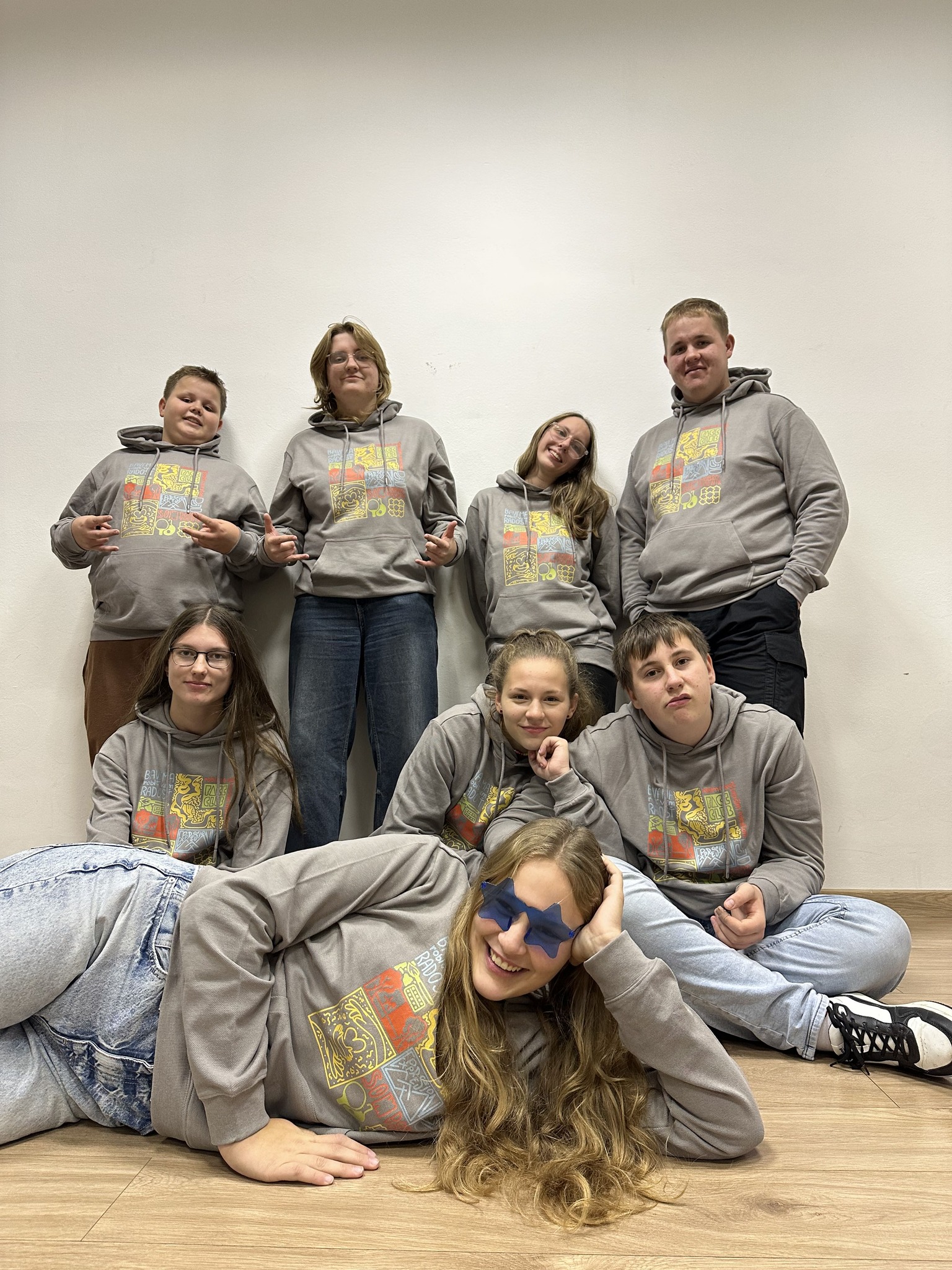
The work at the club relies mainly on volunteers, photo source: Face club

How many volunteers make up FACE CLUB today?

There are about 15 to 20 people permanently. In addition to them, we also have others who are involved occasionally – many are already at universities. There are more volunteers during the summer because they have holidays, and there are fewer during the colder months.

Do young people in the club also gain real work experience?

Certainly yes. They have opportunities here that they wouldn’t have anywhere else. They get to experience the entire process of organizing an event – ​​from A to Z, teamwork, and responsibility.

Sometimes someone comes to help us just once, which we also appreciate very much, but you can see a big difference. Volunteers who have been with us longer can handle any situation.

It is often said that young people have nowhere to spend their time, which also leads to vandalism. Do you think that there are fewer such phenomena in the city thanks to your club?

I see the positive impact of the club mainly on individuals. We also work with the Roma community and that’s where the changes are most visible. For example, children who don’t even know how to say hello or use the toilet come and after a short time they are able to integrate into the team, create a community and some are even able to get jobs here.
As for the city itself, of course there are negative things. There are young people who are rebellious, but it’s only a small group and I think it’s less than elsewhere.

What is it like for you personally – being the coordinator of FACE CLUB?

It’s quite demanding, especially mentally. I work with my head, not physically. There’s a lot of work and preparation behind every activity. The community sees the finished action, but they don’t see what’s behind it. We need to register, prepare the dishes, find sponsors so we can implement the activities. A whole team of volunteers is working on all of this.

How is FACE CLUB financed?

It depends on the specific year. Currently, we have funding from the Ministry of Education’s grant call, we also receive some from the city – mainly for overhead costs and repairs.

However, we also have projects supported by various foundations, thanks to which we can finance, for example, film screenings and other activities. Team training is also very important to us, for which we use European grants.

The concept of a youth club is not common in all Slovak cities. Do others come to you for inspiration?

Yes, we have been approached by various youth organizations and city governments who would like to create something similar. However, I would like even more people to know about us.

People often have different expectations when they come here, but when they arrive, they are often very surprised. The club looks completely different from what it looks like online – they are surprised by how nice it is here and what there is to do.

However, it must be said that it is the result of years of work by many people. In March we will celebrate 15 years since our founding.


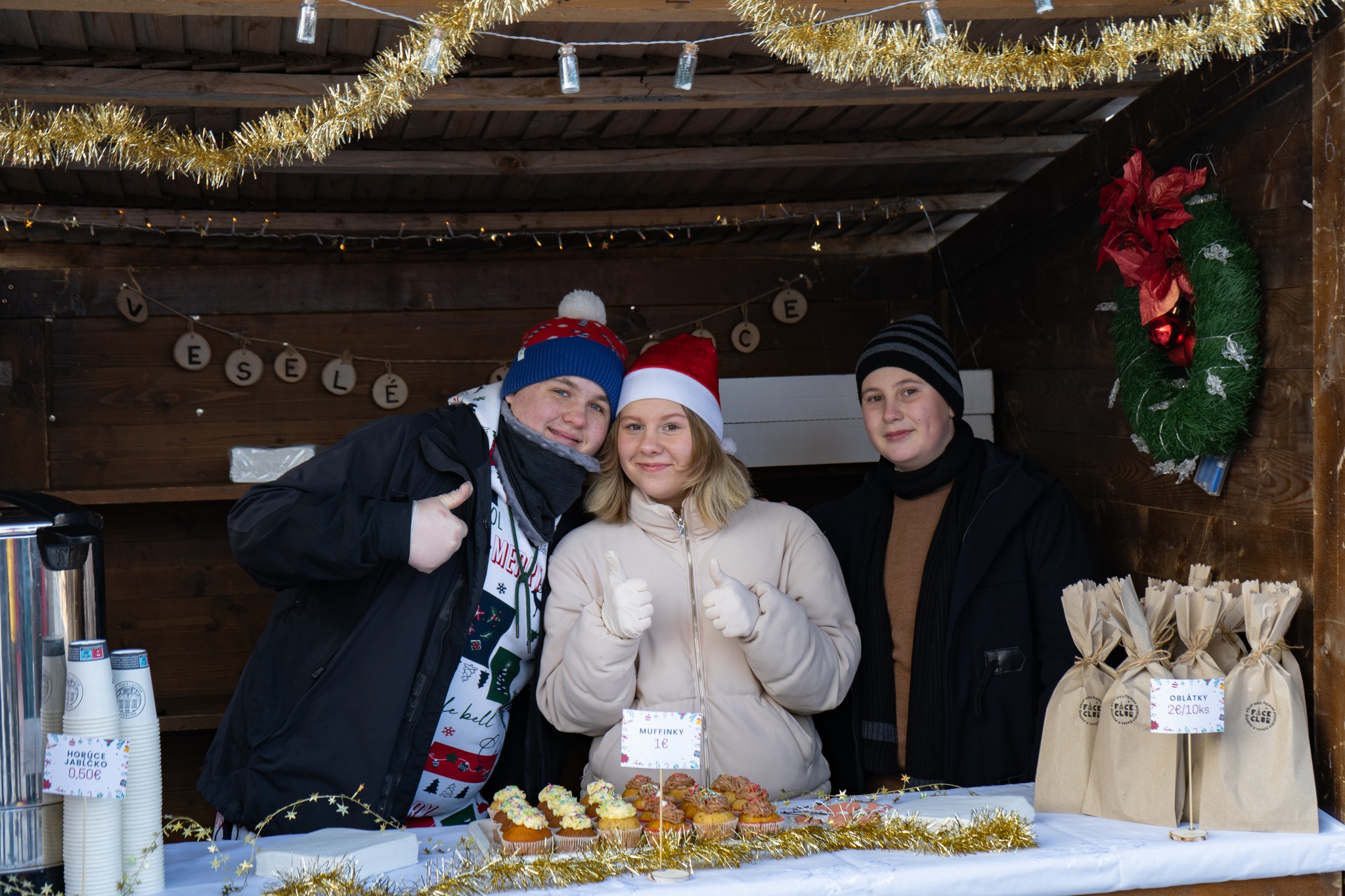
The club team during the Christmas event, photo source: Face club


When you compare FACE CLUB thirteen years ago, when you first came there, and today, how has the interest of young people changed?

We are still looking for ways to attract young people. However, I think that the demand is and will continue to be high. We are constantly changing the program according to the needs of young people. We know that today they enjoy, for example, virtual reality or PlayStation, and we try to adapt to that.

The most important thing for us is that they know that the club is a safe place for them. Of course, it is not a place for everyone. For example, someone enjoys going to a primary school and cannot find space for the club. And that is completely fine.

Do you have an event that is particularly close to your heart?

My favorite is the Festival of Non-Traditional Sports. It’s an outdoor event, so the weather is the most important thing. There are a lot of people there, last time we had up to 1,500 visitors.

People really enjoy it, the media is interested in it and the feedback is great. We had more than 70 different sports there. However, there is intensive preparation before that – we went around the city and the surrounding villages, handed out posters, approached schools and municipalities to share the event. Every year we move forward and that is a great motivation for me.

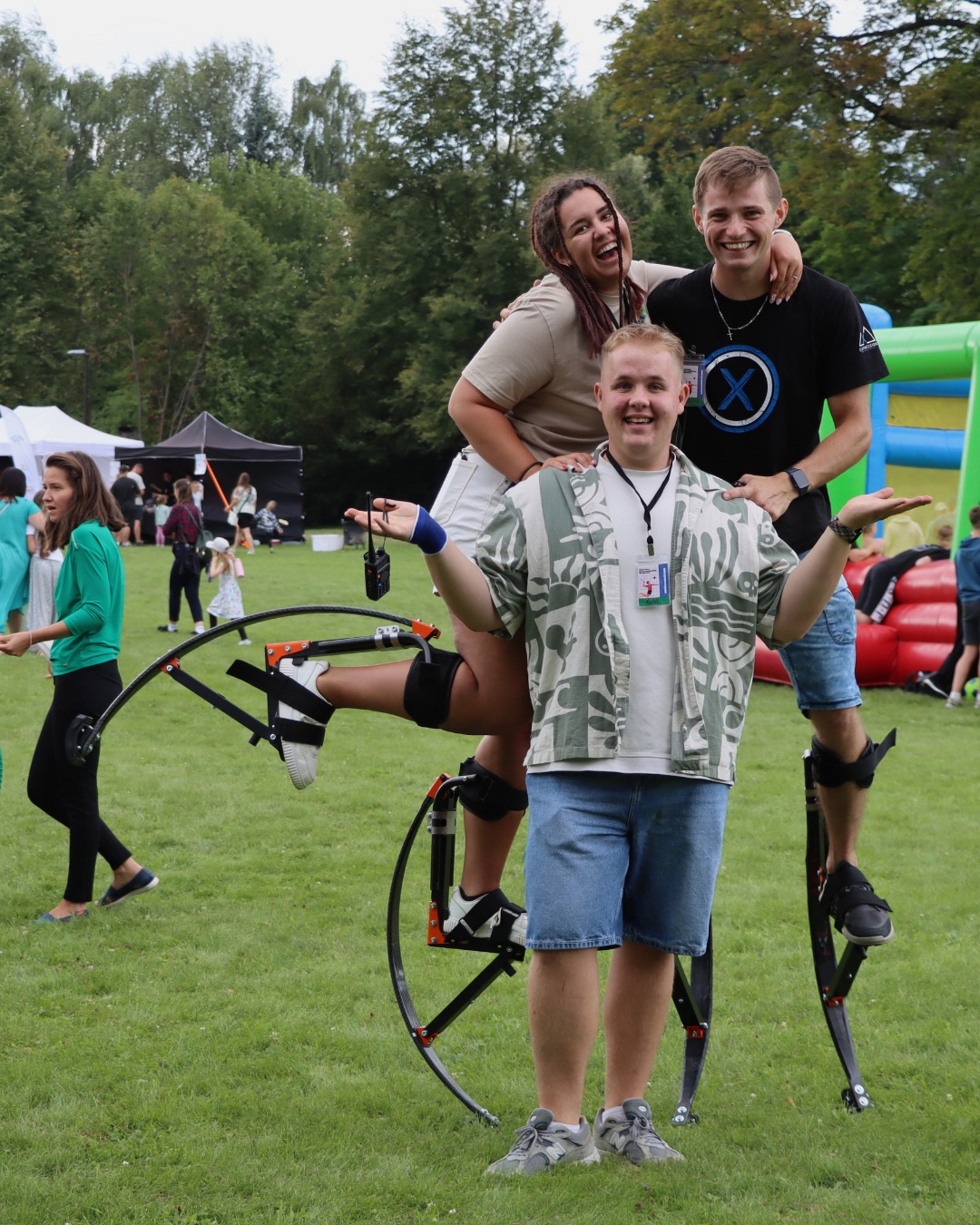
Jakub (center) at the Festival of Non-Traditional Sports, photo source: Face club

Jakub (center) at the Festival of Non-Traditional Sports, photo source: Face club

You say it’s exhausting. What does this job give you anyway?

Especially a good feeling. When I see that people enjoy it, it’s great. With each event, I also move forward and learn new things.

Do you think cities should purposefully create such spaces for young people?

I think it’s very important. My story is proof that it makes sense. When I was little, my parents were getting divorced and it was a difficult time for me. It was in FACE CLUB that I found a safe environment where I felt good and accepted.

This space shaped me, and today I can shape others and build a community. It does cost cities a few thousand euros a year, but I think it’s worth it. It also brings great benefits to the city.

Shape the conversation

Do you have anything to add to this story? Any ideas for interviews or angles we should explore? Let us know if you’d like to write a follow-up, a counterpoint, or share a similar story.