What if your job didn’t decide where you live?

What if your city, your lifestyle, and your community came first, and work followed?

For a rising number of people, these are no longer hypothetical questions. It’s daily life. The digital nomad movement is booming. By the end of 2025, there will be tens of millions of digital nomads globally, a dramatic increase from just a few years ago. Although precise EU-wide figures are not yet available, independent reports estimate that there are over 40 million digital nomads worldwide. And Europe seems to be an attractive spot for them. 

Part of Europe’s appeal lies in mobility and infrastructure. High-speed internet, reliable public services, and a rich cultural landscape make it easier and more enjoyable to live and work from various places in the EU. Lisbon, Barcelona, Prague, and the Canary Islands are just a few examples of European hotspots where remote workers are setting up desks, not just for holidays but also for making a living. 

The legal frameworks have evolved, too. Many European countries now offer digital nomad visas or remote-work permits, making it possible for non-EU remote workers to stay and contribute to local economies without typical long-term residency hurdles.

To understand how this shift is playing out in real life, we talked with three people at different stages of the nomadic journey. Their stories reveal not just how Europe attracts digital nomads, but how this movement is reshaping work, along with some tips on how you can start your own digital nomad journey. 
Why is Europe becoming a digital nomad magnet?

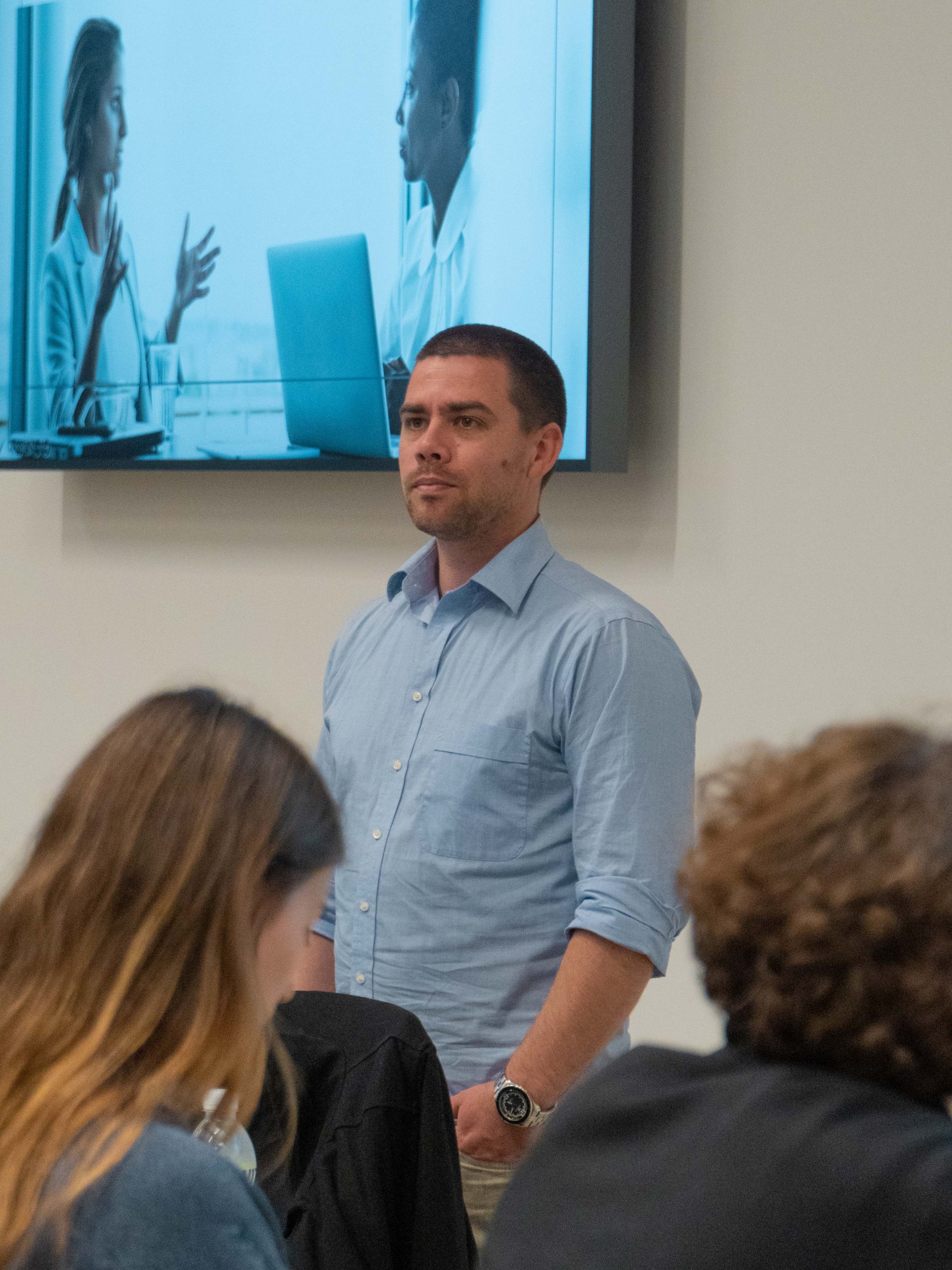
For many young digital nomads, Europe represents something fundamentally different from other popular remote-work destinations. For Damian Bukov, a young marketeer with dual EU and US citizenship, the contrast is clear.  

“As a digital nomad, the experience of being able to interact with different cultures is very important to me,” he explains. “Europe gives me access to a diversity of experiences and cultures that I can’t get in the US.”

Beyond cultural variety, it’s the social rhythm of Europe that confirms his choice. He points out that many European cultures place greater value on social life compared to the work-first mentality common in the United States. At the same time, Europe offers something that many affordable nomad hubs elsewhere cannot: reliable infrastructure.

“Most European countries are highly developed from an infrastructure standpoint,” he says, making them more attractive than some destinations in South America or Southeast Asia, even if those are cheaper. Freedom of movement within the EU plays a decisive role as well.

“It makes it much easier to traverse borders, having to put in much less effort. It also makes it easier to be spontaneous because I don’t have to worry about visas or immigration issues when traveling within the borders of the EU.” 

For newcomers from outside Europe, adaptation is part of the journey. He admits that some conveniences common in the US are less accessible. But for him, the trade-off is worth it. Once adjusted, the cultural depth and social richness of Europe outweigh the inconvenience.

The freelancer who built a career: from copywriter to mentor

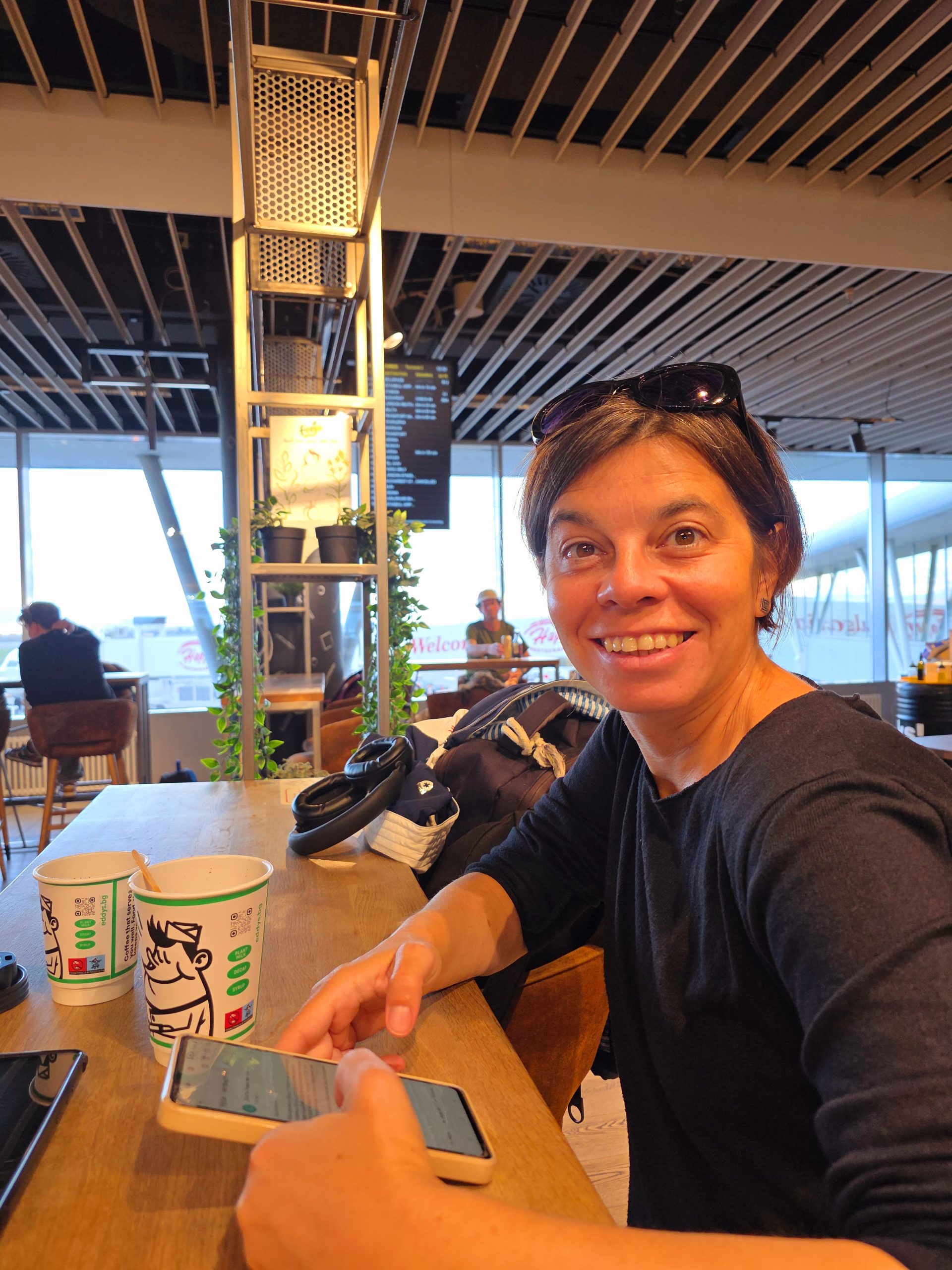
While some digital nomads are just starting, others represent a longer, more grounded evolution of the lifestyle. Ivanka Mogilska is one of them. With over 21 years of professional experience and 17 years as a freelancer, her journey as a digital nomad was not planned. In 2009, the creative studio where she worked went bankrupt almost overnight. With no stable job market for copywriters in Bulgaria at the time, freelancing became her only option.  

Iva Mogilska, personal archive.

“At the time, this was a relatively new and unconventional way to practise copywriting,” she recalls. Yet necessity turned into opportunity. Over time, she began combining work with travel and discovered she liked both the freedom and the responsibility it required. Freelancing pushed her to develop skills she would never have needed in an office. She learned to manage clients independently, structure her workflow, and adapt continuously. She also created Svobodna Praktika, a professional blog for freelancers, not only to attract clients but to improve the freelance working environment in Bulgaria.

“I like the person I have become thanks to the fact that I work as a freelancer,” she says.

As her confidence grew, she began collaborating with advertising agencies, SEO companies, and web developers. Often as a subcontractor. She turned down multiple offers for permanent office positions, realising something crucial: security is an illusion. What matters is adaptability. She chose not to scale into an agency. “I am a one-woman show,” she explains. “I love what I do, and I have no desire to replace it with managing other people.”

When it comes to advice for young freelancers, her message is pragmatic: 

“You need to learn how to lead your clients. Not simply to negotiate with them, not to give them whatever they ask for, but to learn how to ensure the smoothest possible workflow and to earn the client’s trust from the very first conversation or email. This can be done relatively easily if уоу follow three basic rules:

1) Genuinely want to do the job well. This is always evident in the questions a freelancer asks, the suggestions they make, and how promptly they respond.

2) Make sure the client always understands what is happening at every step of the work process and why. This eliminates almost 90% of the critical situations that might arise.

3) Set clear boundaries in their communication with the client.”

For beginners with no portfolio, she suggests starting with self-initiated projects or trial tasks (clearly labelled as such) to build credibility. When it comes to lifestyle expectations, she offers a crucial warning: digital nomadism is not a holiday.

“Beginner digital nomads often travel as if they are on vacation – but they aren’t,” she explains. Treating relocation like tourism leads to overload, dissatisfaction, and burnout. Slow down, accept missing out, and recognise that working from another country is still working. Once this mindset shifts, travel becomes calmer, more sustainable, and more fulfilling.

The true digital nomad: life and values

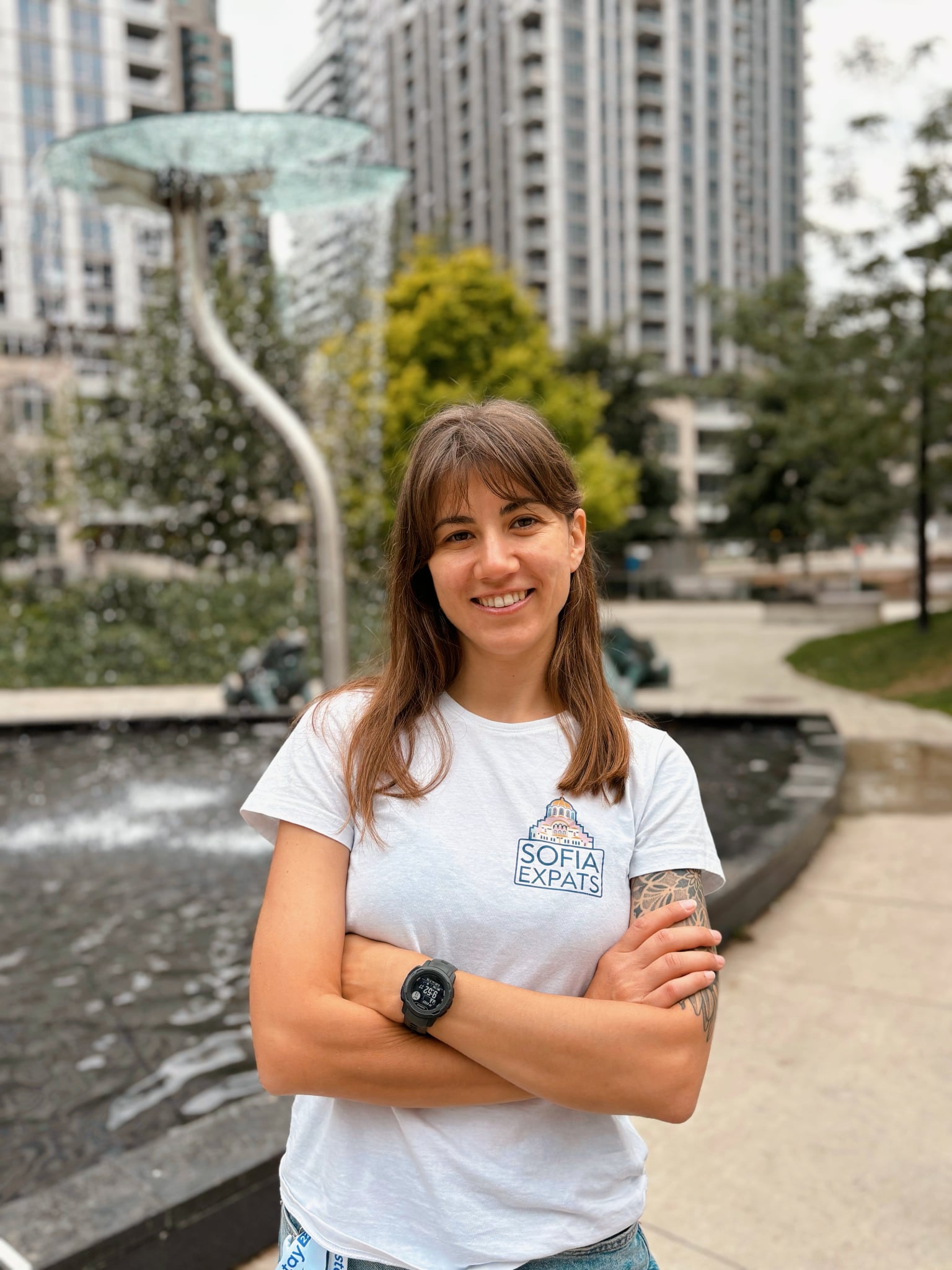
For Maria Stoyanova, being a digital nomad is not a phase. It is a long-term way of life. She is a content and marketing specialist working remotely for almost a decade. She has spent recent years traveling continuously while building her career.  

Maria Stoyanova, personal archive

“This lifestyle is not as easy as it looks on Instagram,” she says. Staying professional while constantly changing locations requires responsibility, planning, and self-control. Freedom exists, but it comes with trade-offs. Maria believes the lifestyle resonates strongly with young people because it aligns with their deepest values.

“I believe young people crave freedom – freedom of choice, location, career, and time. From my point of view, I can’t think of a worse way to maintain productivity, high performance, and creativity than being “stuck” between office walls and traffic all day, every day. Great things happen when you align your skills, desires, motivation, and interests and piece them all together. For young people, this lifestyle represents freedom.”

Community, however, does not happen automatically. Constant movement can easily lead to isolation. That’s why digital nomads must be intentional about building connections. This can happen through coworking spaces, coliving, meetups, local gyms, or online groups and platforms such as Sofia Expats, the one Maria co-founded. 

Can this be the future for you?

Being a digital nomad in Europe doesn’t seem like a niche lifestyle anymore. It’s a realistic option for anyone willing to rethink how and where they work. Europe’s mix of open borders, good infrastructure, cultural diversity, and legal stability makes it uniquely attractive for remote workers from all over the world. For the young people of Europe, the message is simple: you don’t have to choose between stability and freedom. You can have both if you manage to build your life and career in the right way. The European digital-nomad lifestyle isn’t reserved for a selected few – it’s open to anyone ready to take the first step. 

Start small – pick up a side-hustle that you can do online and remotely, and see if you can make this your career. 

Written by

Shape the conversation

Do you have anything to add to this story? Any ideas for interviews or angles we should explore? Let us know if you’d like to write a follow-up, a counterpoint, or share a similar story.