



The streets transform into festive areas during Pride Month as rainbow flags spread throughout the world while queer people proudly take control of public spaces. The unity between them creates a complex problem which remains unaddressed: The pioneers of the movement who were trans people receive no recognition for their contributions. The visibility of people extends beyond their physical presence because they also shape historical narratives and political systems and everyday social practices.
History is well documented: in June 1969, the historic uprising at the Stonewall Inn in New York saw among its key figures marginalized trans women and drag queens. The queer movement recognizes Marsha P. Johnson and Sylvia Rivera as leading figures who played essential roles in building the movement while leading its activism.
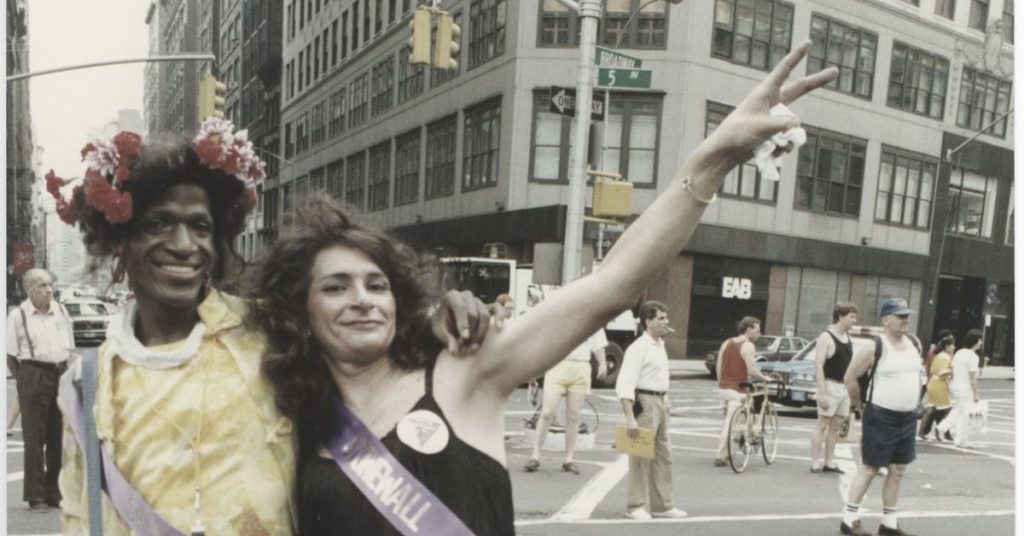
Marsha P. Johnson (left) and Sylvia Rivera (right) were considered pivotal Mothers of the queer rights movement. Source of the image: Unerased https://unerasedbws.com/the-trans-foundation-of-queer-freedom/?
During the next decades these figures started to be catalogued in ways that turned them into symbolic icons for quotation but removed them from the core stories and actions of the movement. Multiple studies have defined this phenomenon as “erasure” which means the process of removing trans histories from existence or making them invisible.
The issue extends beyond historical recognition because it creates fundamental changes to the Queer movement structure. The political power of the collective fight diminishes when trans visibility focuses on appearance and social acceptance rather than addressing fundamental issues like workplace discrimination and healthcare access, transphobic violence and legal identity. A fundamental aspect is that of memory. The research “Constellating Trans Activist Histories” demonstrates how focusing on well-known events like Stonewall creates a blind spot for important but overlooked trans activist histories. The acceptance of transgender individuals within queer movements has faced various challenges about their inclusion.
No less important is the theme of artistic and media representation. When trans people are represented in comics, films, visual media, they are often portrayed as “objects” of curiosity or tragedy, not as complex subjects and agents of their own history. The fashion industry has historically made lesbian and queer fashion invisible according to Vogue; at the same time trans identity receives treatment as either a stereotype or an accessory. The method of “controlled” visibility produces two effects which alter how society views things and how activists operate: if visibility becomes aesthetic and not political, the risk is that trans presence gets incorporated into the narrative without transforming the structure.
How, then, can we proceed to build a queer movement that does not forget trans people? First of all, abandoning the logic of “tokenism”: it is not enough to say “we are including too” if concrete policies, resources, leadership, and meaningful visibility are not provided. A revolution of pride means recognizing that “inclusion” is not a reward but a duty. The process requires providing trans people with decision-making authority while focusing on their particular needs through concrete actions and symbolic representation and rewriting historical accounts to show trans leadership from the beginning. The movement seeks truthful media content which should present trans people as autonomous individuals instead of superficial decorative elements.