
A new law on media freedom came into force across the European Union on August 8, 2025. Why do we need such a law when media freedom is a given in democratic countries, and what impact will it have on the media and journalists?

Over the past decade, the media in Europe has faced a number of threats. From political pressure and the concentration of media in the hands of a few owners to the rise of disinformation on social media. The Media Freedom Index, compiled annually by Reporters Without Borders (RSF), shows that while Europe still maintains the highest standards globally, the situation has worsened in several member states. For example, Slovakia has fallen nine places in the media freedom ranking compared to last year, Croatia by 12, Romania by six and Hungary by one.

The top five places in the ranking, which includes 180 countries, are dominated by Norway, Estonia, the Netherlands, Sweden and Finland. In contrast, the bottom five places this year were occupied by Iran, Syria, China, North Korea and Eritrea. In late October, the organization also published a list of 34 predators of media freedom. “These predators are divided into five categories that are directly derived from the indicators of the Index: political, security, economic, legal and social,” RSF said.

Names such as Vladimir Putin (Russia), Haibatullah Akhundzada (Afghanistan), Alexander Lukashenko (Belarus) and the Chinese Communist Party (China) made it to the list. From EU member states, Viktor Orbán (Hungary), Vincent Bolloré (France) and Robert Fico (Slovakia) appeared on the list. The reasons why the organization included Robert Fico in the ranking include more than 500 attacks on journalists, mostly supported by his party Smer-SSD, and the election to the Media Services Council of an activist who publicly called journalists “soldiers” and “deviants”.

The Government Office of the Slovak Republic also took issue with the claims, strongly rejecting the “pseudo-ranking”. “Such an assessment is all the more absurd given that the same organization remained silent for a long time during attacks by state officials on free media in 2020-2023 and did not respond to specific cases of intimidation or discrediting of journalists with a different opinion,” the government office said on social media.
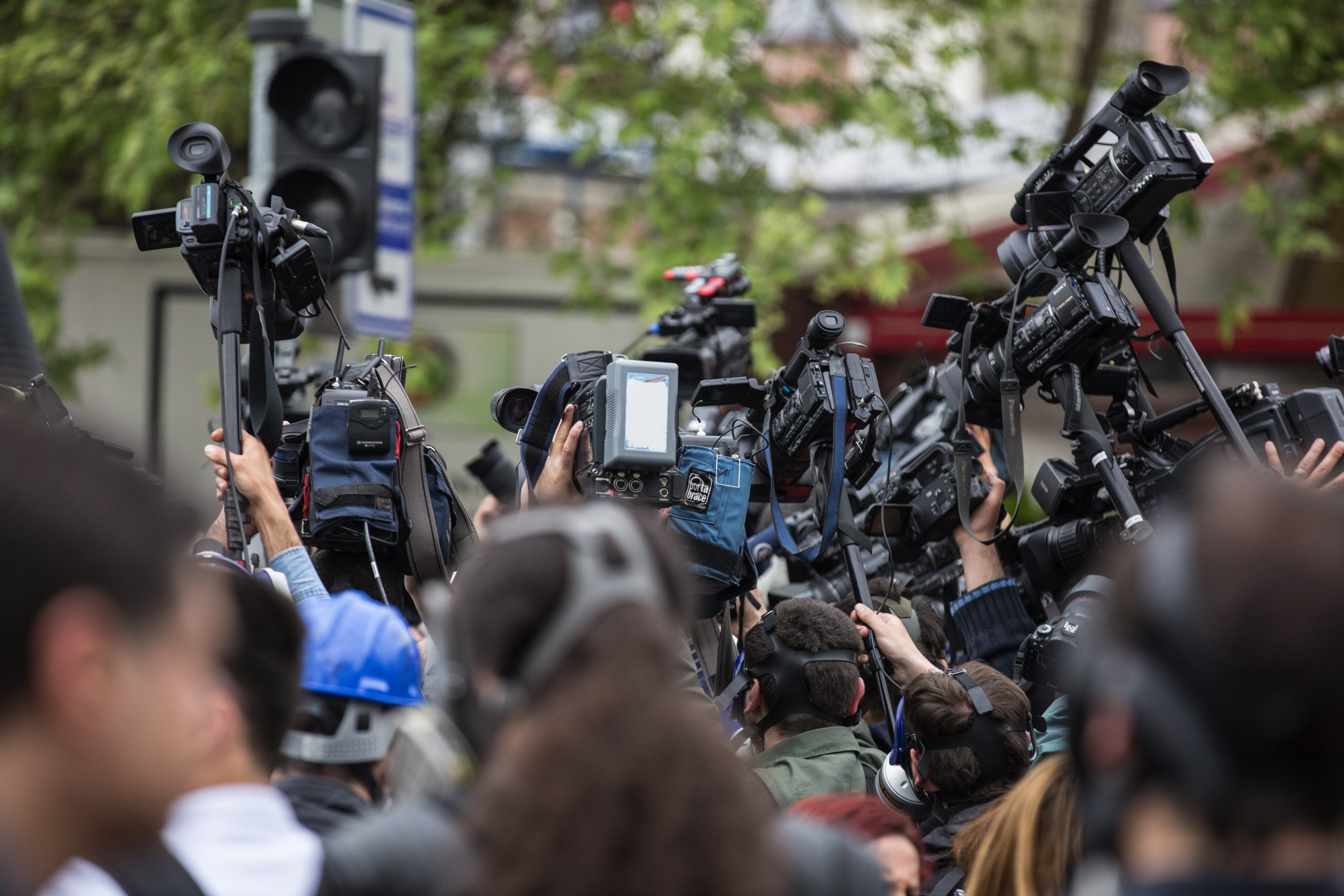
The new law is intended to prevent political interference and enhance transparency.

The European Parliament (EP) has responded to the current situation by approving the European Media Freedom Act (EMFA), which aims to prevent political interference in the media, strengthen transparency and protect journalists from undue surveillance. The new rules have been in force in EU Member States since 8 August. “ Now the real work begins: ensuring that every Member State fully and consistently implements the EMFA. Media freedom is not negotiable – it is the backbone of our democracy,” said Sabine Veheyen , rapporteur and chair of the EMFA monitoring group.

What will EMFA bring?

  1. Protection of the work of a journalist

EMFA prohibits forcing journalists to reveal their sources and also prohibits the installation of surveillance software on devices. However, Parliament added exceptions where the software can be used, but only with court permission.

  1. Protecting the editorial independence of public service media

According to the new law, executives and board members are to be selected transparently and non-discriminatory for a sufficiently long term of office. At the same time, public service media will have to be financed through transparent and objective procedures, and the financing should be sustainable and predictable.

  1. Transparency of media ownership

Media outlets will have to clearly state who owns them, so that readers know whose interests the media may represent.

  1. Fair distribution of state advertising

The media will also be obliged to report on funding received from state advertising or state financial support, including from countries outside the EU. Public funds must be distributed according to public, proportional and non-discriminatory criteria.

  1. Protecting media freedom in the EU from big platforms

The new law is intended to protect independent media from arbitrary restrictions or deletions of content on social platforms such as Facebook, Instagram and X (formerly Twitter). Social networks will be obliged to consult with the media outlets affected by restrictions or removals of content, and the media outlets will have 24 hours to respond.

“Journalists now have an ally, a set of tools that protect them, strengthen their independence and help them face the challenges, interference and pressure they often face in their work. This regulation is a response to Orbán, Fico, Janša, Putin and those who want to turn the media into their own propaganda tools or spread fake news and destabilize our democracies. No journalist should ever fear any kind of pressure when doing their job and informing citizens,” explained the then rapporteur of the Civil Liberties Committee , Ramona Strugariu .

Shape the conversation

Do you have anything to add to this story? Any ideas for interviews or angles we should explore? Let us know if you’d like to write a follow-up, a counterpoint, or share a similar story.