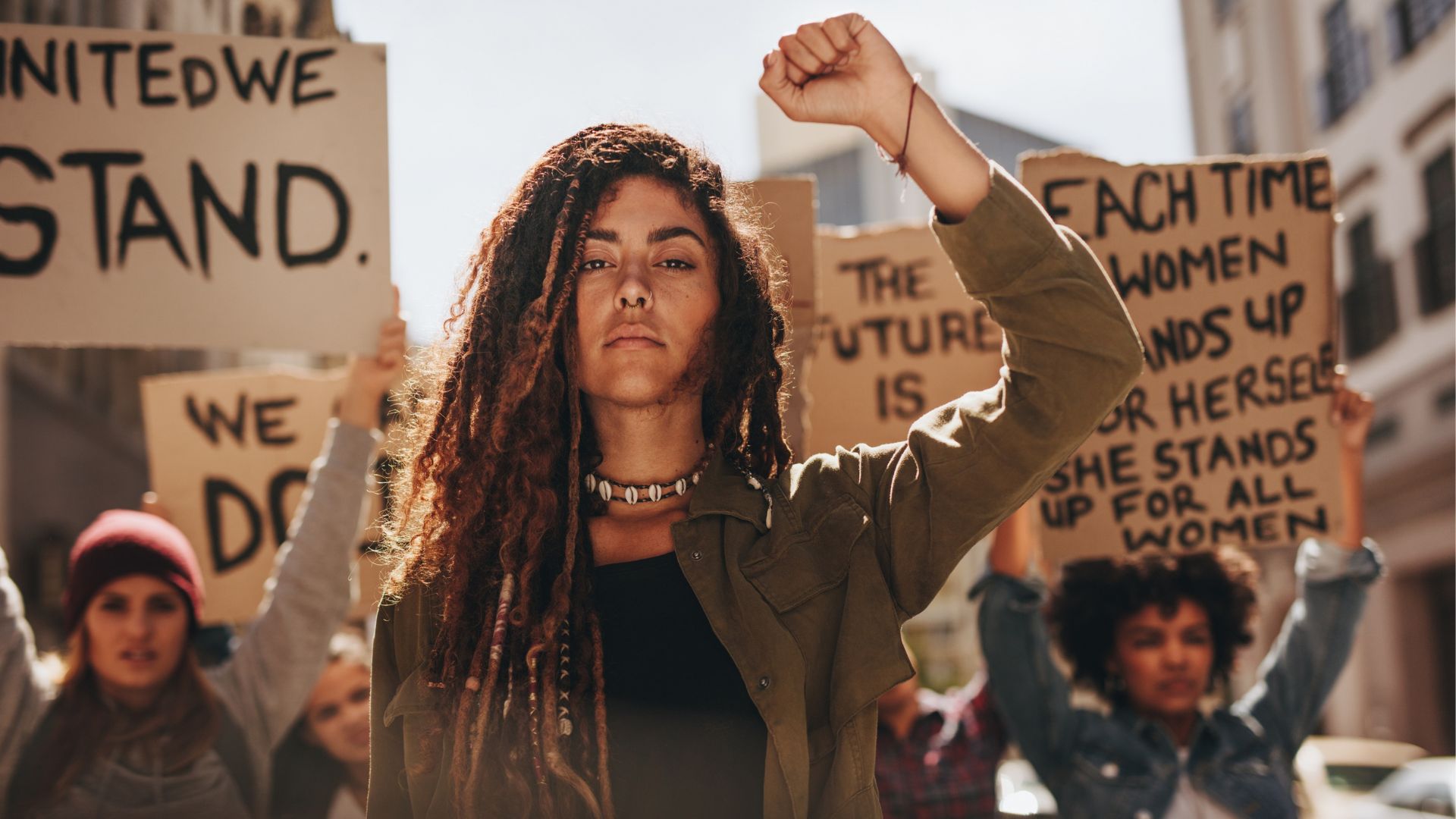
A New “Spring of Nations”: Generation Z Takes to the Streets

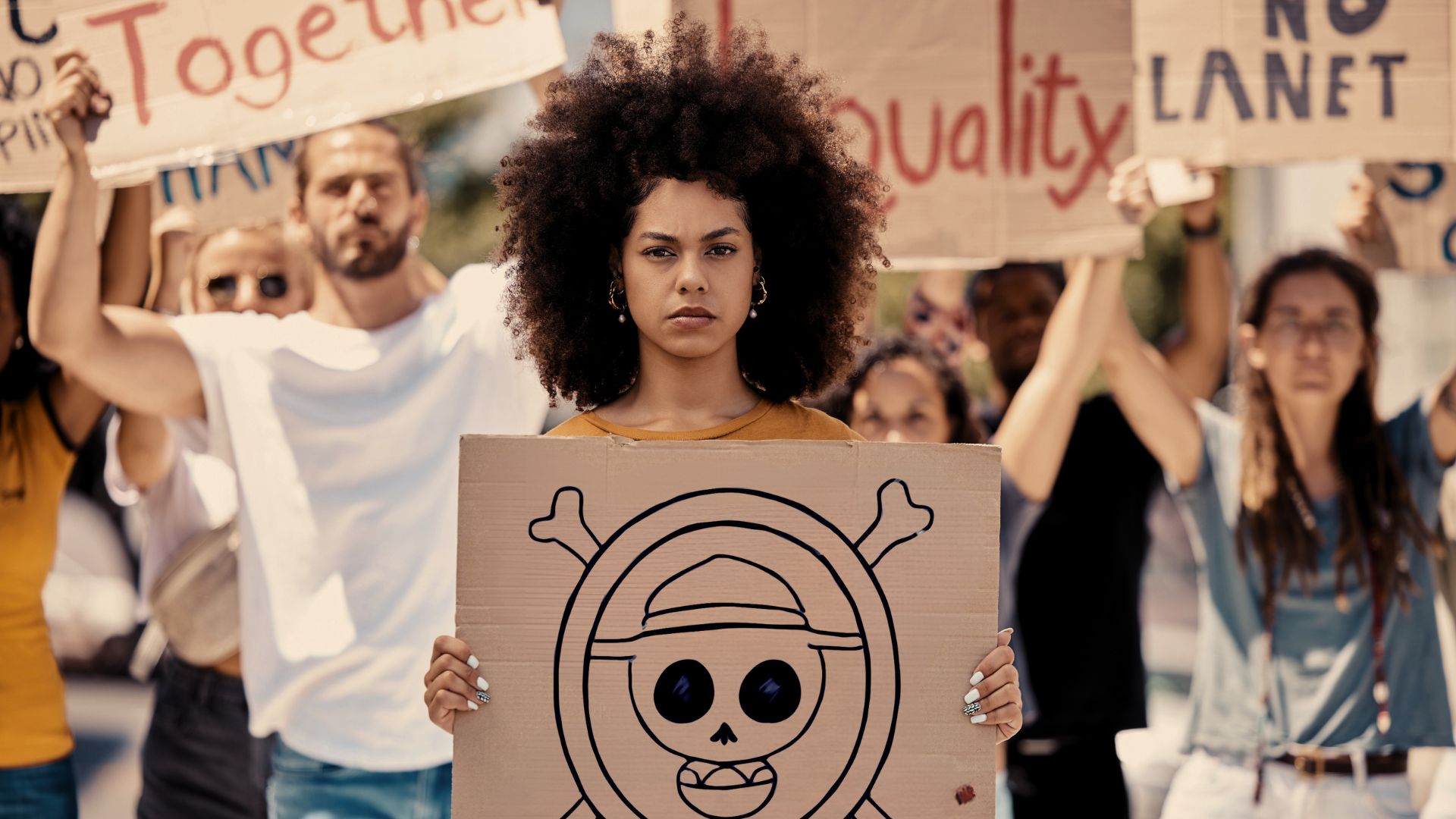
On May 13 Square in Antananarivo, in the heart of Madagascar, thousands of young people sang, danced, and waved flags featuring a skull and crossbones—the symbol from the iconic Japanese anime One Piece. For them, it was more than a pop culture icon. It had become a sign of rebellion—a protest against stagnation and a corrupt system.

When Colonel Michael Randrianirina announced on state radio, “We have seized power,” the crowd cheered. Just hours earlier, the military had sided with the Generation Z protesters—young, frustrated citizens in a country where power and water outages are a daily reality, and 400,000 people enter a job market that cannot absorb them each year.

Madagascar became an unexpected epicenter of a new wave of social unrest, unified by a common factor: people born after 1995. Their language is no longer party manifestos but memes, music, animation, and internet symbols.

Generation Z, once described by sociologists as “tired of the adult world,” is now emerging as a political force—perhaps the first global generation capable of sparking something akin to a new “Spring of Nations.”
[fot. Canva, edit: Zofia Grosse]

[fot. Canva]

Madagascar: Rebellion That Turned Political

The protests began on September 25, fueled by anger over irregular water and electricity supplies. Over time, they morphed into a wave of opposition against President Andry Rajoelina and his ruling elite. At least 22 people died, and more than a hundred were injured.

When parliament voted for impeachment and the president fled the country on a French military plane, it seemed history had come full circle—young people were once again at the center of a coup.

In an interview with France24, Dr. Luke Freeman, a Madagascar specialist from University College London, noted that a movement that began as social “has become very political.”

“Madagascar’s youth did not want the soldiers to take power. They wanted to take over the political system themselves, not watch old politicians and military officers hold everything in their hands again,” the expert emphasized.

Freeman added that each year, 400,000 young Malagasy enter a job market that “has no place for them.” In his view, Generation Z in the country “must fight for a seat at the table”—or risk being marginalized, allowing the revolution they started to be co-opted by the old order.

On May 13 Square, the pirate flag from One Piece became a symbol of this struggle. For a generation raised online—between Japanese anime, TikTok, and Antananarivo hip-hop—it became a metaphor for freedom, but also for loyalty to their own principles.

“We don’t want new rulers—we want to be free,” read one banner.

Russia: Songs Instead of Manifestos

Over 8,000 kilometers away, in Saint Petersburg, young Russians sing banned songs—not at concerts, but publicly, in defiance of authorities.

Videos circulating online show groups of students and high schoolers in Kazan Square chanting the lyrics of Co-operative Swan Lake by Ukrainian rapper Noize MC:

“When the tsar dies, we’ll dance again.
The old man still clings to the throne, afraid to let go.
The old man in the bunker still thinks it’s 1985.”

It is a poetic, open critique of Putin—in a country where public dissent can land you in jail. Though the song was banned by a court in May, young Russians have made it an anthem for their generation.

Among them was 18-year-old singer Diana Loginova, arrested after leading the chant. Her mother told the media that her daughter “is not political”—she simply wanted to sing a song known to her entire generation.

This is the paradox of modern Russia: youth do not need parties or leaders to express dissent. Pop culture has become a language of resistance—a new form of freedom under censorship.

“I want to watch ballet—let the swans dance!” chanted the crowd.

The reference to Swan Lake, broadcast in the USSR during the deaths of leaders, left no doubt: this is a coded end of an era.

[fot. Canva]

[fot. Canva]

Georgia: An Echo of European Dreams

In Tbilisi, the capital of Georgia, university campuses have been the scene of protests for months against the “foreign agents” law, which young people believe will stifle civil society and push the country away from Europe.

Banners appear in English and Georgian, and students dominate the crowds. Their style of protest is typical of Generation Z: music, phone lights, dancing, and ironic memes about power.

Compared to the wave of protests in 2003, today’s youth more consciously link identity, human rights, and freedom of speech with European politics. They are no longer fighting merely for a change of government but for a model of life.

From the PRL to Taiwan: History Repeats the Rhythm of Youth

These movements would not exist without a long history of youth rebellions. In 1968, students at Polish universities sparked resistance to communist rule, and in the 1980s, young workers and students joined the ranks of “Solidarity.” In 1989, student information offices and independent publications formed the infrastructure of the new state.

Similar phenomena occurred in Asia—in Taiwan, the 2014 “Sunflower” student movements fought for democratization and freedom of speech. Universities—from Taipei to Gdańsk—have always been laboratories for political change.

In this sense, Antananarivo, Saint Petersburg, and Tbilisi continue a long history in which young people around the world are the language of the future—not necessarily predictable, but always inevitable.

New Tools of Revolution

What sets Generation Z apart is their method of dissent. Their protests are physical and digital, ideological and aesthetic.

In Madagascar—a pirate flag from anime. In Russia—a rapper’s song. In Georgia—memes and a forest of smartphone lights in the squares. There is no single leader or party. There is a shared emotion: fatigue with authoritarianism and corruption.

“Generation Z does not want to be replaced by old soldiers and politicians. They want their voice to actually matter,” notes Freeman. “But this emotion is also risky. They’ve started something that could be taken from them. If they don’t find a way to maintain influence, their revolution could become someone else’s project,” he warns.

Is This the Beginning of a New “Spring of Nations”?

Everything points in that direction—though in a new, postmodern form. In 1848, young intellectuals in Vienna, Paris, and Berlin demanded freedom and equality. In 2025, young people in Antananarivo, Saint Petersburg, and Tbilisi demand access to electricity, the internet, and truth.

Instead of manifestos, they write posts. Instead of speeches, they record songs. But at its core, it’s the same goal: reclaiming agency in a world that won’t listen.

Generation Z enters history as previous generations did—not through politicians, but through streets, music, and symbols. Their flag is an anime skull, their anthem is a banned song, their stage is a phone screen. And the message remains the same: a demand for the future.

“Politics is pragmatism, not principles,” says Freeman, commenting on the fate of Madagascar’s ousted president. “But young people remind the world that without principles, there is no politics—only power.”

Perhaps that is why this new digital spring is not born in parliaments but in squares, to the rhythm of music, laughter, and anger.

Written by

Shape the conversation

Do you have anything to add to this story? Any ideas for interviews or angles we should explore? Let us know if you’d like to write a follow-up, a counterpoint, or share a similar story.